Foundations of Physical Therapy
Introduction to Physical Therapy
The World of Physical Therapy
Physical therapy, often called PT, is a healthcare profession focused on helping people move better and feel better. It's all about restoring and improving mobility, function, and quality of life. Whether someone is recovering from surgery, managing a chronic condition, or healing from an injury, a physical therapist can guide them on the path to recovery.
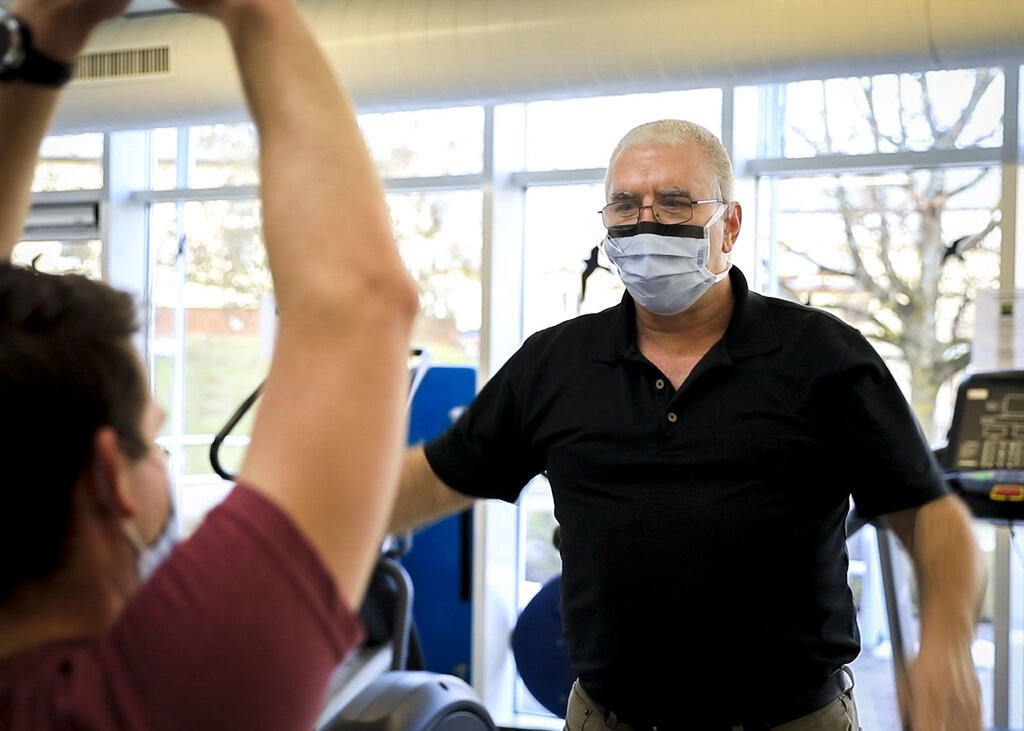
The core of physical therapy is movement. Therapists are experts in how the body works and moves. They use this knowledge to help people overcome physical challenges caused by illness, injury, or disability. The goal isn't just to treat pain, but to find its source and empower patients with the tools to manage their own health.
A Brief History
The ideas behind physical therapy are ancient. Physicians in Greece, like Hippocrates, advocated for massage and manual therapy techniques. However, the profession as we know it today began to take shape in the late 19th and early 20th centuries.
Two major global events spurred its growth: the polio epidemics and World War I. Polio left thousands, mostly children, with muscle weakness and paralysis, creating a demand for therapies to help them regain function. During the war, injured soldiers needed rehabilitation to recover from wounds and amputations. In the United States, these needs led to the creation of "reconstruction aides," who were the forerunners of modern physical therapists.
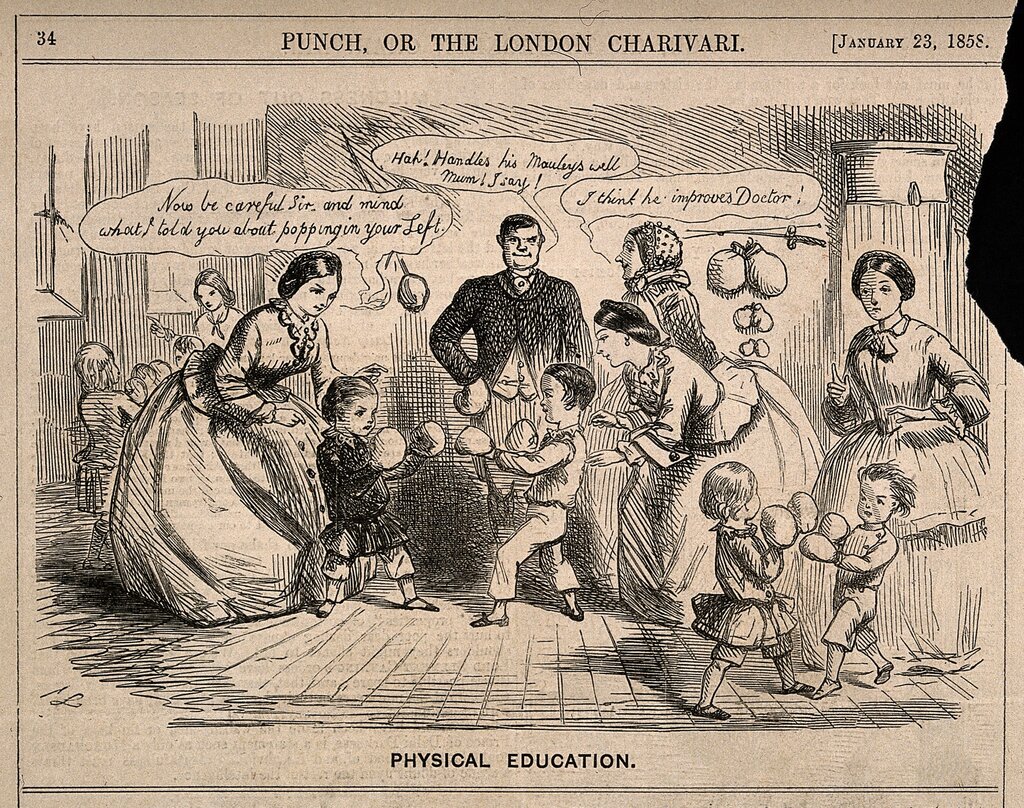
In 1921, the American Women's Physical Therapeutic Association was formed, which later became the American Physical Therapy Association (APTA). Over the decades, the field has evolved from a technical specialty into a doctoral-level profession grounded in scientific research.
Roles and Responsibilities
What does a physical therapist actually do? Their work is a blend of diagnosis, treatment, and education.
An in-home physical therapy session will usually begin with a comprehensive assessment and evaluation of the individual’s medical history, musculoskeletal function and level of physical activity, according to Lalitha McSorely, lead physiotherapist and owner of Brentwood Physiotherapy in Calgary.
Key responsibilities include:
- Examination: They perform a detailed assessment of a patient's movement, strength, flexibility, and pain levels.
- Diagnosis: Based on the examination, they identify the root cause of the patient's functional limitations. This is called a physical therapy diagnosis.
- Plan of Care: They develop a personalized treatment plan with specific goals, such as walking a certain distance or returning to a sport.
- Intervention: They use a variety of techniques, including therapeutic exercises, manual therapy, and patient education, to achieve these goals.
- Education: A huge part of the job is teaching patients about their condition, how to prevent future injuries, and how to perform exercises correctly on their own.
Settings and Populations
Physical therapists work in a wide range of environments, meeting patients where they are. Common settings include:
- Outpatient clinics
- Hospitals
- Rehabilitation centers
- Sports and fitness facilities
- Schools
- Nursing homes
- Home health care
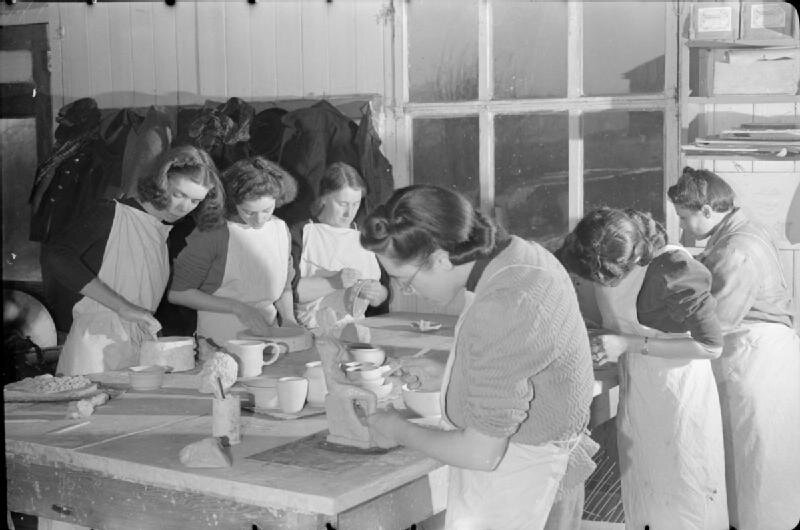
They also treat a diverse array of people, from newborns to the elderly. A PT might help a baby with developmental delays learn to roll over, an athlete recover from a torn ACL, an office worker manage back pain, or an older adult improve balance to prevent falls. The patient population is as varied as the human experience itself.
Guiding Principles
The practice of physical therapy is guided by a strong ethical and legal framework. Therapists must adhere to a code of ethics that prioritizes the patient's well-being, dignity, and rights. This includes maintaining patient confidentiality, providing competent care, and avoiding conflicts of interest. Legal regulations, which vary by location, govern their scope of practice and ensure they meet standards for licensure and continuing education.
Central to modern physical therapy is the concept of evidence-based practice.
This means that treatment decisions aren't based on tradition or guesswork. Instead, they are based on a combination of the best available scientific research, the therapist's clinical expertise, and the patient's own values and goals. This approach ensures that patients receive the most effective and safest care possible.
Health professionals are expected to follow principles of the “Clinical Framework for the Delivery of Health Services”, including measuring and demonstrating the effect of treatment, utilising a biopsychosocial response, empowering patients, goal setting regarding function, participation and return-to-work, and evidence-based practice (TAC, n.d.-c; TAC, n.d.-e).
This commitment to ethical conduct and evidence-based care is what makes physical therapy a trusted and essential part of the healthcare landscape.
What is the primary focus of physical therapy?
Which two major global events significantly spurred the growth of the modern physical therapy profession?