Foundations of Philosophy
Introduction to Philosophy
What is Philosophy?
The word “philosophy” comes from two Greek words: philo (love) and sophia (wisdom). At its core, philosophy is the love of wisdom. It’s the practice of thinking hard about the big questions in life. What is real? How do we know things? What makes an action right or wrong? These aren’t questions with easy answers, and philosophy doesn’t always provide them. Instead, it gives us the tools to ask better questions and explore possible answers in a clear, reasoned way.
philosophy
noun
The study of the fundamental nature of knowledge, reality, and existence, especially when considered as an academic discipline.
It’s not just an academic subject; it's a fundamental human activity. Every time you wonder about the meaning of life, question an assumption you’ve always held, or debate a moral issue with a friend, you're engaging in philosophy. It's about stepping back from our immediate concerns and looking at the bigger picture.
Philosophy is the process of asking fundamental questions and using reason to explore the answers.
The Main Branches
Philosophy is a vast field, so it helps to break it down into its main areas of inquiry. Think of it like a large tree, with a trunk of core questions and several major branches, each focusing on a different set of problems.
| Branch | Key Question | What It Explores |
|---|---|---|
| Metaphysics | What is real? | The nature of existence, reality, time, and space. |
| Epistemology | How do we know? | The nature of knowledge, belief, and justification. |
| Ethics | How should we live? | Moral principles, values, and what constitutes a good life. |
| Logic | How should we reason? | The principles of valid inference and correct reasoning. |
| Aesthetics | What is beauty? | The nature of art, beauty, and taste. |
These branches are all connected. For example, to figure out how we should live (ethics), we might first need to understand what is real (metaphysics) and how we can know anything about it (epistemology). Logic provides the structure for thinking clearly about all of these questions.
A Quick Trip Through Time
Philosophical thought has evolved over thousands of years, shaped by different cultures and historical moments. The story of Western philosophy is often said to begin in ancient Greece, around the 6th century BCE. Thinkers like Socrates, Plato, and Aristotle laid the groundwork for many of the questions philosophers still grapple with today. They emphasized reason and critical inquiry as the primary tools for understanding the world.

After the classical period, philosophy was heavily influenced by the rise of Christianity during the Middle Ages. Later, the Renaissance and the scientific revolution sparked a new era of thought known as the modern period, with figures like René Descartes and Immanuel Kant questioning the very foundations of knowledge. This long history shows that philosophy isn’t static; it's a continuing conversation that each generation adds to.
Why Does It Matter?
Studying philosophy does more than just prepare you for trivia night. It's a workout for your brain that builds valuable skills. By engaging with complex ideas and arguments, you learn to think more critically, analyze information carefully, and express your own ideas with greater clarity and precision.
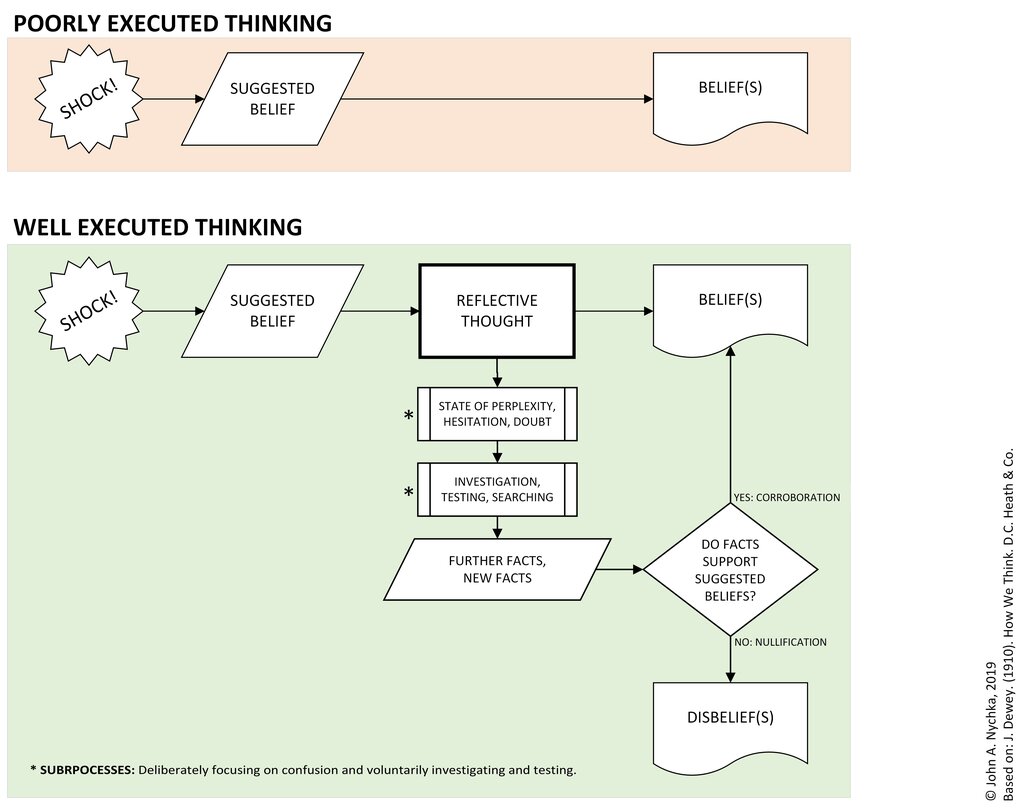
These skills are useful in any field, from science and law to business and art. Philosophy also helps us navigate our own lives. It encourages self-reflection, helping us to examine our beliefs, clarify our values, and live more consciously. It gives us a framework for thinking about the ethical dilemmas we all face, both as individuals and as a society.
Philosophy improves critical thinking, decision-making, and understanding of different viewpoints.
Ready to test your understanding of these core concepts?
The word "philosophy" is derived from the Greek words philo and sophia. What is the direct translation?
According to the text, the main purpose of philosophy is to provide clear, final answers to life's most difficult questions.
By exploring these fundamental questions, philosophy pushes us to become more thoughtful, curious, and engaged citizens of the world.