Foundations of Personal Health
Understanding Personal Health
What Is Personal Health?
Personal health is more than just the absence of disease. Think of it not as a finish line you cross, but as the way you feel day-to-day. It’s a state of complete physical, mental, and social well-being. It's about having the energy to work, play, and connect with others without feeling exhausted.
This holistic view means every part of your life influences your health. The food you eat, how you move your body, the quality of your sleep, and how you manage your thoughts and feelings all work together. It’s an active process of making choices that lead toward a healthy and fulfilling life.
Health is a delicate balance of body, mind, and spirit, and maintaining it requires a holistic approach that goes beyond treating symptoms.
Why does it matter so much? Because good personal health is the foundation for everything else. When you feel good, you're more resilient to stress, more productive, and better able to enjoy your relationships and hobbies. It's not about achieving perfection, but about building a sustainable lifestyle that supports your overall well-being.
The Core Components
Personal health rests on a few key pillars. Understanding them is the first step to taking better care of yourself. While they are distinct areas, they are deeply interconnected, and a change in one often affects the others.
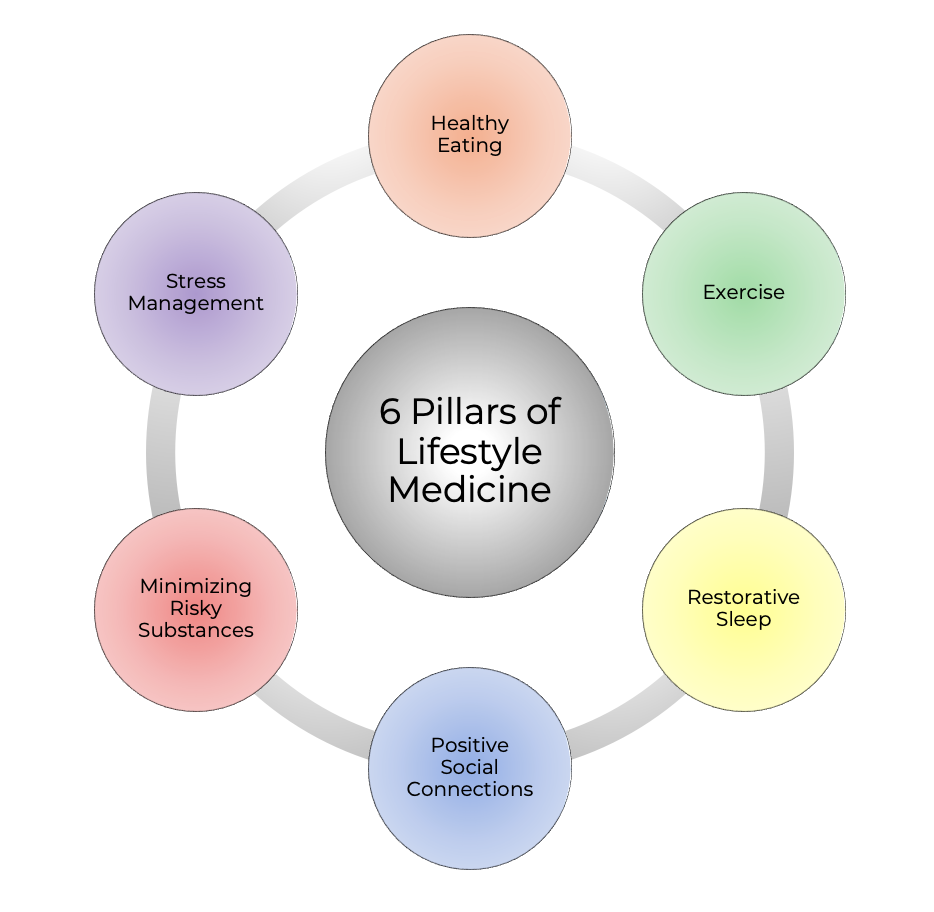
Nutrition Food is fuel. The nutrients from what we eat and drink provide the energy and building blocks our bodies need to function. Nutrition isn't about restrictive diets; it's about making balanced choices that nourish your body from the inside out.
Exercise Our bodies are designed to move. Regular physical activity, or exercise, strengthens muscles, improves cardiovascular health, and boosts mood. It's a powerful tool for both physical fitness and mental clarity.
Sleep This is when your body and brain recharge. During sleep, your body repairs itself, and your brain processes information. Getting enough quality sleep is critical for memory, mood, and physical health.
Mental Health Mental health includes our emotional, psychological, and social well-being. It affects how we think, feel, and act. It also helps determine how we handle stress, relate to others, and make choices. Tending to your mental health is just as important as caring for your physical body.
These components don't exist in isolation. Think of them as a team working together to keep you at your best.
For example, a poor night's sleep can make you crave sugary foods and feel too tired to exercise. Stress (a mental health factor) can disrupt your sleep and digestion. On the flip side, a nutritious meal and a good workout can lead to better sleep and a more positive mood. This interconnectedness is why a holistic approach is so effective.
What is the best definition of personal health from a holistic perspective?
Which of the following scenarios best illustrates the interconnectedness of the pillars of health?
By understanding these basic principles, you're setting the stage to make small, meaningful changes that can have a big impact on your overall well-being.