Foundations of Personal Health
Introduction to Health and Wellness
Beyond Not Being Sick
We often think of health as the opposite of being sick. If you don't have a cold or a broken bone, you must be healthy. But that's only part of the story. The World Health Organization defines health as a state of complete physical, mental, and social well-being, not merely the absence of disease.
It’s a broad concept, covering everything from the condition of your body to the quality of your relationships. It’s the foundation upon which we build our lives.
Health
noun
A state of complete physical, mental, and social well-being and not merely the absence of disease or infirmity.
Wellness, on the other hand, is the active pursuit of that health. It's the journey, not just the destination. Wellness involves making conscious choices and engaging in behaviors that lead to a more balanced and fulfilling life. It's about moving from simply surviving to actively thriving.
Health is a state of being, while wellness is the process of getting there.
What Shapes Your Health?
Your health isn't determined by a single factor. It's a complex puzzle influenced by a wide range of interconnected pieces known as the determinants of health. These factors work together to shape your overall well-being from the day you're born.
Here's a quick look at these categories:
- Biology and Genetics: This includes your age, sex, and any hereditary conditions passed down through your family.
- Individual Lifestyle: These are the daily choices you make, like what you eat, how much you move, and how you manage stress.
- Social and Physical Environment: This covers where you live, the quality of your housing, your access to education and economic stability, and the support you receive from family and community.
- Health Services: This is your access to and the quality of medical care available to you, from preventive screenings to treatment for illnesses.
The Power of Prevention
While we can't change our genetics, we have significant influence over our lifestyle choices. The small decisions we make every day add up, creating habits that can either build up our health or wear it down over time. This is where preventive health comes in.
Prevention isn't just about avoiding sickness; it's about actively building a foundation of well-being. Think of it like maintaining your car. You get regular oil changes and check the tire pressure not because the car is broken, but to prevent it from breaking down in the future. Your body works the same way.
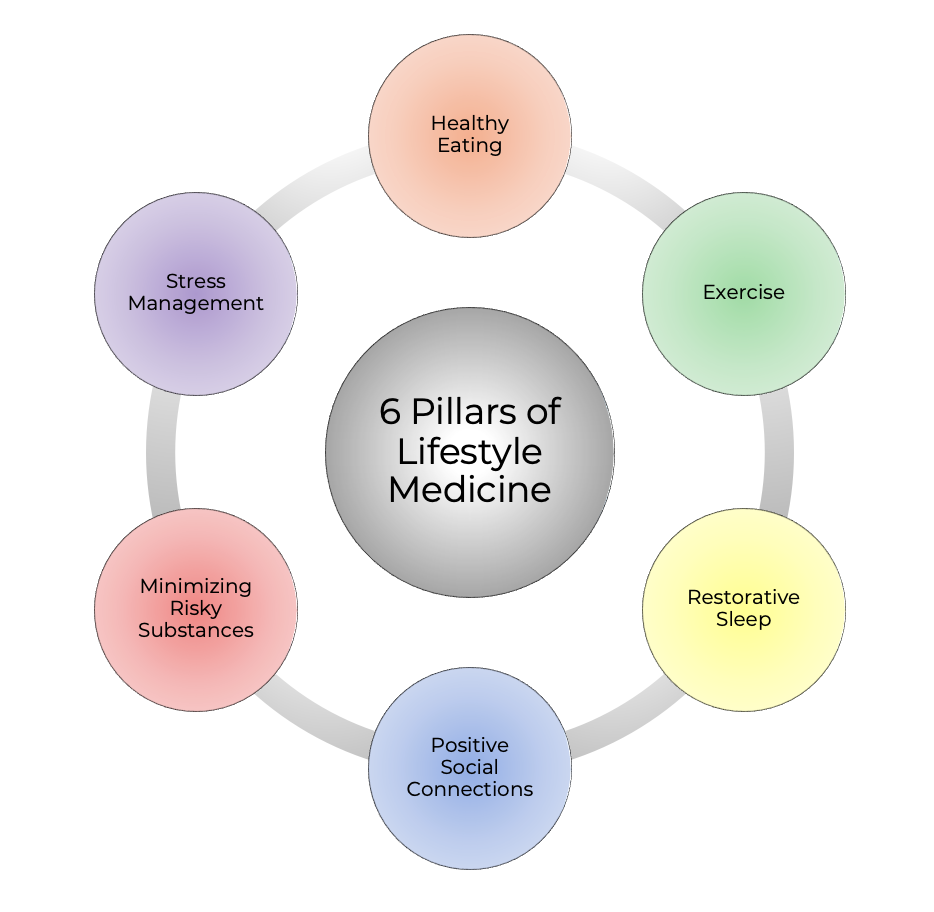
Preventive measures are actions taken to decrease the chance of getting a disease or to catch problems early when they are easier to treat. This can include simple things like washing your hands to prevent infections, getting enough sleep to support your immune system, and engaging in activities that bring you joy to manage stress.
By focusing on these proactive steps, you invest in your long-term health, increasing your chances of living a longer, more vibrant life.
According to the World Health Organization, what is the best definition of health?
What is the primary difference between 'health' and 'wellness'?