Foundations of Personal Finance
Understanding Income and Expenses
What Comes In
Before you can manage your money, you need to know how much is coming in. This is your income. It's any money you receive. For most people, this is a paycheck from a job, but income can come from many places.
Income
noun
Money received, especially on a regular basis, for work or through investments.
Income generally falls into two main categories: active and passive. Active income is what you earn by trading your time and effort for money. Think of a salary from a full-time job or the wages you get from hourly work. If you stop working, this income stops.
Passive income is different. It's money you earn from assets you own, and it doesn't require your constant attention. It's the classic idea of making money while you sleep.
| Income Type | How It's Earned | Examples |
|---|---|---|
| Active | Direct work and effort | Salary, wages, tips, freelance payments |
| Passive | From assets you own | Rental income, stock dividends, book royalties |
Understanding where your money comes from is the first step. Take a moment to list all your sources of income. You might be surprised by what you find.
What Goes Out
Just as important as what comes in is what goes out. These are your expenses. An expense is any cost you have, from your rent to your morning coffee. Getting a handle on your expenses means understanding where your money is actually going each month.
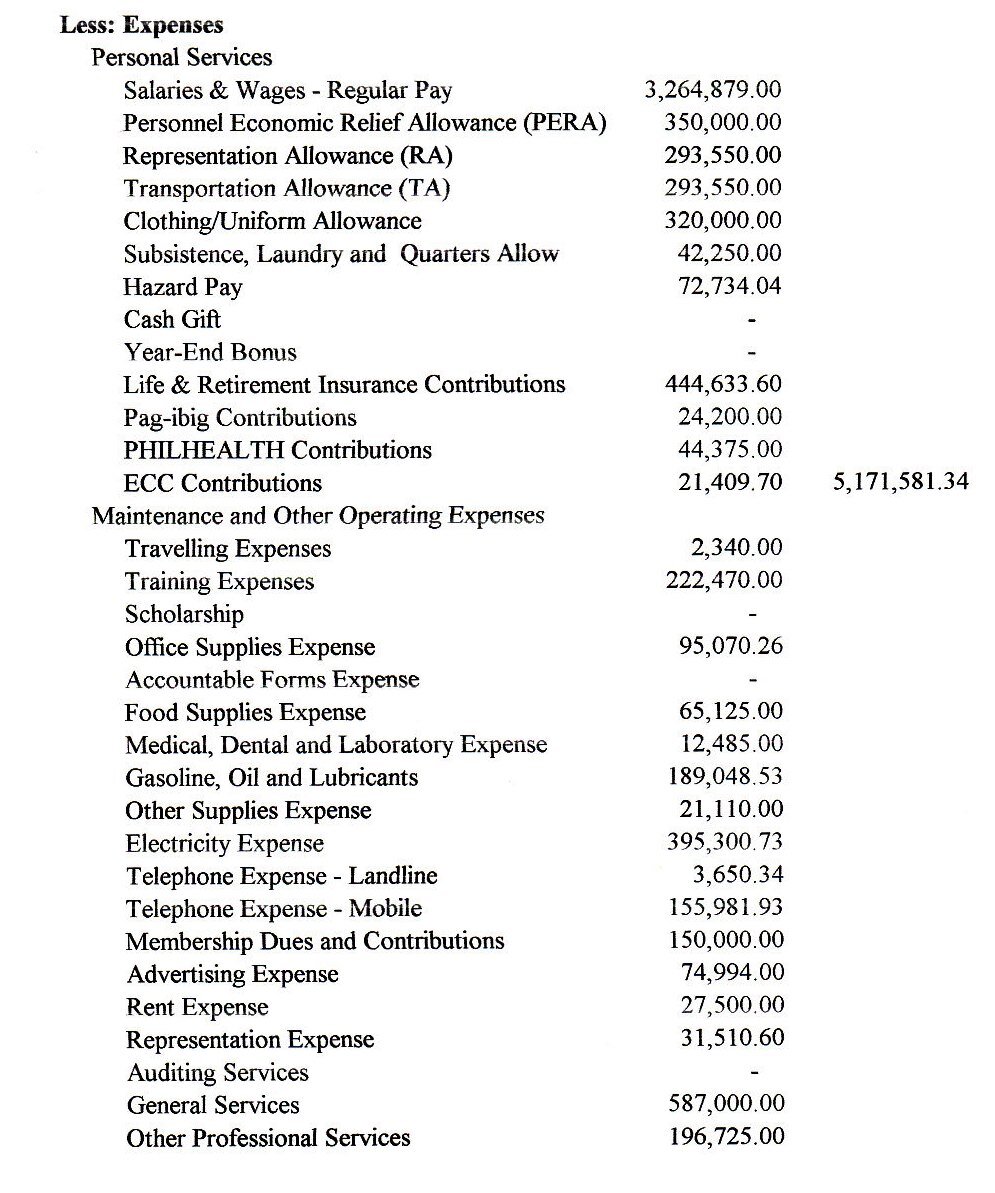
To make sense of them, we can group expenses into three categories. This helps clarify which costs are essential and which are choices.
-
Fixed Expenses: These are costs that stay the same month after month. They are predictable and often contractual. Think of your rent or mortgage payment, a car loan, or insurance premiums. You know exactly how much you'll pay and when.
-
Variable Expenses: These are necessary costs, but the amount changes. You need to buy groceries and put gas in your car, but the total you spend can fluctuate. Your electricity bill is another good example; it changes based on how much you use.
-
Discretionary Expenses: These are often called "wants." They are the expenses you have control over and could cut back on if needed. This includes things like going out to eat, movie tickets, hobbies, and subscriptions to streaming services.
Fixed expenses are your obligations, variable expenses are your necessities, and discretionary expenses are your choices.
Keeping Track of It All
Knowing the types of income and expenses is one thing. Seeing your own numbers is another. The goal of tracking is to build awareness. You can't make smart financial decisions without a clear picture of what's happening with your money. The good news is, tracking is simpler than ever.
There are many ways to track your finances, from pen and paper to sophisticated apps. A simple spreadsheet is a great place to start.
Create two main sections: Income and Expenses. For one month, log everything. Every paycheck, every coffee, every bill. It might feel tedious at first, but this exercise provides invaluable clarity.
# Simple Monthly Tracking Example
# You can create a table like this in a spreadsheet

## Income
- Job 1: +💲2500
- Freelance Gig: +💲300

## Expenses
### Fixed
- Rent: -💲1200
- Car Payment: -💲300
- Insurance: -💲150

### Variable
- Groceries: -💲450
- Gas: -💲120
- Utilities: -💲110

### Discretionary
- Restaurants: -💲180
- Streaming Service: -💲15
- Movie Night: -💲30
Many banking apps now automatically categorize your spending, making this process even easier. Whichever method you choose, the key is consistency. After tracking for a month, you'll have a clear, honest snapshot of your financial life. This foundation of knowledge is where all good financial planning begins.
Which of the following is an example of passive income?
Your monthly student loan payment, which is the same amount every month, falls into which category of expenses?