Foundations of Personal Finance
Financial Literacy Basics
What is Financial Literacy?
Financial literacy is simply the ability to understand and use various financial skills. It's about confidently managing your personal finances, from daily budgeting to long-term planning. Think of it as a toolkit for making smart decisions with your money.
When you're financially literate, you're not just guessing. You can look at a financial choice, like taking out a loan or starting a savings plan, and understand its impact on your life. This knowledge is the foundation for building a secure financial future.
The Building Blocks
To get a handle on your finances, you first need to speak the language. Let's break down the five most basic terms that form the bedrock of personal finance.
Income
noun
The money you receive or earn on a continuous basis. This is the cash flowing into your accounts.
Income is what you have to work with. It's the starting point for all your financial activities.
Expenses
noun
The money you spend on goods or services. This is the cash flowing out of your accounts.
While income and expenses track your day-to-day cash flow, assets and liabilities give you a snapshot of your overall financial position.
Asset
noun
Anything of value that you own. An asset can be converted into cash.
Assets put money in your pocket, or have future economic value. This includes cash in your bank account, investments, or property you own. On the flip side are liabilities.
Liability
noun
Anything you owe to others; a debt. Liabilities take money out of your pocket over time.
So, how do all these pieces fit together? They help you calculate your net worth, which is the single best measure of your financial health.
Why It Matters
Understanding these terms isn't just an academic exercise. It changes how you see your money and your future. Being financially literate means you can set meaningful goals, like saving for a down payment on a house or planning for retirement, and create a realistic path to achieve them.
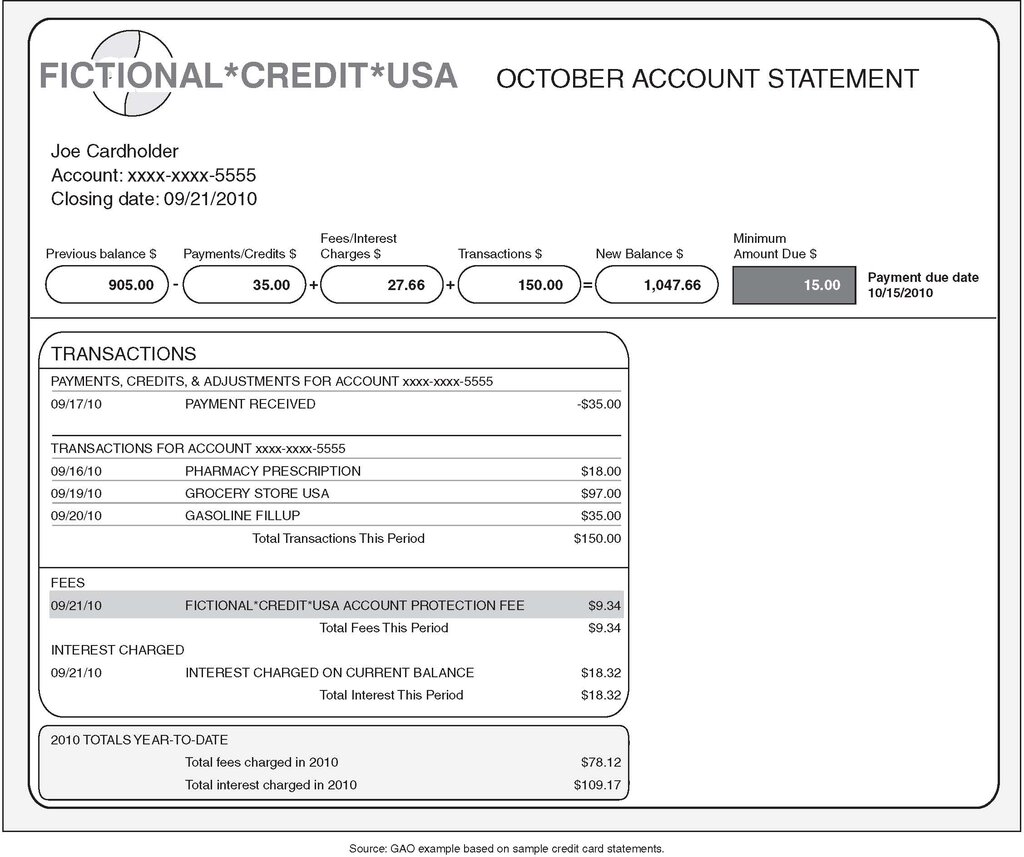
Consider two people who both face an unexpected $500 car repair. The first person, who doesn't track their finances, might panic and put the bill on a high-interest credit card, adding to their liabilities. The second person, who understands their financial picture, might have an emergency fund (an asset) set aside for exactly this situation. They pay the bill without stress or added debt.
That's the power of financial literacy. It helps you navigate life's surprises and opportunities with confidence, turning financial stress into financial well-being.
What is the primary goal of financial literacy?
Which of the following is the best example of an asset?