Foundations of Orthodox Theology
History and Tradition
The Great Family Split
For the first thousand years, Christianity was largely one united body. Think of it as a single, enormous family tree. But over centuries, cultural and theological differences began to grow between the Christians in the western part of the Roman Empire (centered in Rome) and those in the east (centered in Constantinople). The two groups spoke different languages, had different ways of worshiping, and disagreed on the authority of the Pope.
This growing distance came to a head in what is now called the . In the year 1054, the leaders of the eastern and western churches officially broke ties. The family tree split into two massive branches: the Roman Catholic Church in the West and the Eastern Orthodox Church in the East. This wasn't a sudden argument, but the final break after a long, slow drift apart.
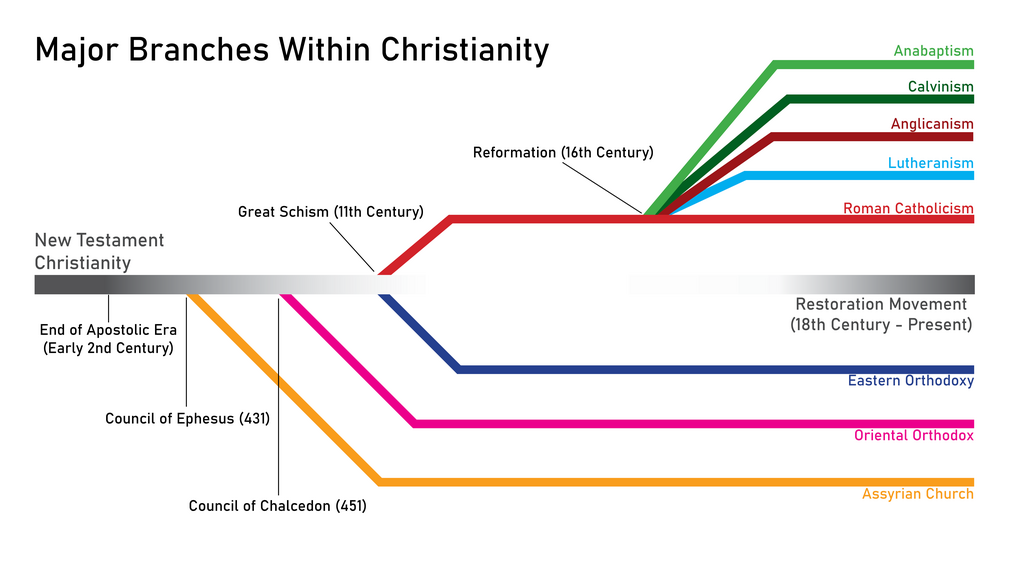
From the Orthodox perspective, they didn't break away. They believe they are the original trunk of that family tree, continuing the faith of the early Christians without addition or subtraction. This commitment to continuity is the core of their identity.
The Living DNA of Faith
So how does the Orthodox Church maintain this connection to the past? The answer is through what's called Holy Tradition. This isn't about old, dusty habits. It’s the living, breathing transmission of the Christian faith from one generation to the next, like spiritual DNA passed down from the very beginning.
Holy Tradition is the entire life of the Church. It includes the Bible, creeds, the decisions of councils, the writings of the saints, and the Church's worship services.
For Orthodox Christians, the Bible is the most important part of Holy Tradition, but it isn't separate from it. They believe the Bible was written within the Church, for the Church, and must be understood as part of the Church's total life and faith. It's the crown jewel, but it sits within a larger treasure chest.
Other key parts of this treasure chest are the writings of the Church Fathers. These were the great bishops and teachers of the first few centuries who helped explain and defend Christian beliefs. Their work provides a vital guide for understanding the Bible and living a Christian life.
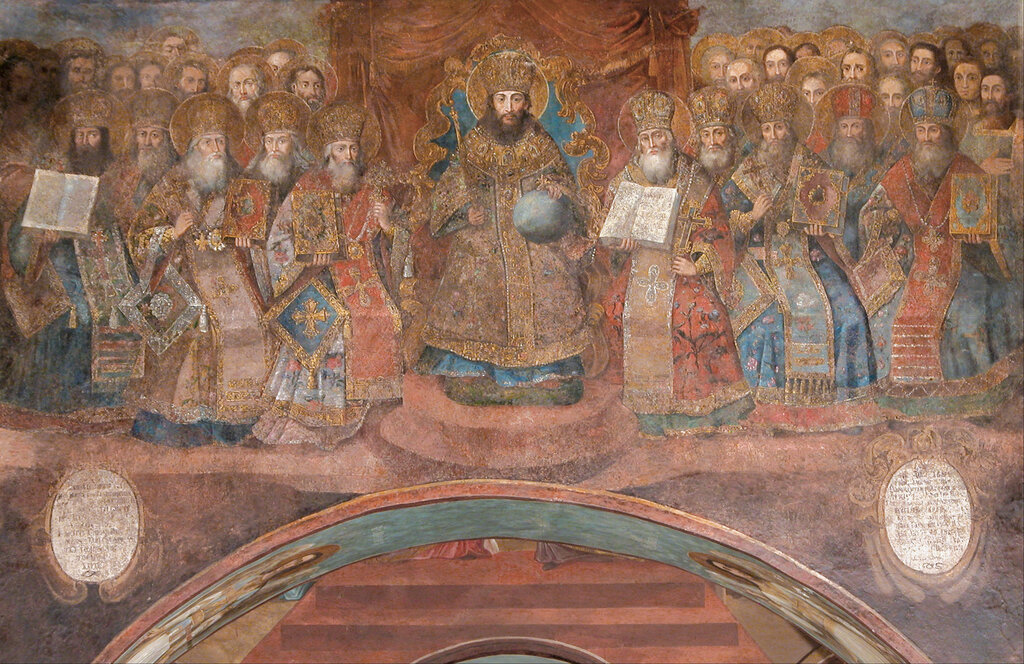
Finally, there are the . These were seven major meetings held between the 4th and 8th centuries where bishops from all over the Christian world gathered to settle important questions of faith. They produced foundational statements of belief, like the Nicene Creed, which is still recited today. These councils are seen as the voice of the whole Church, guided by the Holy Spirit, to preserve the true faith.
The Unbroken Chain
One final concept is crucial for understanding the Orthodox view of history: . This is the belief that the spiritual authority given by Jesus to his original twelve apostles has been passed down in an unbroken line, from bishop to bishop, all the way to the present day.
This isn't just a claim to historical prestige. For the Orthodox, it is the guarantee that the Church today teaches the same faith that the Apostles taught. Each bishop is a link in a chain that connects their local community directly back to Jesus Christ and his first followers. For them, the Church is not an organization founded on an ancient book; it is a living organism with a direct, personal connection to its source.
Let's review what we've learned about the foundations of the Orthodox Church.
What event marked the formal split between the Western (Roman Catholic) and Eastern (Orthodox) churches in 1054?
According to the Orthodox perspective, what is the relationship between the Bible and Holy Tradition?
By understanding the Great Schism and the importance of Holy Tradition, we can see why Orthodox Christians place such a high value on history and continuity. Their faith is a living connection to the ancient past.