Foundations of Organizational Psychology
Introduction to Organizational Psychology
The Psychology of the Workplace
Why do some people love their jobs while others dread Monday mornings? What makes a team click and innovate, while another struggles with conflict and low output? These are the kinds of questions that organizational psychology tackles. At its core, it's the scientific study of human behavior in the workplace. It aims to understand and improve the well-being and performance of employees, and the overall effectiveness of the organization.
The field is often called Industrial-Organizational (I-O) Psychology, which hints at its two major sides. The "Industrial" part is very practical and focuses on the individual. It deals with things like recruiting the right people for the job, training them effectively, and measuring their performance. It's about matching the person to the role.
The "Organizational" side takes a wider view. It looks at how the company's structure and culture affect employees. This includes topics like motivation, job satisfaction, leadership styles, and how teams work together. It’s about creating an environment where people can thrive.
A Quick History
Organizational psychology began to take shape in the early 20th century. Initially, the focus was purely on efficiency, influenced by engineers who wanted to make workers more productive, like machines. But a series of famous experiments in the 1920s and 30s, known as the Hawthorne Studies, changed everything.
Researchers at the Hawthorne Works, an electric company near Chicago, were studying the effects of lighting on worker productivity. They expected to find that better lighting led to better work. They did, but they also found that worse lighting also led to better work. In fact, almost any change they made seemed to boost productivity temporarily.
The conclusion was a breakthrough: workers weren't just responding to the physical changes, but to the psychological effect of being watched and cared about. The simple act of paying attention to people changed their behavior. This discovery, now called the Hawthorne effect, shifted the focus of the field from pure mechanics to human relations and psychology.
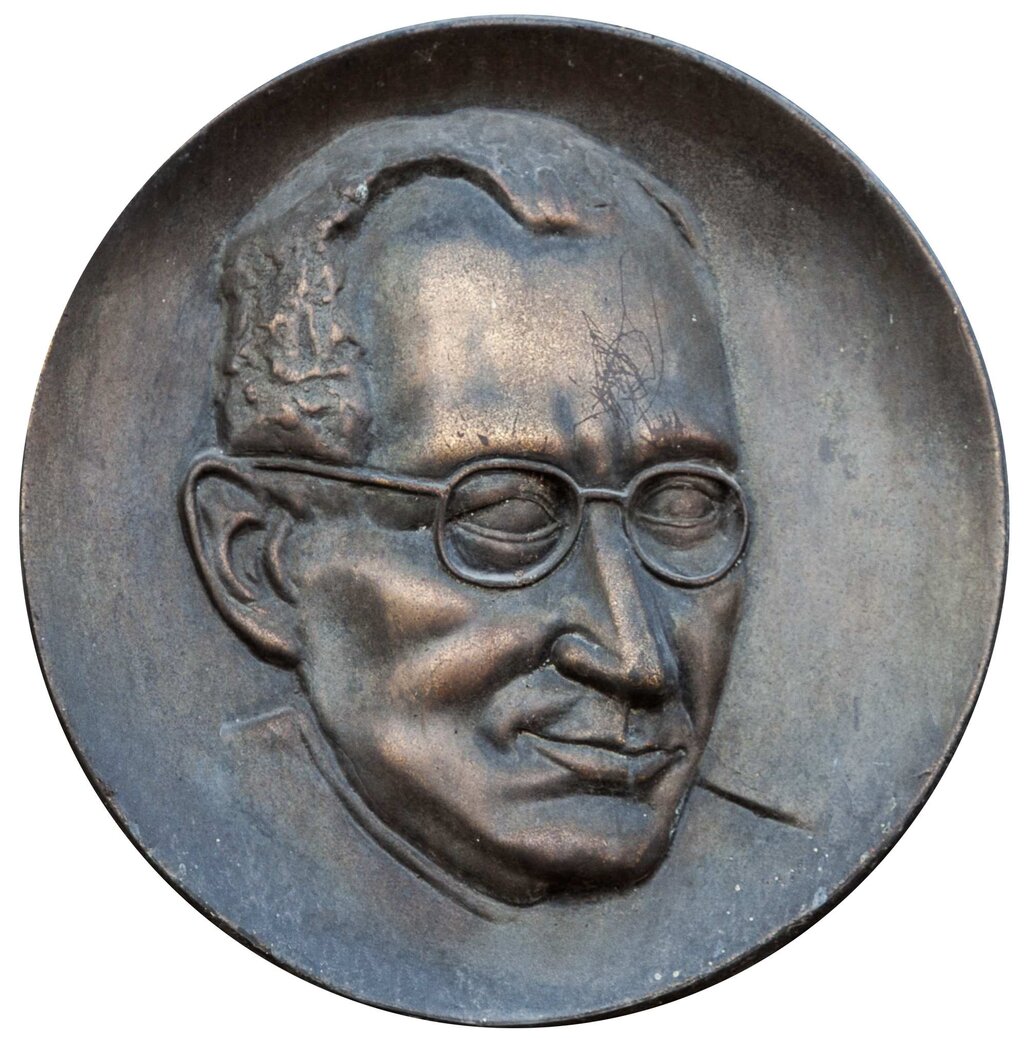
Around the same time, World War I and II created a need for methods to assess and place large numbers of soldiers into suitable roles. Psychologists developed tests to measure cognitive abilities and other skills, which laid the groundwork for modern employee selection practices. Figures like Kurt Lewin, a pioneering psychologist, further shaped the field by studying group dynamics and advocating for a practical, hands-on approach to research.
Core Theories and Models
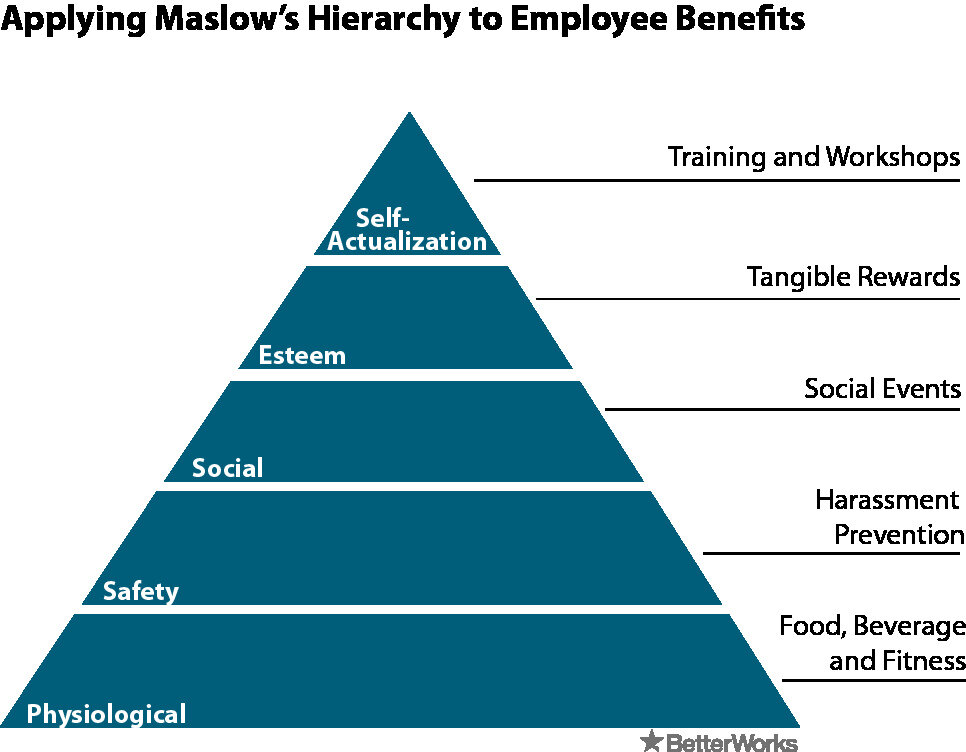
Organizational psychologists use several key theories to understand workplace behavior. One of the most famous is Maslow's Hierarchy of Needs. The idea is that people have different levels of needs, and they must satisfy the lower-level ones before they are motivated by the higher-level ones.
Another core concept is job satisfaction. It's simply how content an individual is with their job. It's not just about a paycheck; it's also about factors like the work itself, relationships with coworkers, and opportunities for growth. High job satisfaction is linked to better performance, lower employee turnover, and a more positive work environment.
Finally, leadership is a central topic. Foundational theories explore how a leader's style—whether they are more focused on tasks or on people—can dramatically impact a team's morale and effectiveness. While there's no single "best" style, understanding these dynamics is crucial for building healthy organizations.
How Psychologists Study the Workplace
To get reliable answers, organizational psychologists use scientific research methods. They don't just rely on intuition. Common methods include:
| Method | Description | Example |
|---|---|---|
| Surveys & Questionnaires | Collecting self-reported data from employees on topics like job satisfaction, stress, or company culture. | A company sends out an annual anonymous survey to gauge employee engagement. |
| Experiments | Manipulating one variable to see its effect on another in a controlled setting. | Testing if a new training program (variable A) improves team performance (variable B) compared to a control group. |
| Observational Studies | Watching and recording employee behavior in their natural work environment without interfering. | A researcher observes communication patterns during team meetings to understand collaboration. |
| Archival Research | Analyzing existing data, such as company records of absenteeism, turnover rates, or performance reviews. | Studying five years of turnover data to see if it correlates with changes in management. |
Each method has its strengths and weaknesses. By often using a combination of these approaches, psychologists can build a more complete and accurate picture of what's happening within an organization.
Ready to check your understanding of these foundational concepts?
What is the primary goal of organizational psychology?
The "Industrial" side of I-O Psychology is primarily concerned with which of the following?
Organizational psychology provides a framework for making workplaces more efficient and more humane. By applying psychological principles, organizations can create environments that are not only productive but are also fulfilling places to be.