Foundations of Nutrition
Introduction to Nutrition
The Fuel for Your Body
Your body is a complex machine, and just like any machine, it needs the right kind of fuel to run properly. That fuel comes from the food you eat. Nutrition is the study of how food and drink affect our bodies, especially in relation to health and disease.
Nutrition is the process by which organisms take in food from outside the body and convert it into energy and materials needed for growth and maintenance.
Think of it this way: you wouldn't put diesel in a gasoline-powered car. Similarly, giving your body the right nutrients allows it to perform at its best. Good nutrition supports everything from basic daily functions, like walking and thinking, to more complex processes like fighting off infections and repairing injuries. It's the foundation of a healthy life.
Two Types of Nutrients
The food we eat contains thousands of different substances, but they can be sorted into two main categories: macronutrients and micronutrients. The names give us a clue about the difference. 'Macro' means large, and 'micro' means small. Your body needs macronutrients in large amounts and micronutrients in smaller amounts.

Even though you need less of them, micronutrients are just as important for your health.
macronutrient
noun
A type of food required in large amounts in the diet, such as fat, protein, and carbohydrates.
Macronutrients are the main event. They provide the calories, or energy, that your body uses to function. The three macronutrients are carbohydrates, proteins, and fats. Each one plays a unique and vital role.
micronutrient
noun
A chemical element or substance required in trace amounts for the normal growth and development of living organisms.
Micronutrients include vitamins and minerals. They don't provide energy directly, but they are crucial for a huge range of bodily functions. They help your body use the energy from macronutrients, support your immune system, and enable countless chemical reactions.
A Well-Balanced Team
So, how do you make sure you're getting everything you need? The answer lies in a balanced diet. This doesn't mean eating perfectly all the time. It means eating a variety of foods so that over time, you get the right mix of all the essential nutrients.
A balanced diet provides the body with the proper proportions of carbohydrates, fats, proteins, vitamins, minerals, and water necessary to maintain good health.
Think of the nutrients in your diet as players on a sports team. You need a good offense (energy-giving carbohydrates and fats), a strong defense (immune-boosting vitamins), and versatile players who can build and repair (proteins and minerals). If your team is missing a key player, its overall performance suffers. The same is true for your body. A lack of any one nutrient can throw the whole system off balance.
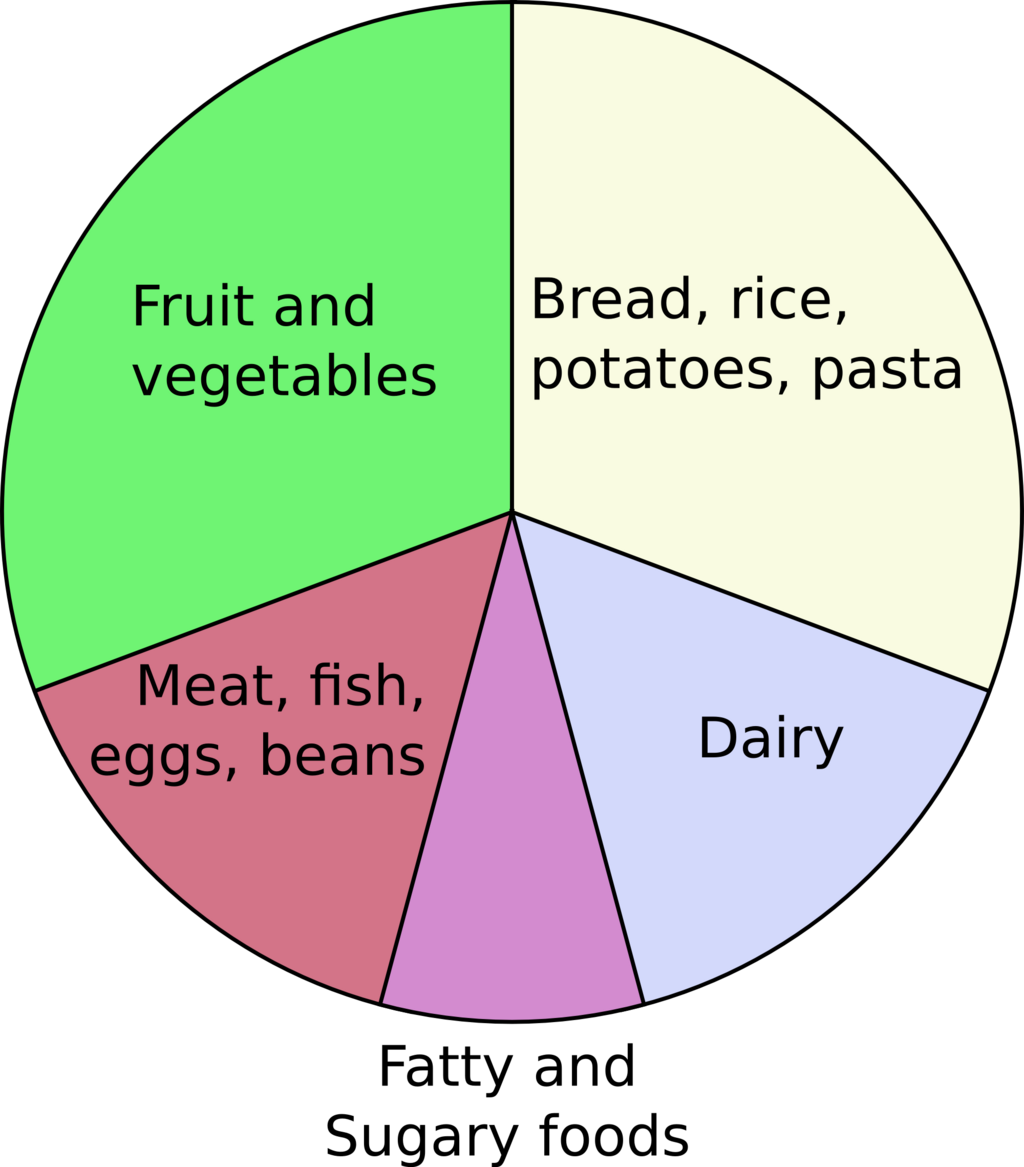
Eating a wide range of fruits, vegetables, grains, proteins, and healthy fats is the best way to assemble a winning team for your body. This variety ensures you cover all your nutritional bases.
Ready to check your understanding of these fundamental concepts?
What is the primary role of macronutrients in the body?
Which of the following are the three macronutrients?
Understanding these core ideas of nutrition is the first step toward making informed choices about the food you eat.