Foundations of Nutrition
Introduction to Nutrition
What is Nutrition?
At its core, nutrition is the study of food and how it affects our bodies. It's about understanding the ingredients our bodies need to function, grow, and repair themselves. Think of it as the instruction manual for fueling yourself correctly. The food we eat provides not just energy to get through the day, but also the raw materials for everything from building muscle to fighting off infections.
Nutrition
noun
The process of providing or obtaining the food necessary for health and growth.
The Body's Toolkit
The essential substances in food that our bodies need are called nutrients. They are the tools our body uses to perform three main jobs: providing energy, building and repairing tissues, and regulating bodily functions like breathing and heartbeat. Without a steady supply of these nutrients, our bodies can't work properly.
Nutrients are generally sorted into two main categories, based on how much of them we need.
The two main types are macronutrients and micronutrients. The prefix tells you the main difference: "macro" means large, and "micro" means small. This refers to the quantity our bodies require, not their importance. Both are vital for our health.
Macronutrients are needed in large amounts. They include carbohydrates, proteins, and fats. These are the primary sources of energy, or calories, in our diet.
Micronutrients are needed in small amounts. They include vitamins and minerals. They don't provide energy, but they are essential for nearly every process in the body, from bone health to immune function.
Finding the Right Balance
So, how do we make sure we get everything we need? That’s where the concept of a balanced diet comes in.
A balanced diet means consuming a variety of foods that provide the right amounts of all the essential nutrients. Think of building a house. You need bricks, but you also need wood, glass, and wiring. Relying on just one material won't work. Similarly, our bodies need a mix of carbohydrates, proteins, fats, vitamins, and minerals to be strong and healthy.
Eating a wide range of foods, like fruits, vegetables, whole grains, and lean proteins, is the best way to cover all your nutritional bases.
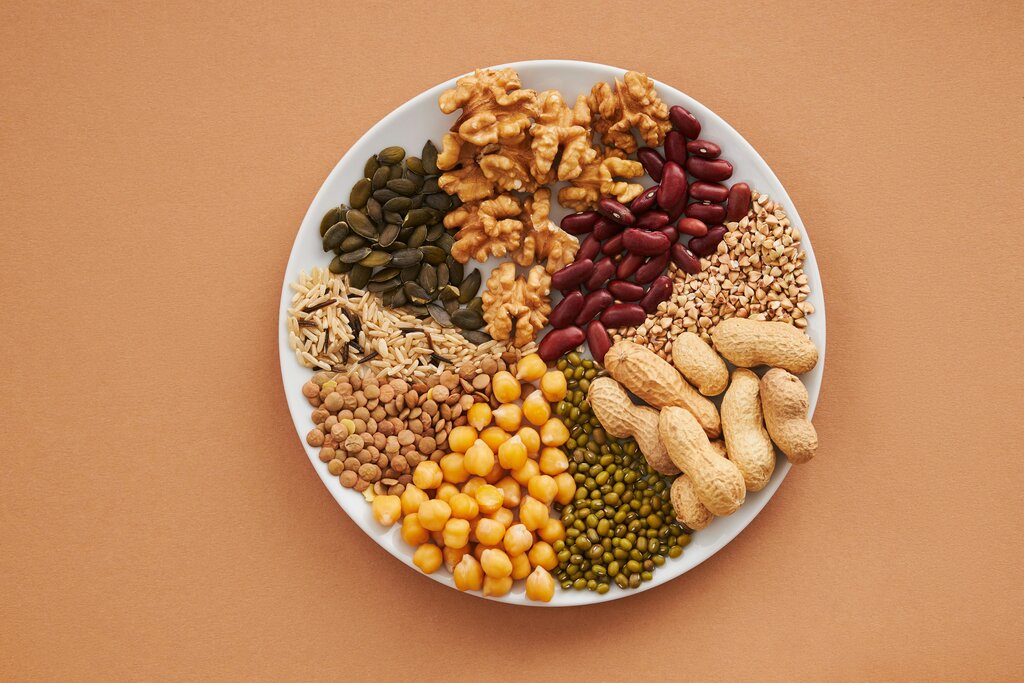
This balance is crucial for maintaining good health and helping to prevent chronic diseases. It’s not about perfection, but about creating a consistent pattern of healthy eating.
The goal is to provide your body with a diverse toolkit of nutrients so it has what it needs to perform at its best every day.
Now, let's test your understanding of these foundational concepts.
What is the primary definition of nutrition?
Nutrients are categorized as 'macro' or 'micro' based on what criteria?
Understanding these basics sets the stage for exploring each nutrient group in more detail.