Foundations of Music Theory
Introduction to Music Theory
The Language of Music
Music theory isn't a set of rigid rules you must follow to make music. Think of it more like grammar for a language. You don't need to know what a 'past participle' is to speak, but understanding grammar helps you understand language on a deeper level. Music theory is the same; it's a way of understanding and describing what we hear.
It gives us a shared vocabulary to talk about why a certain song makes us feel happy or sad, or why one combination of notes sounds pleasing while another sounds tense. By learning the basic elements, you're learning the alphabet of music. This foundation makes it easier to read, write, and communicate musical ideas.
The Basic Elements
All music, from a simple folk tune to a complex symphony, is built from the same fundamental components. Let's break them down one by one.
Pitch
noun
The perceived highness or lowness of a sound.
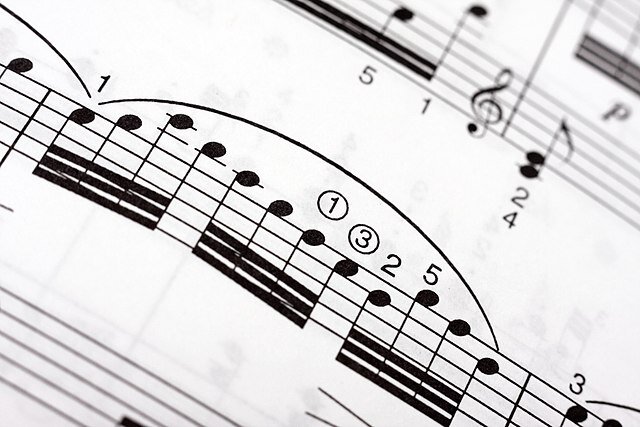
Pitch is what allows us to create tunes. When you sing 'Happy Birthday,' your voice moves up and down, hitting different pitches. In Western music, we name these pitches with letters: A, B, C, D, E, F, and G. These are the notes you see written on a musical staff.
Next up is rhythm, the element that deals with time.
Rhythm
noun
The arrangement of sounds and silences in time.
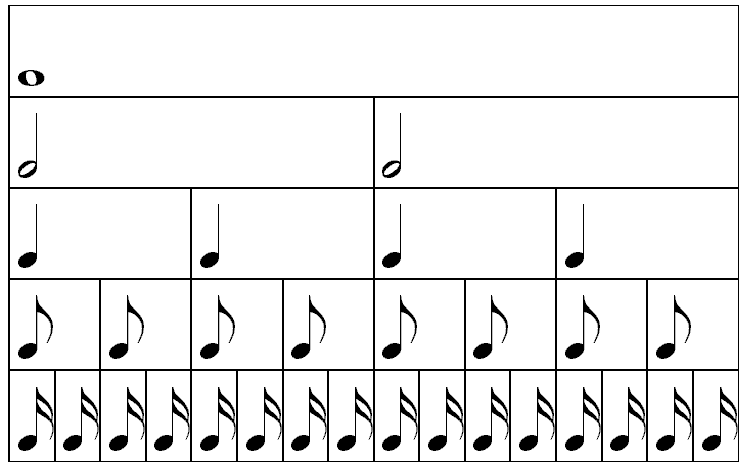
Rhythm is what gives music its pulse and makes you want to tap your foot. It’s created by playing notes of different lengths and adding moments of silence, or rests, between them. A steady beat is the backbone of rhythm, and the speed of that beat is called the tempo.
When you combine pitch and rhythm, you get melody.
Melody is a sequence of single notes that is musically satisfying. It's the tune you hum.
Think of your favorite song. The part you sing along with is the melody. It's the main voice of the music, a specific series of pitches played in a specific rhythm.
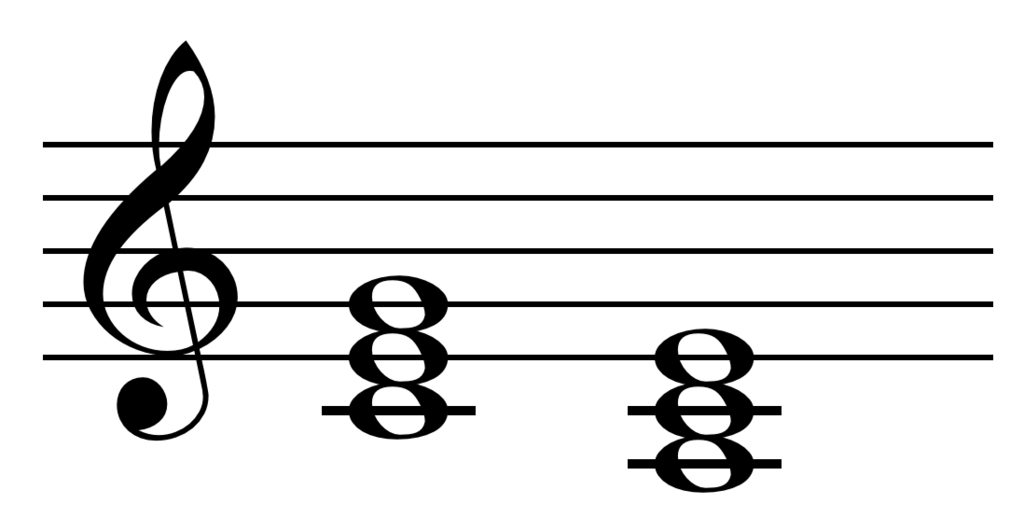
While melody is a sequence of notes played one after another, harmony is what happens when you play multiple notes at the same time.
Harmony
noun
The combination of simultaneously sounded musical notes to produce chords and chord progressions having a pleasing effect.
Harmony adds depth and richness to a melody. When a guitarist strums a chord to accompany a singer, that's harmony. It creates the emotional backdrop for the melody, supporting it and giving it context. The interplay between melody and harmony is at the heart of most music.
Adding Color and Feeling
Beyond pitch, rhythm, and harmony, other elements give music its unique character and emotional power.
Dynamics refers to the volume of the music—how loud or soft it is. Changes in dynamics can create drama, excitement, or intimacy.
Imagine a song that starts as a quiet whisper and builds to a powerful roar. That's the effective use of dynamics. Composers use specific terms, often in Italian, like piano (soft) and forte (loud) to tell performers how to play.
Finally, there’s timbre (pronounced TAM-ber). This is what makes a trumpet sound different from a violin, even when they play the same note at the same volume.
Timbre
noun
The character or quality of a musical sound or voice as distinct from its pitch and intensity.
Timbre is the 'tone color' of a sound. It's influenced by the material of an instrument, its size and shape, and how the sound is produced. A full orchestra can create a vast palette of timbres by combining the unique sounds of strings, brass, woodwinds, and percussion.
These six elements are the essential building blocks of music. Every piece you hear is a unique combination of pitch, rhythm, melody, harmony, dynamics, and timbre, working together to create a cohesive whole.
According to the provided text, what is the best analogy for music theory?
What is the term for the part of a song you sing along with, which consists of a specific series of pitches played in a particular rhythm?