Foundations of Music Event Management
Industry Overview
The Music Event Landscape
The music events industry is a dynamic and constantly evolving world. It's more than just concerts in arenas; it's a global network of festivals, club nights, and tours that connect artists with fans. After facing major disruptions, the industry has bounced back with a renewed focus on live experiences. Today, it’s characterized by massive global players, innovative independent promoters, and a constant stream of new trends shaping how we experience live music.
Who Runs the Show
A few major companies dominate the global live music scene. You've likely heard of them, or at least the events they produce. These giants have the resources to stage enormous festivals and sign the world's biggest artists to multi-year touring deals. Their influence is felt across the industry, from ticketing to venue management.
| Company | Notable Festivals & Venues | Key Characteristics |
|---|---|---|
| Live Nation | Lollapalooza, Bonnaroo, Reading & Leeds | The world's largest event promoter. Also owns Ticketmaster and operates hundreds of venues. |
| AEG Presents | Coachella, Stagecoach, British Summer Time | A major global competitor focused on premium festivals and managing iconic venues. |
| Independent Promoters | Various local and niche events | Crucial for developing new artists and fostering diverse music scenes in specific cities or genres. |
While these titans command the headlines, the industry's heart often lies with independent promoters. These smaller, often local companies are vital for musical diversity. They take risks on emerging artists and build communities around niche genres, creating the festivals and shows where many fans discover their new favorite bands.
New Sounds, New Experiences
The industry doesn't stand still. Fan expectations are changing, and event organizers are adapting with new ideas and technologies.
One of the biggest trends is the shift toward immersive experiences. A festival is no longer just a series of stages. It’s an all-encompassing environment with interactive art installations, high-quality food and drink offerings, and even wellness activities like yoga or meditation. The goal is to create a memorable, multi-sensory event that goes far beyond the music.
Sustainability has also become a major focus. Organizers are implementing initiatives to reduce their environmental footprint, from banning single-use plastics to powering stages with solar energy and encouraging fans to use public transportation.
Fans are increasingly looking for unique, curated experiences. This has led to a rise in boutique and genre-specific festivals that cater to niche tastes, from heavy metal cruises to intimate electronic music gatherings in remote locations.
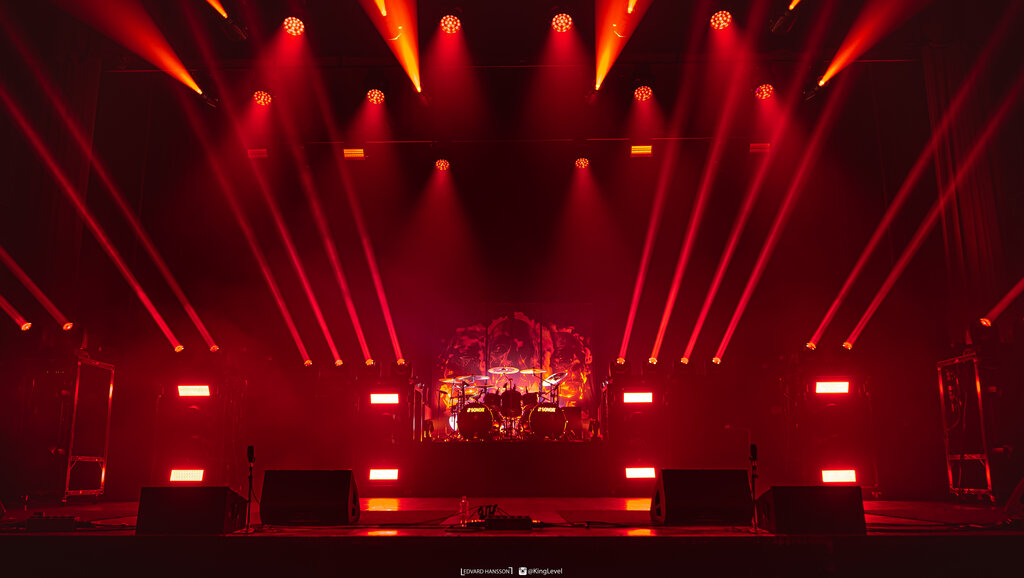
Technology is the other major driver of change. RFID wristbands for cashless payments and access control are now standard. Mobile apps are central to the event experience, providing schedules, maps, and push notifications. On the production side, advancements in lighting, sound, and visual effects like drone shows and holograms are creating more spectacular shows than ever before.
Connecting and Learning
For anyone looking to build a career in this field, networking is essential. The music events industry is built on relationships. Attending industry conferences, summits, and workshops is one of the best ways to meet key players, from booking agents to production managers and marketing experts.
These events are more than just social gatherings. They are crucial for professional development. Panels and keynotes provide insights into the latest trends, business practices, and technological innovations. You can learn about new ticketing strategies, sustainability best practices, or the latest in event safety protocols directly from the people shaping the industry's future.
Prepare for these events by researching speakers, sessions, and companies attending.
Making connections at events like SXSW, Pollstar Live!, or IMS Ibiza can open doors to collaboration, mentorship, and job opportunities. It’s a chance to learn from others' successes and failures and to understand the complex machinery that brings a live show to life.
According to the text, what is the primary role of independent promoters in the music events industry?
Which of the following best describes the trend of creating 'immersive experiences' at modern music festivals?
Understanding the key players, trends, and importance of networking provides a solid foundation for navigating the exciting world of music events.