Foundations of Modern Management
Introduction to Management
What is Management?
At its heart, management is about guiding an organization to its goals. Think of a film director. They don't operate the camera, design the costumes, or act in the scenes. Instead, they coordinate the efforts of many different specialists to create a single, coherent movie. That's what a manager does.
Management is the art of getting things done through the efforts of other people.
Without management, a business would be a collection of talented people working without direction. Resources would be wasted, efforts would be duplicated, and goals would remain out of reach. Good management provides the structure and vision needed to turn individual contributions into collective success. It ensures everyone is pulling in the same direction, using resources efficiently, and adapting to challenges along the way.
A Quick History
Management isn't a new idea, but how we think about it has changed dramatically. Early theories, born from the Industrial Revolution, viewed organizations like machines and workers as cogs within them. The main goal was maximizing efficiency.
| Approach | Primary Focus | Key Idea |
|---|---|---|
| Classical (Early 1900s) | Efficiency & Structure | Find the "one best way" to do a job. |
| Behavioral (1930s-1950s) | People & Motivation | A happy worker is a productive worker. |
| Modern (1960s-Present) | Systems & Flexibility | There's no single best way; it depends on the situation. |
As our understanding of psychology and sociology grew, so did our approach to management. The focus shifted from purely mechanical efficiency to understanding human behavior, motivation, and group dynamics. Modern management recognizes that organizations are complex systems that need to be flexible to succeed.
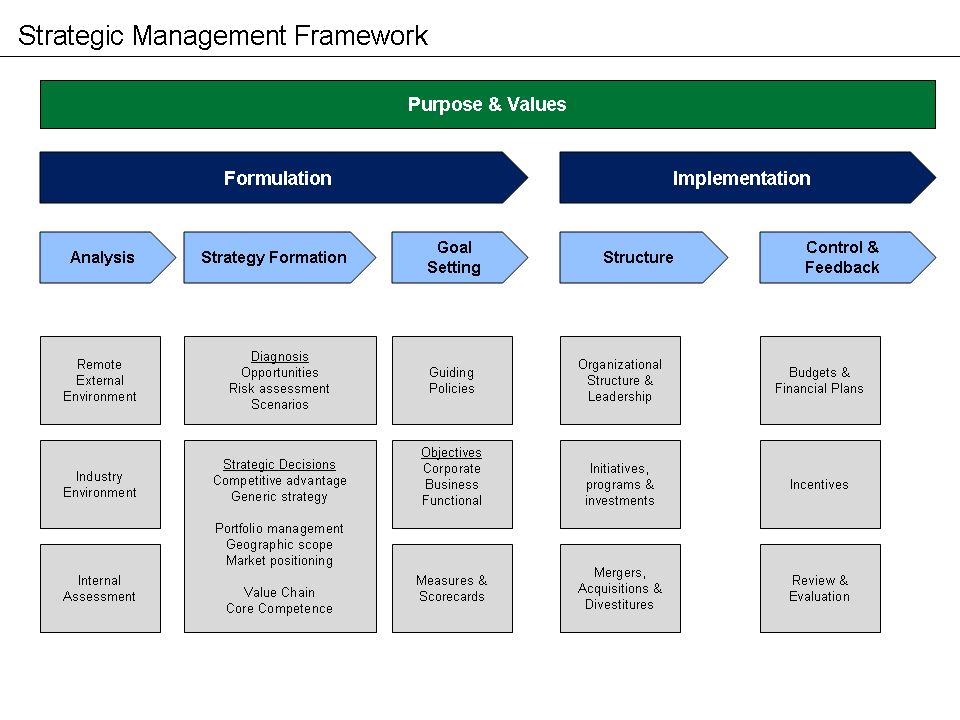
The Four Core Functions
While theories have evolved, the core activities of management have remained consistent. They can be broken down into a simple, memorable framework.
For this reason, principles of management are often discussed or learned using a framework called P-O-L-C, which stands for planning, organizing, leading, and controlling.
Here’s a brief look at what each function means:
- Planning: This is where it all starts. Managers set objectives and determine the best course of action to achieve them.
- Organizing: Once a plan is in place, managers must organize the resources, from people to budgets, to execute the plan effectively.
- Leading: This involves motivating, communicating with, and guiding people to carry out the plan.
- Controlling: Finally, managers monitor progress, compare it to the plan, and make necessary corrections. It's the feedback loop that keeps everything on track.
These four functions are not a checklist to be completed once. They are a continuous cycle that managers perform to steer their teams and organizations toward their goals. Let's test your understanding of these foundational ideas.
According to the film director analogy, what is the primary role of a manager?
A manager who is monitoring their team's sales performance against quarterly targets and making adjustments to the sales strategy is primarily engaged in which function of management?
Understanding these basic principles provides the foundation for exploring more complex management topics.