Foundations of Modern Cryptography
Introduction to Cryptography
The Art of Secret Messages
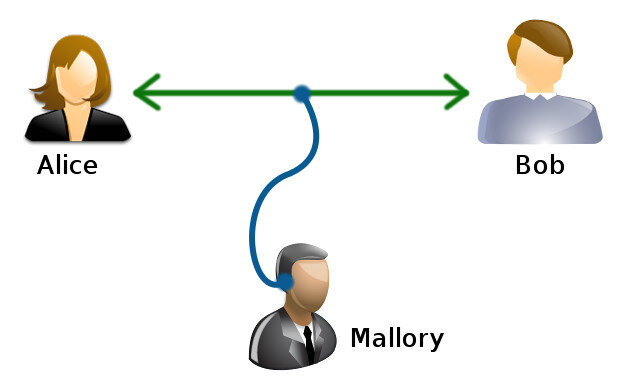
Cryptography is the science of secure communication. Its goal is to make sure a message can be read by the intended recipient, and no one else. Think of it like sending a postcard with a secret code that only you and your friend know how to decipher. Even if the mail carrier reads it, the message remains a mystery.
The idea of cryptography is basically to transmit a message from one side to the other so that only the sender and the receiver of the message know its content.
In cryptography, we have a few key terms. The original, readable message is called plaintext. When it's scrambled into a secret code, it's called ciphertext. The process of turning plaintext into ciphertext is encryption, and turning it back is decryption. The secret information used to lock and unlock the message is called the key.
From Ancient Scrolls to Computers
Cryptography isn't new. For thousands of years, people have used codes to protect secrets. One of the earliest methods is the Caesar cipher, famously used by Julius Caesar. He would shift each letter of the alphabet by a set number of places. If the shift was 3, 'A' would become 'D', 'B' would become 'E', and so on. This is a simple example of classical cryptography, which relied on hiding the method or the key.
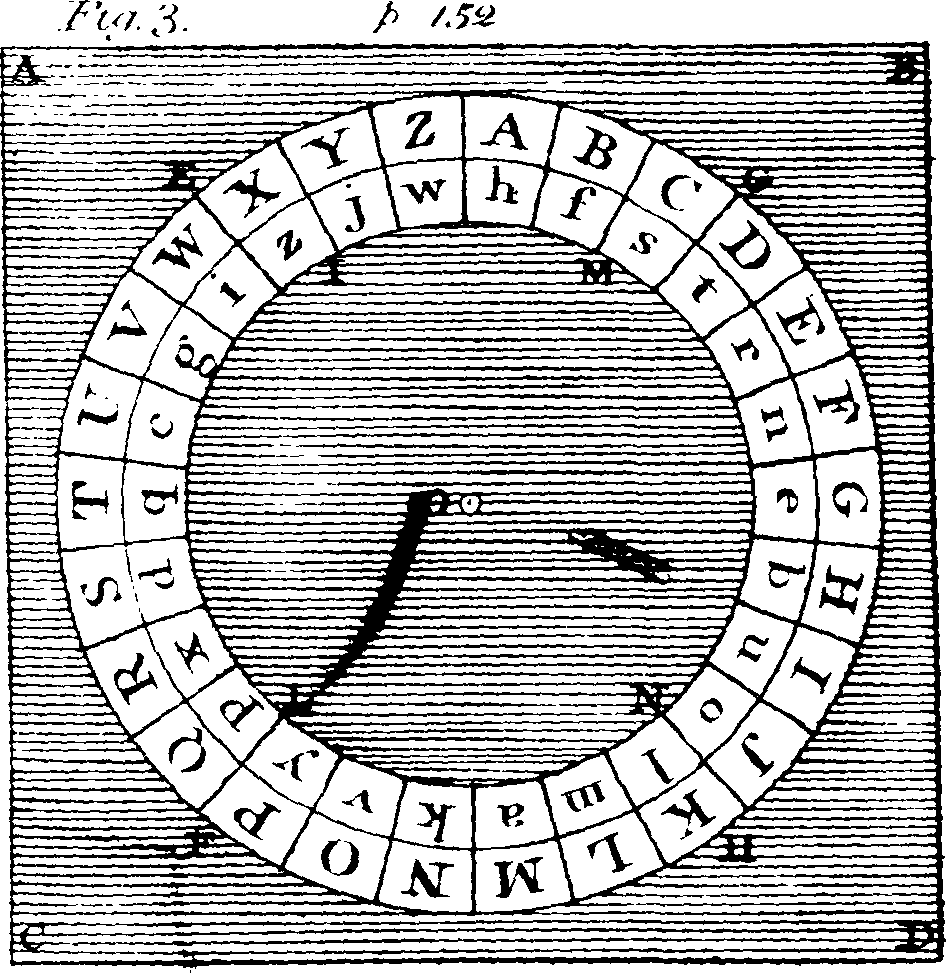
While these early ciphers were clever, they could often be broken with enough time and effort. As technology advanced, so did cryptography. The Enigma machine used during World War II is a famous example of a more complex mechanical cipher. But the real game-changer was the computer.
The arrival of computers ushered in the era of modern cryptography. Instead of clever letter-swapping, modern techniques rely on complex mathematical problems that are incredibly difficult for even the fastest computers to solve. The security of these systems doesn't come from hiding the method—everyone knows how it works. The security comes from the mathematical difficulty of figuring out the secret key.
The Four Pillars of Trust
Modern cryptography aims to provide four key guarantees, which are like the pillars supporting a secure digital world.
- Confidentiality: Ensuring that only the intended recipient can read the message. This is the privacy aspect, preventing eavesdropping.
Imagine sealing a letter in an envelope. Encryption is the digital version of that seal.
- Integrity: Making sure the message hasn't been altered in transit. If someone tries to change the message, the recipient will know.
This is like a tamper-proof seal on a package. You can immediately tell if it's been opened.
- Authentication: Verifying the identities of both the sender and the receiver. You need to be sure you're talking to the right person.
Think of it as checking someone's ID before letting them into a secure building.
- Non-repudiation: Preventing the sender from denying that they sent the message. It creates undeniable proof of origin.
This is the digital equivalent of a legally binding signature on a contract.
These four principles work together to build trust in our digital interactions, from online banking to private messaging. Understanding them is the first step into the fascinating world of cryptography.