Foundations of Modern Cooking
Kitchen Safety and Sanitation
The Foundation of Good Cooking
Before you learn to chop an onion perfectly or sear a steak, there's a more fundamental skill to master: how to run a safe and clean kitchen. Great cooking starts not with a recipe, but with an unwavering commitment to safety and sanitation. It’s about protecting yourself, your coworkers, and anyone who eats your food.
Hygiene is the backbone of a professional kitchen, ensuring food safety, maintaining customer trust, and creating a safe working environment for chefs and staff.
Think of these principles as the grammar of cooking. You can't write a beautiful sentence without knowing the rules, and you can't create a beautiful dish in an unsafe environment. Let's break down the essentials.
Core Principles of Food Safety
Keeping food safe from harmful bacteria and other pathogens is a top priority. The easiest way to remember the basics is to focus on four key actions: Clean, Separate, Cook, and Chill.
Clean: Wash your hands and surfaces often. Separate: Don't cross-contaminate. Cook: Cook to the right temperatures. Chill: Refrigerate food promptly.
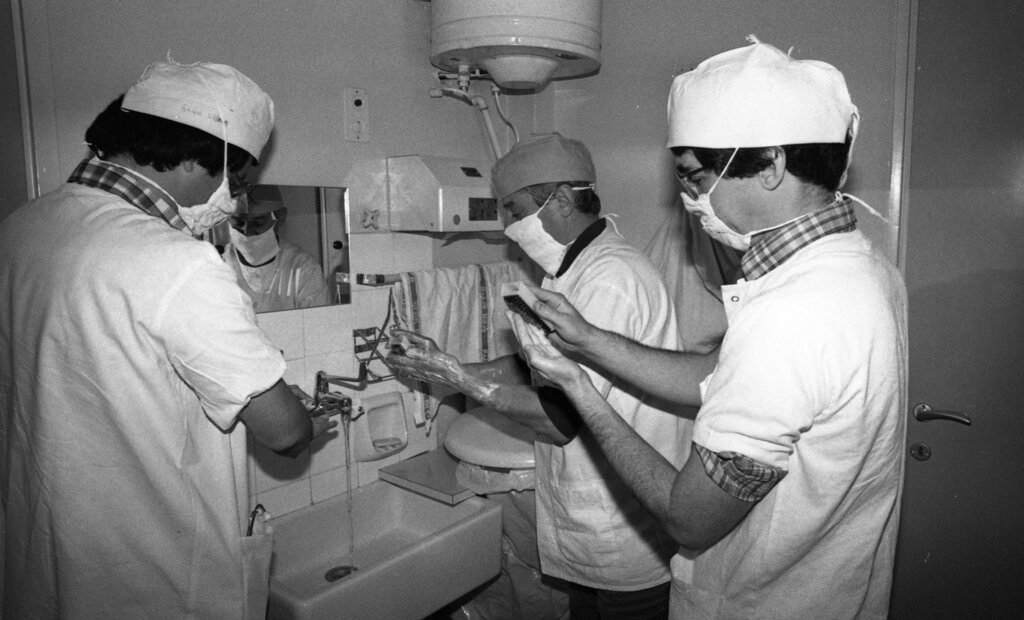
Let’s start with “Clean.” This means washing your hands with soap and water for at least 20 seconds before, during, and after preparing food. It also means keeping your utensils, cutting boards, and countertops clean and sanitized. Any surface that touches food needs to be cleaned thoroughly.
Next is “Separate.” This is all about preventing cross-contamination, which happens when germs from one food item spread to another. The classic example is using the same cutting board for raw chicken and then for fresh vegetables without cleaning it in between.
Cross-contamination
noun
The process by which bacteria or other microorganisms are unintentionally transferred from one substance or object to another, with harmful effect.
To avoid this, use separate cutting boards, plates, and utensils for raw produce and raw meat, poultry, seafood, and eggs. Keep raw meat securely wrapped and stored on the bottom shelf of the refrigerator so its juices can't drip onto other foods.
Finally, “Cook” and “Chill.” Food is safely cooked when the internal temperature gets high enough to kill germs that can make you sick. A food thermometer is the best way to ensure this. As for chilling, refrigerate perishable foods within two hours to slow the growth of bacteria. If the outside temperature is above 90°F, refrigerate within one hour.
Personal Hygiene and Equipment
Your personal cleanliness is just as important as a clean kitchen. Always arrive at work in clean clothes, tie back long hair, and remove jewelry from your hands and wrists. An apron isn't just for show—it protects your clothes and provides an extra barrier between you and the food.
When it comes to equipment, safety is paramount. Knives are one of the most common sources of injury in a kitchen. A sharp knife is actually safer than a dull one because it requires less pressure to cut, reducing the chance it will slip.
Always cut on a stable surface, like a cutting board with a damp towel underneath it to prevent slipping. Keep your fingers curled and away from the blade, and never try to catch a falling knife.
Be equally mindful of hot surfaces. Assume all pots, pans, and oven trays are hot, and use dry oven mitts or towels to handle them. Water conducts heat, so a wet towel can cause a steam burn. Also, be aware of your surroundings to avoid bumping into colleagues carrying hot liquids or heavy pans.
Understanding Foodborne Illness
Foodborne illness, often called food poisoning, is caused by eating food contaminated with harmful bacteria, viruses, or parasites. Symptoms can range from mild stomach upset to severe illness. The good news is that most cases are preventable by following the safety practices we've discussed.
Common culprits include bacteria like Salmonella (often found in raw eggs and poultry), E. coli (found in undercooked ground beef and contaminated produce), and Listeria (which can grow in refrigerated, ready-to-eat foods). The key to prevention is denying these germs the chance to multiply. This means keeping food out of the 'temperature danger zone' ($40°F$ to $140°F$), where bacteria grow most rapidly.
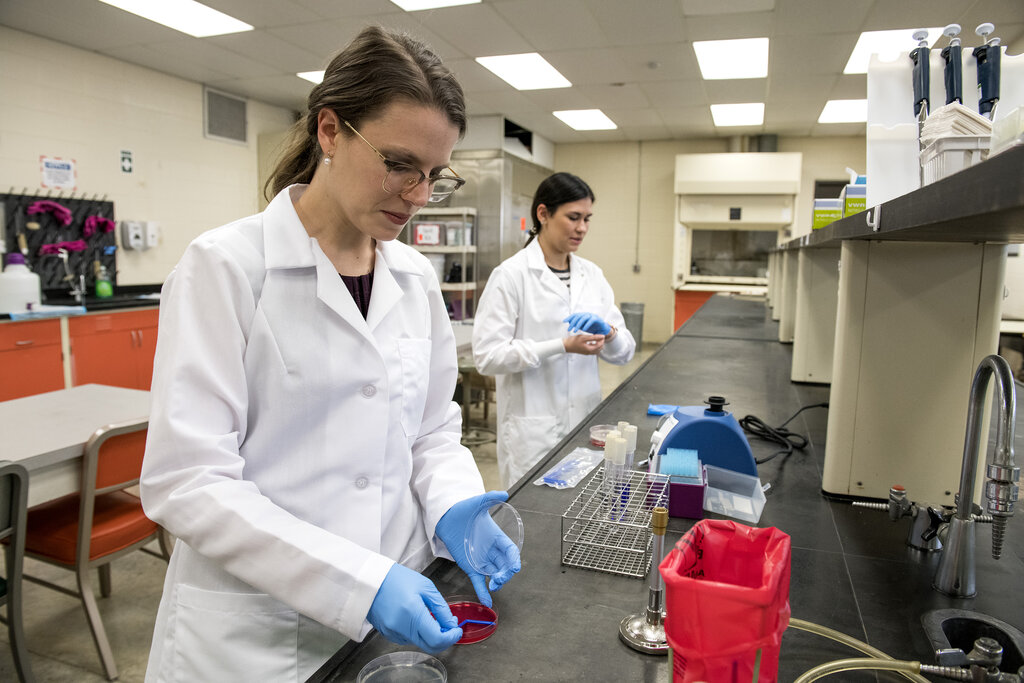
Every professional kitchen must follow local health codes and regulations. These rules are not suggestions; they are legal requirements designed to ensure public health. They cover everything from food storage temperatures and sanitation procedures to employee hygiene standards. Regular inspections by health departments ensure these standards are being met. Adhering to these codes is a non-negotiable part of being a culinary professional.
What are the four fundamental actions for ensuring food safety mentioned in the principles of kitchen sanitation?
A chef uses a cutting board to prepare raw chicken and then, without washing it, uses the same board to chop vegetables for a salad. This is a classic example of:
Mastering these safety and sanitation principles is the first and most important step in your culinary journey. They are the foundation upon which all your other skills will be built.