Foundations of Macroeconomics
Introduction to Macroeconomics
The Forest and the Trees
Economics is often split into two big categories: microeconomics and macroeconomics. Think of it like this: if you're studying a single tree—its leaves, its branches, its roots—you're doing micro-level analysis. But if you step back to look at the health of the entire forest—how it's growing, if it's shrinking, or what diseases affect it—you've entered the world of macroeconomics.
Macroeconomists study aggregated indicators such as GDP, unemployment rates and price indices to understand how the whole economy functions.
In short, macroeconomics looks at the big picture. It doesn't focus on why one person chooses to buy a coffee, but rather on what influences total spending across an entire country. It helps us answer huge questions: Is the economy getting stronger or weaker? Are jobs becoming more or less plentiful? Is the cost of living going up?
The Big Three Indicators
To gauge the health of an economy, macroeconomists track several key numbers, or indicators. The most important ones are like a doctor checking your vitals—they give a quick and powerful snapshot of the economy's condition. The three main ones are Gross Domestic Product (GDP), inflation, and unemployment.
GDP
noun
The total monetary or market value of all the finished goods and services produced within a country's borders in a specific time period.
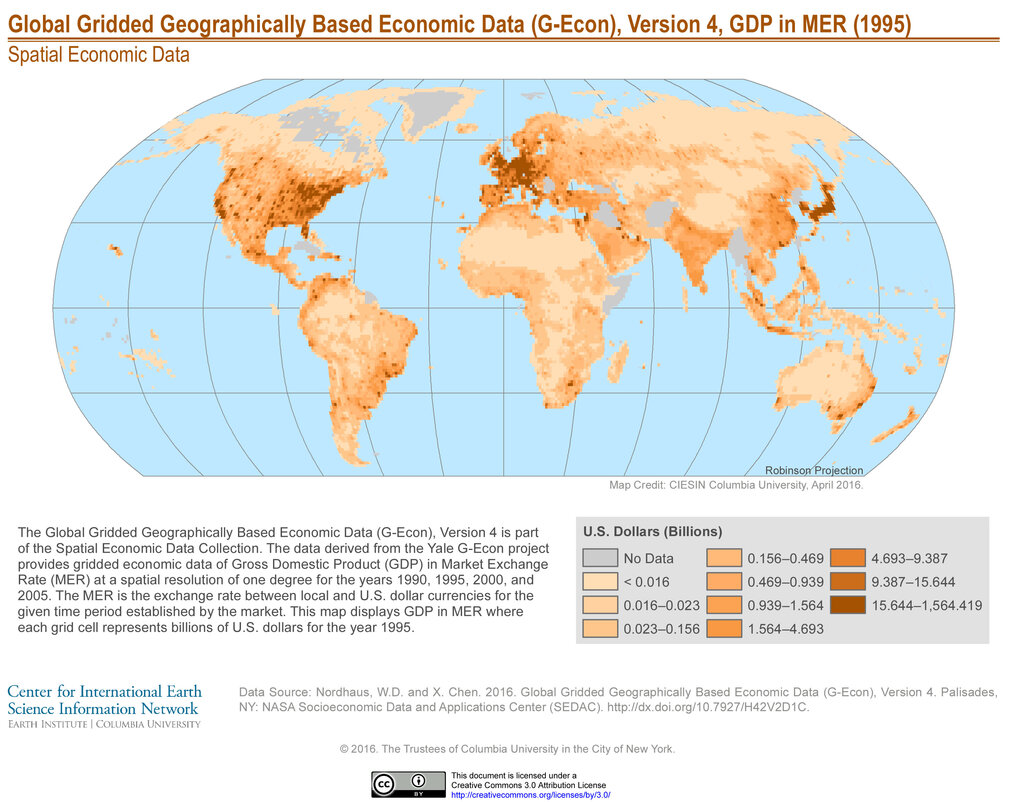
GDP is the broadest measure of a country's economic activity. It's the grand total of everything produced—from cars and software to haircuts and financial advice. When you hear that a country's economy is 'growing,' it usually means its GDP is increasing. This is a sign that businesses are producing more, and people are generally earning and spending more.
Next up is inflation. Inflation is the rate at which the overall level of prices for goods and services is rising, which means your money buys less than it used to. A little bit of inflation is considered normal and even healthy for an economy. But when it gets too high, it erodes savings and can make it hard for families to afford everyday necessities.
Finally, there's the unemployment rate. This measures the percentage of people in the workforce who are actively looking for a job but can't find one. A high unemployment rate is a major red flag. It means a significant part of the country's workforce isn't contributing to production, and millions of people may be struggling financially.
Why It All Matters
So, why do we obsess over these big-picture numbers? Because they have a huge impact on policy, business, and your daily life.
Governments and central banks use macroeconomic data to make critical decisions. If GDP growth is slowing down and unemployment is rising, a government might cut taxes or increase spending on infrastructure projects to stimulate the economy. If inflation is soaring, a central bank might raise interest rates to cool down spending.
Essentially, macroeconomics provides the playbook for managing a national economy.
Businesses also pay close attention. A forecast of strong economic growth might encourage a company to expand, hire more workers, and invest in new equipment. On the other hand, predictions of a recession might lead them to cut costs and delay new projects.
Understanding macroeconomics gives you a clearer view of the forces shaping your world—from the price of gas to the availability of jobs. It helps you understand the headlines and make more informed decisions as a citizen, a worker, and a consumer.
Which of the following questions would be studied by a macroeconomist?
The provided text identifies three primary 'vital signs' used to gauge the health of an economy. What are they?