Foundations of International Relations
Core Actors
Who's on the World Stage?
When we talk about international relations, we're really talking about a massive, ongoing play with a huge cast of characters. These characters are called "actors." For a long time, the story of global politics was simple: it was all about countries, or as we'll call them, states. They were the stars of the show.
But the stage has gotten more crowded. Today, states share the spotlight with a variety of other powerful groups. Understanding who these actors are—from nations to global companies to humanitarian groups—is the first step to making sense of world events.
The State The Main Character
So, what exactly is a state? It’s not just a piece of land on a map. In international relations, a state has four key ingredients:
- A defined territory: It needs borders. While there might be disputes, there's a general agreement on the geographic area it controls.
- A permanent population: People have to live there consistently.
- A government: There must be some form of political organization that runs things and provides services for the population.
- Sovereignty: This is the big one. It's the state's authority to govern itself without interference from the outside.
sovereignty
noun
The supreme authority within a territory. It means a state's government is the ultimate boss within its own borders.
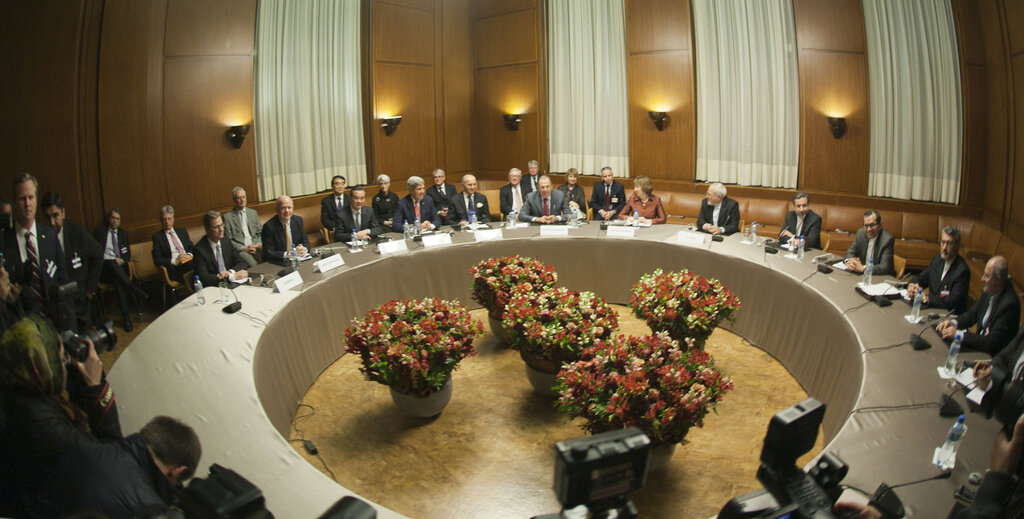
Because they hold this power of sovereignty, states are the only actors that can make laws, sign treaties, and officially go to war. This is why they've traditionally been seen as the primary actors in the international system. They set the rules of the game.
Beyond the State
While states are still the most powerful actors, they are no longer the only ones that matter. A whole host of non-state actors now influence global politics, economics, and culture. They can't sign treaties or declare war, but their impact is undeniable.
These groups operate across borders and often work faster and more flexibly than governments. They can pressure states, provide aid where governments can't or won't, and connect people globally. Let's look at the three main types.
International Organizations (IOs)
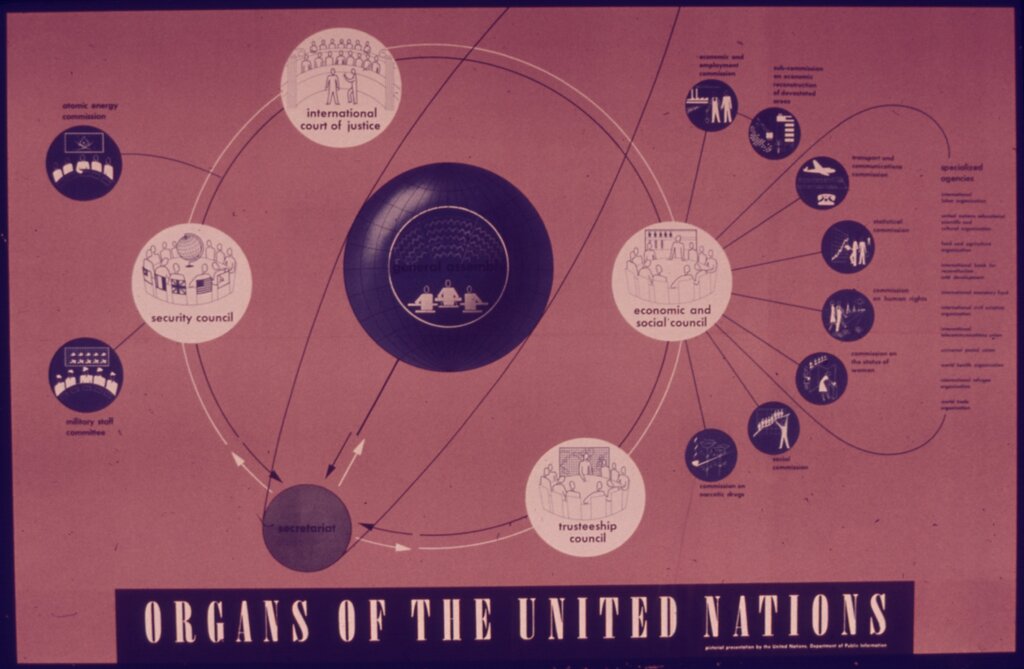
These are organizations whose members are states. Think of them as clubs for countries. States join IOs to work together on shared challenges, like security, trade, or public health. The United Nations is the most famous example, created to promote peace and cooperation among all nations.
Next up are Multinational Corporations (MNCs).
These are large companies that operate in multiple countries. You interact with them every day: Apple, Toyota, McDonald's, and Shell are all MNCs. Their main goal is profit, but their size gives them immense power. They can influence a country's economy by creating jobs, paying taxes, and bringing in new technology. Sometimes, the annual revenue of a large MNC can be bigger than the entire economy of a small country, giving them significant leverage in negotiations with governments.
Non-Governmental Organizations (NGOs)
These are private, non-profit groups that work to address specific social or political issues. Unlike MNCs, they are mission-driven, not profit-driven. Groups like Doctors Without Borders provide medical care in conflict zones, Amnesty International advocates for human rights, and Greenpeace campaigns for environmental protection. They often act as the world's conscience, shining a light on problems and pushing governments to act.
Here’s a quick way to keep these non-state actors straight:
| Actor Type | Who are the Members? | Primary Goal | Examples |
|---|---|---|---|
| International Organization (IO) | States | Facilitate cooperation | United Nations, World Bank, NATO |
| Multinational Corporation (MNC) | Shareholders | Generate profit | Google, ExxonMobil, Volkswagen |
| Non-Governmental Org. (NGO) | Individuals/Groups | Advocate for a specific cause | Red Cross, Greenpeace, Oxfam |
The world stage is a dynamic place. States remain the lead actors, but the supporting cast of IOs, MNCs, and NGOs is more influential than ever. They create a complex web of relationships that shapes everything from the price of coffee to the prospects for world peace.
According to the principles of international relations, which of the following is NOT a required characteristic of a state?
What is the most significant attribute that distinguishes a state from all other actors in international relations?