Foundations of Interior Design
Introduction to Interior Design
What is Interior Design?
Interior design is the art and science of enhancing the interior of a building to achieve a healthier and more aesthetically pleasing environment for the people using the space. It's much more than just decorating. A designer thinks about how people live and move within a space to make it functional, safe, and beautiful.
Think of an open-concept kitchen. A decorator might choose the color of the cabinets and the style of the backsplash. An interior designer, on the other hand, plans the entire layout. They decide where the stove, sink, and refrigerator go to create an efficient workflow. They consider lighting, flooring, and even the building codes that apply to the plumbing and electrical systems. They shape the experience of the space.
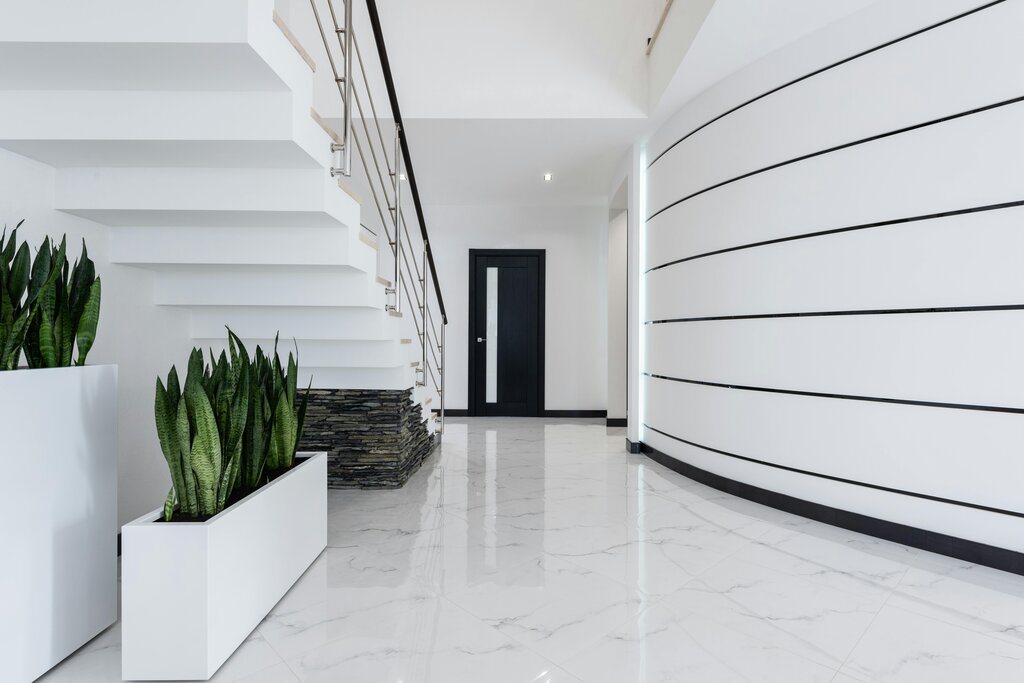
Essentially, interior design is about problem-solving. It answers questions like: How can we make this small apartment feel more spacious? How can we design a living room that works for both quiet evenings and large family gatherings? It’s a process that blends creative vision with practical solutions.
A Quick Look Back
While the profession of interior design is relatively modern, the practice of shaping interior spaces is as old as architecture itself. Ancient Egyptians decorated their mud-brick homes with simple furnishings, animal skins, and murals. The Romans valued beauty in their homes, using intricate mosaics, decorative pottery, and elaborate furniture in their villas.
For centuries, this work was done by architects or craftspeople. The idea of a dedicated "interior designer" didn't truly emerge until the early 20th century. A major turning point was the Industrial Revolution, which made well-designed items more accessible to the middle class, not just the wealthy. People started paying more attention to the look and feel of their homes.
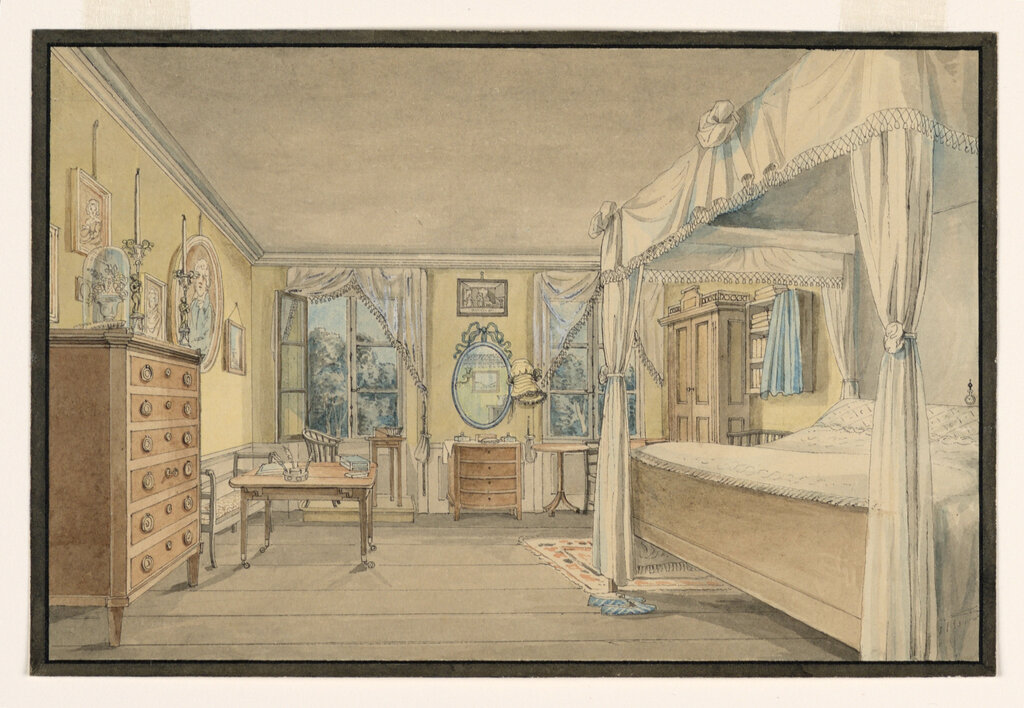
Pioneers like Elsie de Wolfe, an American actress who turned to design in 1905, helped establish interior design as a legitimate profession. She moved away from the dark, cluttered Victorian style, favoring brighter, more comfortable, and personalized spaces. This shift marked the beginning of interior design as we know it today: a client-focused service dedicated to creating functional and personal environments.
The Designer's Role
An interior designer wears many hats. They are part artist, part project manager, and part psychologist. Their primary goal is to interpret a client's needs and turn them into a reality, managing the entire process from the first idea to the final placement of a pillow. Their responsibilities go far beyond picking out furniture.
| Responsibility | Description |
|---|---|
| Client Consultation | Understanding the client's goals, budget, and lifestyle. |
| Space Planning | Creating functional floor plans that optimize traffic flow. |
| Concept Development | Defining the look and feel with mood boards and sketches. |
| Material & Finish Selection | Choosing flooring, paint, lighting, textiles, and furniture. |
| Project Management | Coordinating with architects, contractors, and vendors to execute the design. |
Designers must have a deep understanding of materials, building codes, and accessibility standards. They create technical drawings and plans that guide contractors, ensuring that everything is built safely and correctly. It's a field that requires a careful balance of creativity and technical expertise.
Key Terms to Know
As you start exploring interior design, you'll come across some common terms. Here are a few to get you started.
Space Planning
noun
The analysis and design of spatial floor plans to create efficiency and flow within an interior space.
This is the foundation of any design. It involves creating a layout for furniture, appliances, and even walls to ensure the space is used effectively.
Scale
noun
The relative size of one object in relation to another. In design, it often refers to how furniture and objects fit within the room and in relation to each other.
Proper scale creates balance. A tiny chair will look lost next to a massive sofa, and a huge chandelier might overwhelm a small dining nook.
Palette
noun
The range of colors chosen for a particular room or project.
A color palette sets the mood of a space. It can be monochromatic (using different shades of one color), complementary (using colors opposite each other on the color wheel), or analogous (using colors next to each other on the color wheel).
Ready to test your knowledge? This quiz will help you review the core concepts we've just covered.
What is the primary difference between an interior designer and an interior decorator?
Which historical event was a major turning point that made well-designed items more accessible to the middle class and increased focus on home interiors?
Understanding these fundamentals provides a strong base for exploring the more creative aspects of interior design.