Foundations of Interior Design
Introduction to Interior Design
What Is Interior Design?
Think about your favourite café or the room in your house where you feel most relaxed. The way a space makes you feel isn't an accident. It’s the result of interior design, a field that shapes our daily experiences by crafting the spaces where we live, work, and play.
At its core, interior design is about creating functional and pleasing environments within buildings. It’s a blend of art and science. The art is in the aesthetics—the colours, textures, and furniture that create a certain mood. The science is in the space planning, ergonomics, and understanding how people will actually use the room.
Interior design is not just about making a space look good. It's about making it work well for the people who use it.
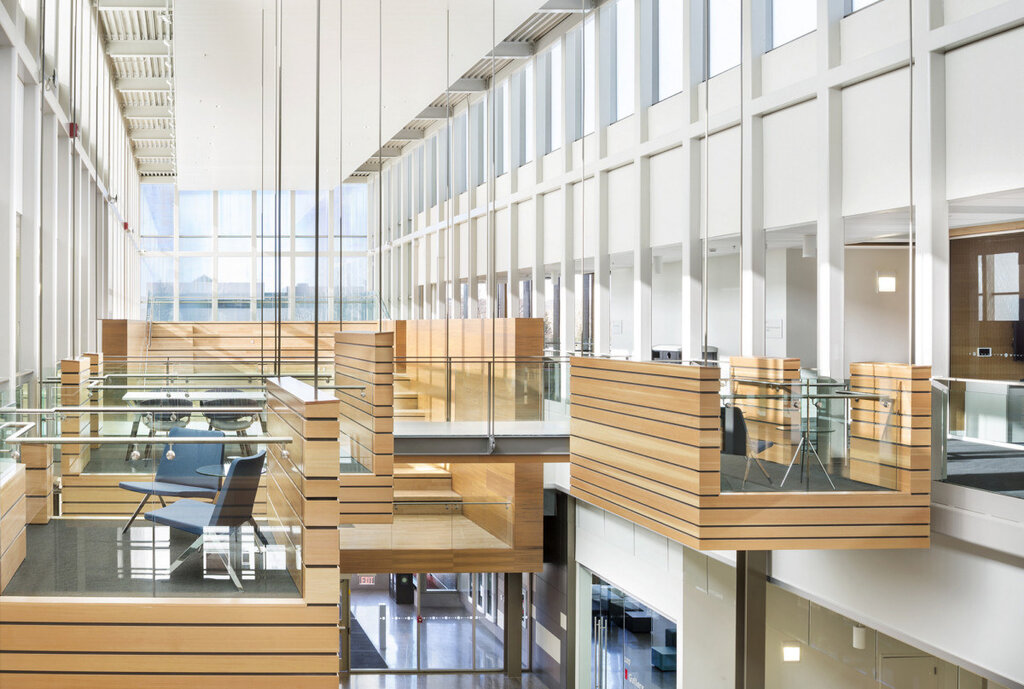
The scope of interior design is vast. It covers everything from cosy residential homes to bustling commercial spaces like offices, hotels, and hospitals. A designer working on a hospital ward has very different priorities from one designing a boutique hotel, but both use the same core skills: listening to a client's needs, solving spatial puzzles, and creating a cohesive, functional plan.
A Quick Trip Through Time
Humans have always decorated their living spaces. Ancient Egyptians adorned their homes with murals and patterned textiles, while the Romans were known for their intricate mosaics and ornate furniture. For centuries, however, this was largely a DIY affair or a task handled by architects and craftspeople.
The idea of a dedicated 'interior designer' is relatively new. The profession began to take shape in the late 19th and early 20th centuries. The Industrial Revolution meant that a growing middle class had access to consumer goods like furniture and wallpaper, creating a demand for experts who could help put it all together tastefully.
Early pioneers started to formalise the practice, moving it away from mere decoration and towards a more structured discipline that considered function, light, and flow. Professional organisations were formed, and design schools began offering specialised courses, solidifying interior design as a distinct and respected field.
More Than Just Cushions
So, what does an interior designer actually do all day? The role is multifaceted, blending creativity with technical knowledge and project management.
A designer is a problem-solver. Their job begins with understanding a client's goals. Is it a family needing a more functional kitchen? A company wanting an office that fosters collaboration? A restaurant aiming for a specific atmosphere?
From there, the designer develops a concept and tackles key responsibilities:
- Space Planning: Figuring out the best layout for furniture and ensuring easy movement through the space. This includes creating floor plans and 3D models.
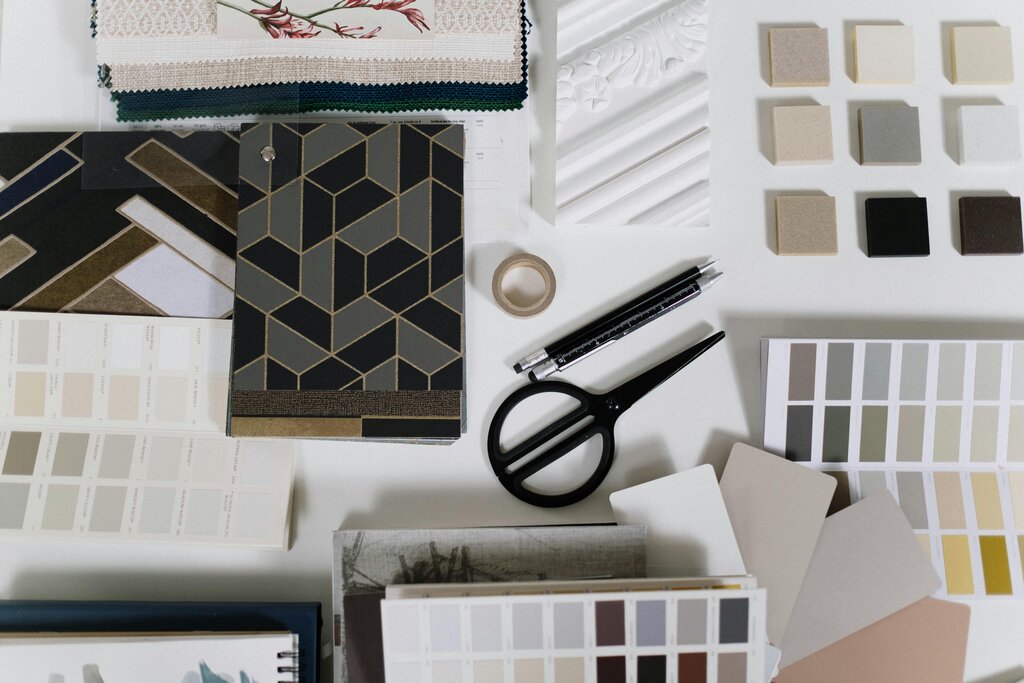
- Sourcing and Specifying: Selecting materials, finishes, furniture, lighting, and textiles that fit the design concept, budget, and functional requirements.
- Project Management: Coordinating with architects, contractors, and suppliers to ensure the design is built as planned, on time, and within budget.
- Ensuring Safety: Adhering to building codes and regulations, ensuring the space is safe and accessible for everyone.
How Design Shapes Our Lives
The impact of good interior design is profound. A well-designed office can boost productivity and employee well-being. A thoughtfully planned hospital room can aid in patient recovery. A comfortable and welcoming home can be a sanctuary from the stresses of daily life.
Poor design can have the opposite effect. A cluttered retail store can be frustrating to navigate, causing customers to leave. An office with poor lighting can lead to eye strain and headaches. A home layout that doesn't fit a family's lifestyle can create daily friction.
Every decision, from the colour of a wall to the height of a countertop, influences how we feel and behave in a space. This is the real power and responsibility of interior design: to create environments that not only look beautiful but also support and enhance our lives.
Now that you understand the fundamentals of what interior design is, let's test your knowledge.
At its core, interior design is best described as:
Which historical development was a major factor in the emergence of interior design as a formal profession?