Foundations of Information Literacy
Introduction to Information Literacy
Beyond the Search Bar
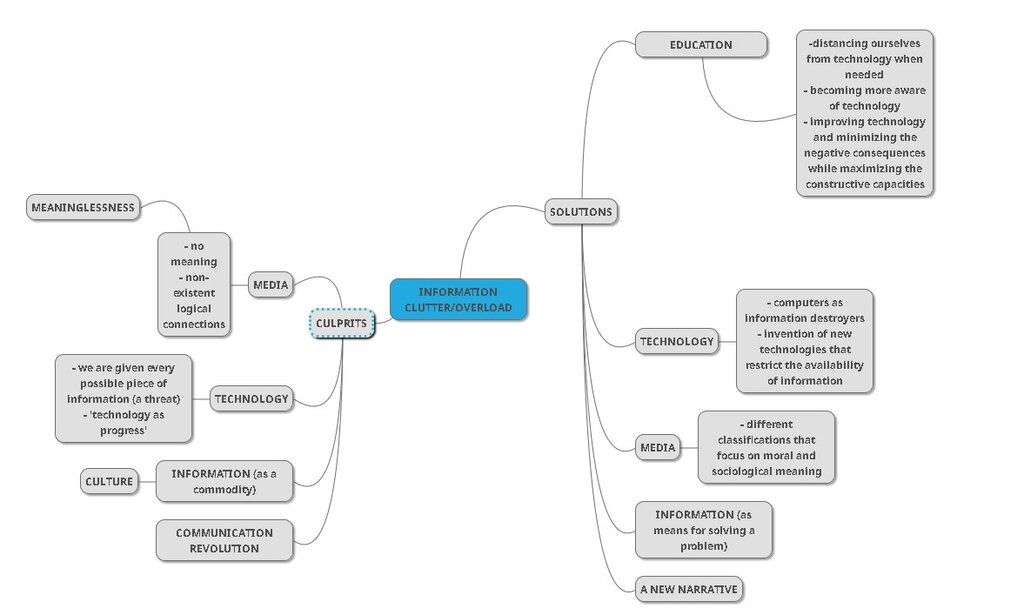
We are surrounded by information. It comes at us from social media, news sites, academic journals, and conversations with friends. But how do we make sense of it all? How do we know what to trust, what to use, and what to ignore? This is where information literacy comes in.
Think of it like being a chef. A chef doesn't just grab the first ingredient they see. They know where to find the freshest produce, how to judge the quality of a cut of meat, and how to combine different ingredients to create a delicious meal. Information literacy is the same idea, but with information. It’s the skill set that helps you find, evaluate, and use information effectively and ethically.
Information Literacy
noun
The set of integrated abilities encompassing the reflective discovery of information, the understanding of how information is produced and valued, and the use of information in creating new knowledge and participating ethically in communities of learning.
Without these skills, we're navigating a flood of data without a map. We might fall for misinformation, make poor decisions based on faulty evidence, or struggle to build a convincing argument. In a world with endless information, knowing how to sort through the noise is a superpower.
A Skill for Life
Information literacy isn't just for writing research papers. It's a practical skill that applies to every area of your life.
In your academic life, it helps you find credible sources, understand complex topics, and build strong arguments supported by evidence. It's the foundation of genuine learning.
In your professional life, you might need to research a new market, understand a competitor's strategy, or learn a new software. Strong information literacy skills make you a more capable, adaptable, and valuable employee.
In your personal life, it empowers you to make informed decisions about your health, finances, and civic duties. From understanding a medical diagnosis to researching political candidates, being information literate helps you navigate the world with confidence.
Whether you're a student, a professional, or just a curious person, the ability to work with information is fundamental to your success.
The Basic Toolkit
So, what does it actually mean to be information literate? It boils down to a cycle of core skills. You don't just perform these once; you move between them as you explore a topic.
Here's a quick look at each step:
-
Find: This is about knowing where to look for information. It's moving beyond a simple web search to use databases, libraries, and other specialized sources to locate relevant data.
-
Evaluate: Once you've found information, you need to assess it. Is the source credible? Is the author an expert? Is the information current and relevant to your needs? Is there any bias?
-
Use: This involves synthesizing the information you've gathered. You might incorporate it into an essay, use it to make a decision, or create something new. This step is about turning information into knowledge.
-
Attribute: A key part of using information ethically is giving credit to the original creators. This means citing your sources properly and avoiding plagiarism.
Mastering these skills allows you to engage with the world more critically and thoughtfully. It's a journey that transforms you from a passive consumer of information into an active and responsible user.