Foundations of Human Behavior and Mind
Introduction to Psychology
What Is Psychology?
At its heart, psychology is the scientific study of how we think, feel, and act. It explores the inner world of the mind and the outward expression of our behavior.
Psychology
noun
The scientific study of behavior and mental processes.
Let's break that down. Behavior is anything we do that can be observed and recorded, like talking, smiling, or crying. Mental processes are our internal, private experiences, such as thoughts, beliefs, feelings, and memories. Psychology uses scientific methods to investigate both of these aspects, trying to understand why people do the things they do.
From Philosophy to Science
For thousands of years, questions about the mind were the domain of philosophy. Thinkers like Aristotle and Plato pondered the nature of consciousness, memory, and learning. They relied on logic and personal observation to form their ideas. But they lacked a key ingredient: a systematic way to test those ideas.
Everything changed in the late 19th century. Psychology began to emerge as its own distinct field, separate from philosophy and biology. The turning point came in 1879, when a German professor named Wilhelm Wundt opened the first-ever experimental psychology laboratory at the University of Leipzig.
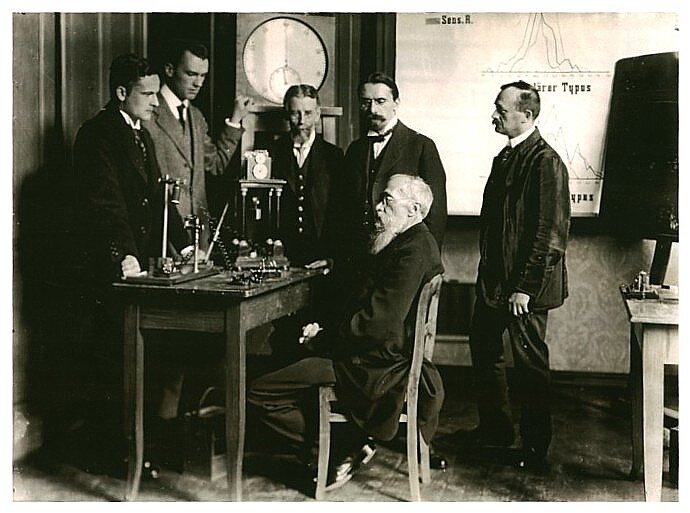
Wundt wasn't just thinking about the mind anymore; he was measuring it. He and his students conducted experiments on topics like reaction times and sensory perception. This shift from pure reasoning to careful observation and measurement marked the birth of psychology as a science.
Major Milestones
After Wundt, the new field of psychology exploded with new ideas and approaches. In the early days, different "schools of thought" competed to define the field. Structuralism, championed by Wundt's student Edward Titchener, tried to break down mental processes into their most basic components. Functionalism, influenced by Charles Darwin, focused on how mental processes help us adapt and survive.
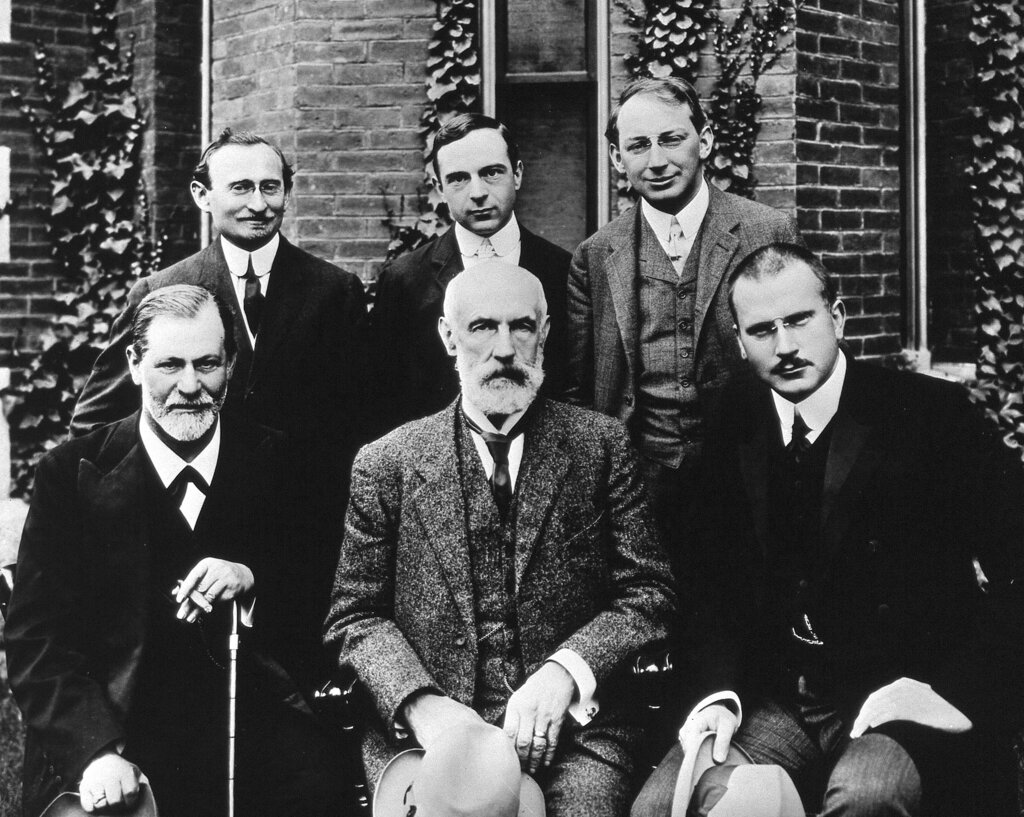
Then came one of the most famous figures in psychology, Sigmund Freud. His theory of psychoanalysis, which emerged around the turn of the 20th century, emphasized the role of the unconscious mind in shaping behavior.
In the early 20th century, behaviorism took hold, arguing that psychology should only study observable behavior, not internal mental states. Later, the cognitive revolution in the 1960s brought the focus back to mental processes like thinking, memory, and problem-solving, but with new, more rigorous scientific methods.
The Importance of Empirical Research
So, what makes modern psychology a science? The answer is its reliance on empirical research. Instead of just guessing or relying on intuition, psychologists collect data through careful observation and experimentation. This commitment to evidence is what separates psychology from pseudoscience and folk wisdom.
Empirical research means basing conclusions on direct, systematic observation rather than on speculation or traditional beliefs.
This scientific approach allows psychologists to describe, explain, predict, and sometimes change behavior and mental processes. By designing studies, collecting data, and analyzing the results, researchers can test ideas about the human mind in a way that is objective and verifiable. It’s this rigorous process that helps us build a reliable and ever-growing understanding of ourselves.
Now, let's test your knowledge of these foundational concepts.