Foundations of Historical, Philosophical, and Journalistic Writing
Introduction to Research Methods
Finding Your Footing
Good writing in history, philosophy, and journalism starts long before you type the first word. It begins with solid research. Think of yourself as a detective. Your job is to gather clues, evaluate their reliability, and piece them together to tell a compelling story or make a strong argument. The clues you'll work with are called sources.
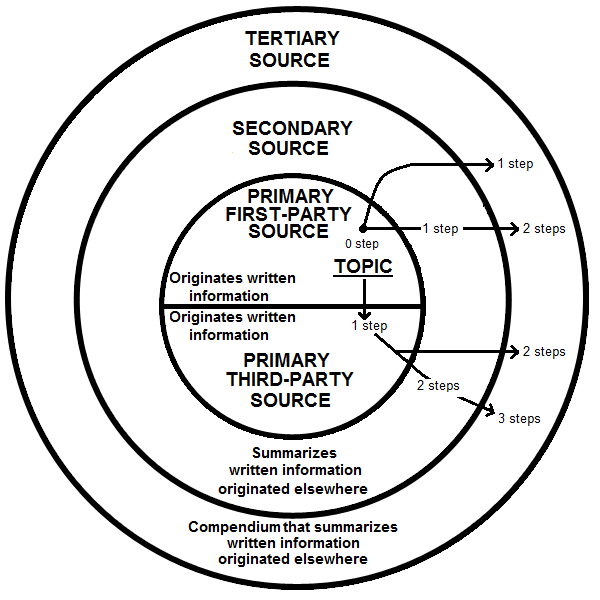
An important part of historical research is the use of primary and secondary sources.
Sources fall into two main categories: primary and secondary. Understanding the difference is crucial for building a credible foundation for your work.
Primary Source
noun
A firsthand account or raw data from the time period you are studying. It is an original document or object created at the time of the event.
Primary sources are the raw materials of your investigation. They include letters, diaries, photographs, government records, eyewitness newspaper articles, speeches, and original works of art or literature. They give you a direct window into the past or the event you're covering.
Secondary Source
noun
An analysis, interpretation, or summary of primary sources. It is created after the event by someone who was not there.
Secondary sources are one step removed from the original event. They are works that analyze or build upon primary sources. Think of scholarly books, journal articles, documentary films, and encyclopedia entries. These sources provide context and expert interpretation, helping you understand the bigger picture.
Evaluating Your Evidence
Not all sources are created equal. Once you've gathered some, you need to put on your critic's hat. Evaluating source credibility is about asking the right questions to determine if a source is trustworthy and useful for your work.
Approach every source with healthy skepticism. Ask who created it, why they created it, and who they created it for.
Consider the author's expertise. Is this person a recognized authority on the subject? A historian who spent twenty years studying ancient Rome likely has more credibility than a random blogger.
Look for bias. Every source has a point of view. A political speech is designed to persuade, not just inform. A company's press release will highlight its successes, not its failures. Identifying bias doesn't mean you can't use the source, but it does mean you need to be aware of its perspective and balance it with other viewpoints.
Check the publication date. Is the information current? For a historical topic, this might be less important. But for a journalistic piece on a recent event, using outdated information can undermine your entire story.
Finally, corroborate the information. Can you find other independent sources that say the same thing? If multiple, reliable sources report a fact, you can be more confident that it's accurate.
Organizing Your Clues
Research can generate a lot of information. Without a system, you'll quickly find yourself drowning in a sea of facts, quotes, and citations. Effective note-taking is your lifeboat.
| Method | Description | Best For |
|---|---|---|
| Cornell Method | Divide paper into Cues, Notes, and Summary. | Structuring lecture or reading notes. |
| Outlining | Organize information hierarchically with main points and sub-points. | Planning the structure of your paper. |
| Mind Mapping | Start with a central idea and branch out with related concepts. | Brainstorming and connecting ideas visually. |
| Digital Tools | Use apps like Notion, Evernote, or Zotero to tag and organize notes. | Managing a large volume of digital sources. |
Whichever method you choose, always do one thing: record where you got the information. For every note you take, write down the author, title, publication details, and page number. This simple habit will save you from a major headache when it's time to write your bibliography and cite your sources.
Researching with Integrity
Ethical considerations are at the heart of good research. The goal is to be honest and transparent with your readers and respectful of your sources.
The most important ethical rule is to avoid plagiarism. Plagiarism is presenting someone else's work or ideas as your own. Always give credit where it's due by citing your sources properly.
It's also crucial to represent your sources accurately. Don't twist quotes or take them out of context to fit your argument. Your job is to present the evidence fairly, even if it challenges your own ideas.
Finally, when dealing with human subjects, like in interviews for a journalism piece, respect their privacy and get their consent. Honesty, respect, and accuracy are the pillars of ethical research.
Ready to test your knowledge? Let's see what you've learned about the fundamentals of research.
Which of the following is an example of a primary source?
You are writing an article about a new tech company. Which of the following sources would likely have the most significant bias?
With these foundations, you're ready to start your own investigations. Happy researching!