Foundations of Healthy Weight Management
Energy Balance
The Energy Equation
Think of your body's energy like a bank account. The currency isn't money, but calories. The food and drinks you consume are deposits, and the energy you burn is a withdrawal. This relationship is called energy balance.
When the body absorbs and stores more daily calories than it expends, it creates a positive energy balance.
There are three possible states to this balance:
- Energy Equilibrium: You burn roughly the same number of calories that you consume. Your weight stays stable.
- Caloric Surplus: You consume more calories than you burn. The extra energy is stored, leading to weight gain.
- Caloric Deficit: You burn more calories than you consume. Your body uses its stored energy to make up the difference, leading to weight loss.
Where Your Calories Go
Your body is always burning calories, even when you're binge-watching a show on the couch. This constant energy use is called your total daily energy expenditure (TDEE). It's made up of three main parts.
Metabolism
noun
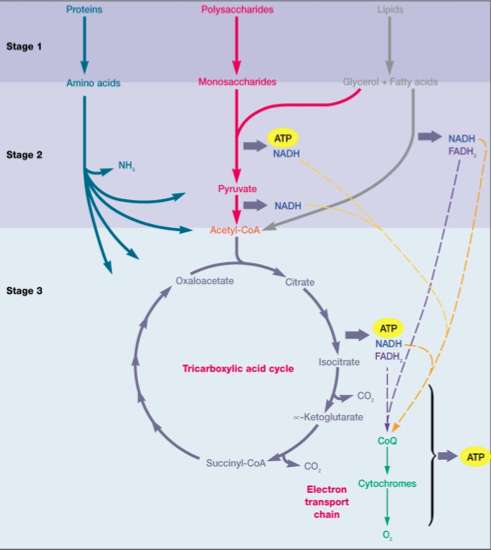
The set of chemical reactions in our bodies that convert food into the energy needed for us to move, think, and grow.
1. Basal Metabolic Rate (BMR) This is the energy your body needs to perform its most basic, life-sustaining functions: breathing, circulating blood, regulating body temperature, and cell production. It’s the biggest piece of the pie, accounting for about 60-75% of the calories you burn each day.
2. Thermic Effect of Food (TEF) Your body uses energy to digest, absorb, and store the nutrients in the food you eat. This process accounts for about 10% of your daily calorie expenditure. Interestingly, protein has a higher thermic effect than carbohydrates or fats, meaning your body burns more calories processing it.
3. Physical Activity This is the most variable part of the equation. It includes everything from a planned workout at the gym to walking up the stairs or even just fidgeting at your desk. This non-exercise activity, called Non-Exercise Activity Thermogenesis (NEAT), can have a surprisingly large impact on your total daily energy burn.
Estimating Your Daily Needs
So how do you figure out your personal energy needs? You can estimate your BMR and then account for your activity level. The Mifflin-St Jeor equation is a widely used formula for this.
Once you have your BMR, you multiply it by an activity factor to estimate your total daily energy needs.
| Activity Level | Multiplier | Description |
|---|---|---|
| Sedentary | 1.2 | Little or no exercise |
| Lightly active | 1.375 | Light exercise/sports 1-3 days/week |
| Moderately active | 1.55 | Moderate exercise/sports 3-5 days/week |
| Very active | 1.725 | Hard exercise/sports 6-7 days a week |
| Extra active | 1.9 | Very hard exercise, physical job & training |
For example, a 30-year-old woman who is 165 cm tall, weighs 60 kg, and is lightly active would have a BMR of about 1,327 calories. Her estimated daily need would be calories.
Remember, this is just an estimate. Many factors influence your metabolism, including genetics, body composition (muscle burns more calories than fat), and hormones. Your actual needs may be higher or lower.
Understanding the basics of energy balance gives you a framework for thinking about nutrition and weight. It's not about being perfect, but about recognizing the relationship between the energy you take in and the energy you use.
Which of the following describes a state of 'caloric deficit'?
What is the largest component of your total daily energy expenditure (TDEE)?