Foundations of Healthy Eating
Macronutrients Explained
The Big Three Macronutrients
Food is composed of three main building blocks that provide your body with energy and the raw materials for growth and repair. These are the macronutrients: carbohydrates, proteins, and fats. Each one plays a unique and vital role in keeping you functioning at your best.
Macronutrients are the three main categories of nutrients that provide energy and support growth and maintenance of the body.
Carbohydrates Energy Fuel
Carbohydrates are the body's preferred source of fuel. When you eat carbs, your body breaks them down into glucose, a type of sugar that your cells use for immediate energy. They are broadly categorized into two types: simple and complex.
Simple carbohydrates are sugars. They are digested quickly, providing a rapid burst of energy. Think of the sweetness in fruits (fructose), milk (lactose), and table sugar (sucrose).
Complex carbohydrates are starches and fibers. They are made of longer chains of sugar molecules and take more time to break down, providing a more sustained release of energy. Sources include whole grains, legumes, and starchy vegetables like potatoes.
Fiber is a unique type of carbohydrate that the body can't digest. It plays a crucial role in digestive health.
- Soluble fiber dissolves in water to form a gel-like substance. It can help lower blood cholesterol and glucose levels. Oats, beans, apples, and citrus fruits are good sources.
- Insoluble fiber does not dissolve in water. It promotes the movement of material through your digestive system and increases stool bulk. Whole-wheat flour, nuts, and vegetables like cauliflower and green beans are high in insoluble fiber.
Proteins The Builders
Protein is essential for building and repairing tissues throughout the body, from your muscles and bones to your skin and hair. It's also critical for making enzymes and hormones. Proteins are made up of smaller units called amino acids linked together in long chains.
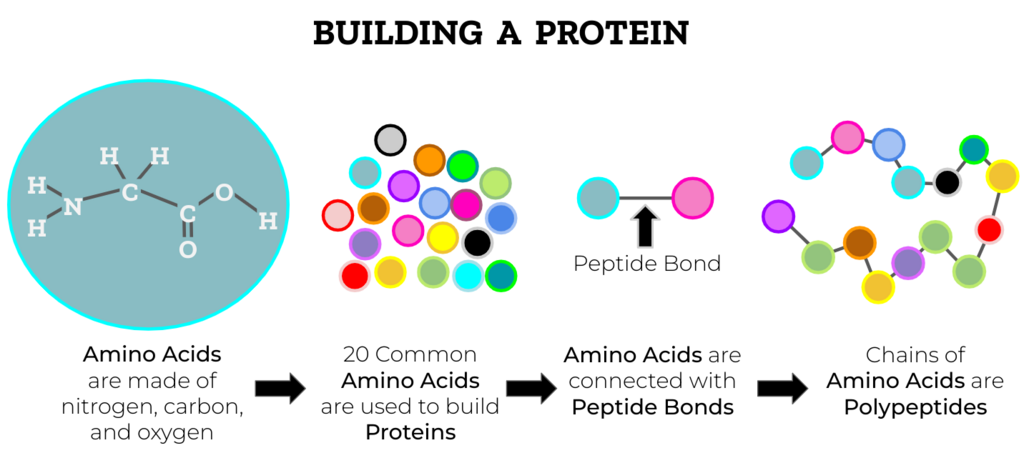
There are 20 different amino acids, and nine of them are considered essential amino acids. This means your body cannot produce them on its own, so you must get them from the food you eat.
A food's protein quality is determined by its amino acid profile.
- Complete proteins contain all nine essential amino acids in sufficient amounts. Animal products like meat, fish, dairy, and eggs are complete proteins, as are soy and quinoa.
- Incomplete proteins are missing or low in one or more of the essential amino acids. Most plant-based foods, such as beans, lentils, nuts, and grains, are incomplete proteins. However, by eating a variety of plant-based protein sources, you can easily get all the essential amino acids your body needs.
Fats Function and Form
Fats often get a bad reputation, but they are a crucial macronutrient. They serve as a major energy reserve, protect your organs, support cell growth, and help your body absorb certain vitamins (A, D, E, and K). The type of fat you consume is what really matters.
Unsaturated fats are considered heart-healthy fats. They are typically liquid at room temperature.
- Monounsaturated fats can be found in olive oil, avocados, and nuts like almonds and pecans.
- Polyunsaturated fats include sources like walnuts, sunflower seeds, and fatty fish. This category includes the essential omega-3 and omega-6 fatty acids, which the body cannot make on its own.
Saturated fats are found primarily in animal products like red meat and full-fat dairy, as well as in tropical oils like coconut and palm oil. They are typically solid at room temperature. While not inherently bad, they should be consumed in moderation as part of a balanced diet.
Trans fats are a type of fat to avoid. Most trans fats are created through an industrial process called hydrogenation, which turns liquid oils into solids. They are found in many fried foods, baked goods, and processed snacks. Trans fats raise bad cholesterol levels (LDL) and lower good cholesterol levels (HDL), increasing the risk of heart disease.
| Macronutrient | Primary Role | Common Dietary Sources |
|---|---|---|
| Carbohydrates | Main energy source | Grains, fruits, vegetables, legumes |
| Protein | Build and repair tissue | Meat, poultry, fish, dairy, beans, nuts |
| Fat | Energy storage, hormone production | Oils, avocados, nuts, seeds, fatty fish |
Now, let's test your understanding of these core components of nutrition.
What is the body's preferred and most immediate source of energy?
Which of the following is a plant-based source of complete protein, containing all nine essential amino acids?
Understanding the roles of carbohydrates, proteins, and fats is the first step toward building a balanced and healthy diet that fuels your body effectively.