Foundations of Health and Fitness
Introduction to Health and Fitness
What Are Health and Fitness?
People often use the words “health” and “fitness” interchangeably, but they mean slightly different things. Understanding the distinction is the first step toward improving both.
Health
noun
A state of complete physical, mental, and social well-being, not merely the absence of disease or infirmity.
Health is the big picture. It’s about your body functioning well, your mind being clear and resilient, and your social connections being strong. It's the overall foundation of your well-being.
Fitness
noun
The ability to carry out daily tasks with vigor and alertness, without undue fatigue, and with ample energy to enjoy leisure-time pursuits and meet unforeseen emergencies.
Fitness, on the other hand, is more about physical capability. It’s a measure of how well your body can perform tasks, from walking up a hill to playing a sport. Think of fitness as a key component of your overall physical health.
The Benefits Package
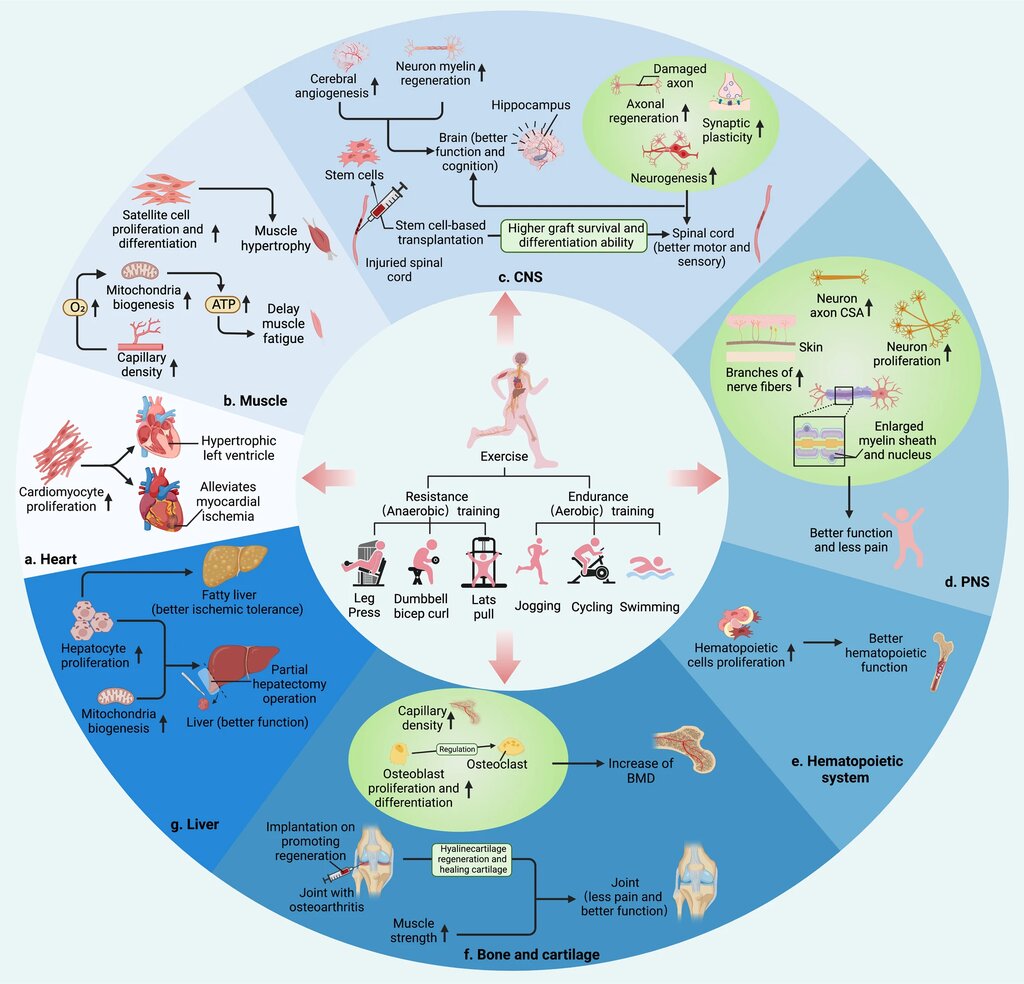
Adopting a healthy lifestyle is like signing up for a comprehensive benefits package. The perks go far beyond just looking better. Regular physical activity and good nutrition work together to transform your body and mind.
Here are some of the key advantages:
- More Energy: It might seem counterintuitive, but using energy through exercise actually gives you more energy in the long run. Improved cardiovascular health means your body delivers oxygen and nutrients more efficiently.
- Stronger Body: Physical activity strengthens your bones, muscles, and joints. This reduces your risk of injury and helps you stay mobile and independent as you age.
- Disease Prevention: A healthy lifestyle is one of the best defenses against chronic diseases like heart disease, type 2 diabetes, and certain types of cancer.
- Improved Mood: Exercise is a powerful mood booster. It releases endorphins, which are natural chemicals that reduce stress and trigger positive feelings.
- Better Sleep: Regular physical activity can help you fall asleep faster and enjoy deeper, more restful sleep.
Risks of an Unhealthy Lifestyle
Just as a healthy lifestyle has benefits, an unhealthy one has significant risks. Inactivity and poor nutrition can have serious, long-term consequences for your health.
A sedentary lifestyle, meaning one with a lot of sitting and lying down, is linked to a higher risk of becoming overweight or obese. This, in turn, increases the likelihood of developing high blood pressure, high cholesterol, and other cardiovascular problems.
Consuming more calories than you burn, especially from processed foods high in sugar and unhealthy fats, leads to weight gain and can deprive your body of the essential nutrients it needs to function properly.
The combined effect of a poor diet and lack of exercise puts immense strain on your body. It can lead to a weakened immune system, making you more susceptible to illness, and can also negatively impact your mental health, contributing to feelings of anxiety and depression.
Simple Guidelines to Start
Getting started doesn't require a drastic overhaul of your life. The key is to make small, sustainable changes. Here are the basic guidelines for physical activity and nutrition.
For adults, the general recommendation for physical activity is to aim for at least 150 minutes of moderate-intensity aerobic activity or 75 minutes of vigorous-intensity aerobic activity per week.
What does that mean in practice? Moderate activity gets your heart rate up, and you can still talk but not sing. Think of a brisk walk, a casual bike ride, or water aerobics. Vigorous activity makes you breathe hard and fast; you'll only be able to speak a few words at a time. Examples include jogging, swimming laps, or playing basketball.
You should also include muscle-strengthening activities, like lifting weights or doing bodyweight exercises, on two or more days a week.
When it comes to nutrition, a good starting point is to focus on eating a variety of whole foods. This means foods that are as close to their natural state as possible. A balanced plate typically includes:
- Protein: Essential for building and repairing tissues. Sources include meat, fish, beans, and nuts.
- Carbohydrates: Your body's main source of energy. Choose complex carbs like whole grains, vegetables, and fruits.
- Fats: Important for hormone production and vitamin absorption. Focus on healthy fats from sources like avocados, olive oil, and seeds.
Try to fill half your plate with fruits and vegetables, a quarter with lean protein, and a quarter with whole grains. And don't forget to drink plenty of water throughout the day.
Which statement best describes the difference between "health" and "fitness"?
According to the text, all of the following are benefits of a healthy lifestyle EXCEPT:
Remember, the goal is progress, not perfection. Every small, healthy choice you make is a step in the right direction.