Foundations of Health
Defining Health
More Than Not Being Sick
What does it mean to be healthy? For many people, the answer is simple: not being sick. If you don't have a cold, a broken bone, or a chronic illness, you're healthy. But this view is incomplete. It's like saying a car is in great shape simply because it's not currently broken down on the side of the road. Is the engine running smoothly? Is the fuel efficiency optimal? Is it safe to drive in all conditions?
True health is a much broader concept. It's not just a neutral state of non-illness, but a positive state of thriving. It’s about having the energy and capacity to live a full, active life.
Thinking of health as only the absence of disease is like describing light as only the absence of darkness.
Global organizations have worked to create a more complete picture. The most widely accepted definition comes from the World Health Organization (WHO), a specialized agency of the United Nations responsible for international public health.

“Health is a state of complete physical, mental and social well-being and not merely the absence of disease or infirmity.” — The World Health Organization
This definition, established in 1948, fundamentally changed how we talk about health. It presents it as a positive goal and a human right. Let's break down its three key components.
The Three Pillars of Well-Being
The WHO definition rests on three interconnected pillars: physical, mental, and social well-being. Each one is essential, and they all influence each other.
Physical Well-being
noun
The state of your body and its ability to perform its functions effectively. It involves having the energy and vitality to get through daily tasks without excessive fatigue or physical stress.
This is the pillar we most commonly associate with health. It’s about your body working as it should, free from illness and injury. But it also includes things like getting enough sleep, having good nutrition, and being physically active. It's the foundation that supports our ability to engage with the world.
Mental Well-being
noun
A state where you can realize your own abilities, cope with the normal stresses of life, work productively, and contribute to your community.
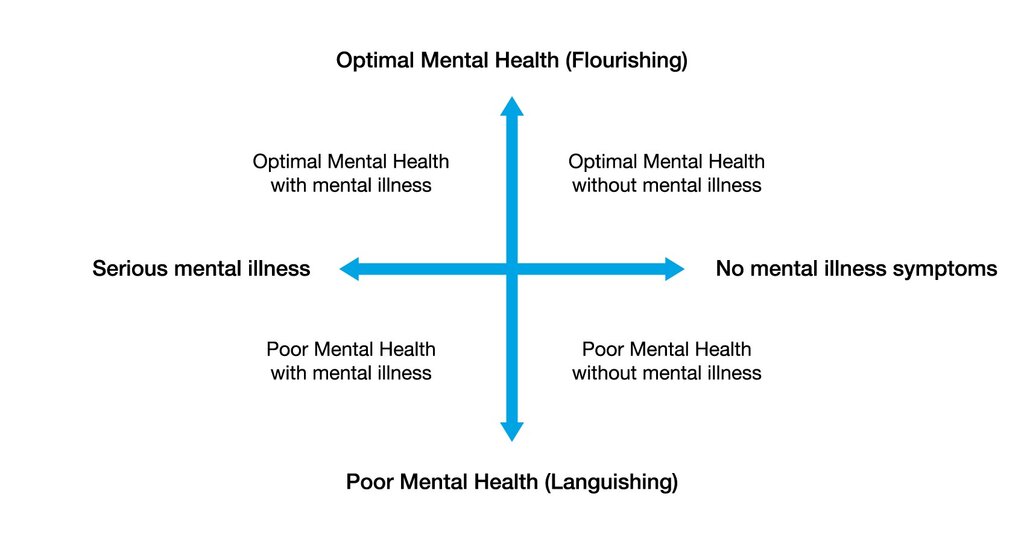
Just as physical health is more than the absence of disease, mental well-being is more than the absence of a mental disorder. It encompasses your emotional and psychological state. It’s about resilience, self-esteem, and the ability to feel and express a range of emotions. Someone can live without a diagnosed mental illness but still have poor mental well-being, a state often called "languishing."
Social Well-being
noun
The ability to form meaningful relationships with others and interact in positive, healthy ways. It involves having a supportive network of family and friends and feeling a sense of belonging within a community.
Humans are social creatures. Our connections with others are vital to our health. Social well-being is about the quality of our relationships and our integration into society. Feeling isolated or lacking a support system can have a significant negative impact on both mental and physical health.
A Complex Picture
Achieving this complete state of well-being isn't solely up to the individual. Our health is shaped by a wide web of factors. These influences can be grouped into a few broad categories.
- Individual Behaviors: These are the personal choices we make every day, like what we eat, how much we move, and whether we smoke or drink alcohol.
- Social and Economic Factors: This includes things like your income, your level of education, your job, and the support you get from your community. Access to resources and opportunities plays a huge role in health outcomes.
- Environmental Conditions: This covers the safety of the world around you, from the air you breathe and the water you drink to the quality of your housing and the safety of your neighborhood.
Understanding health requires looking at this bigger picture. It’s a dynamic balance between our bodies, our minds, our relationships, and the world we inhabit. This broad definition provides the foundation for exploring how all these different pieces fit together to shape our overall well-being.
According to the World Health Organization (WHO), health is best defined as:
The WHO's comprehensive definition of health rests on three interconnected pillars. Which of the following is NOT one of these core pillars?