Foundations of Hatha Yoga
Introduction to Hatha Yoga
The Path of Balance
When you hear the word “yoga” in the West, you probably picture someone stretching into a specific pose. Most of what we call yoga today is actually a specific style called Hatha Yoga. But it’s much more than just a physical workout; it’s a system for bringing balance to the body and mind.
The word “Hatha” is derived from two Sanskrit words: “Ha,” which means sun, and “Tha,” which means moon.
This name gets to the heart of its philosophy. Hatha Yoga is about uniting opposing forces: the active, hot energy of the sun (Ha) with the calm, cool energy of the moon (Tha). Think of it like balancing effort and ease, strength and flexibility, or action and stillness. The goal isn't just to master a pose, but to find a state of harmony within yourself.
Forceful, Willful
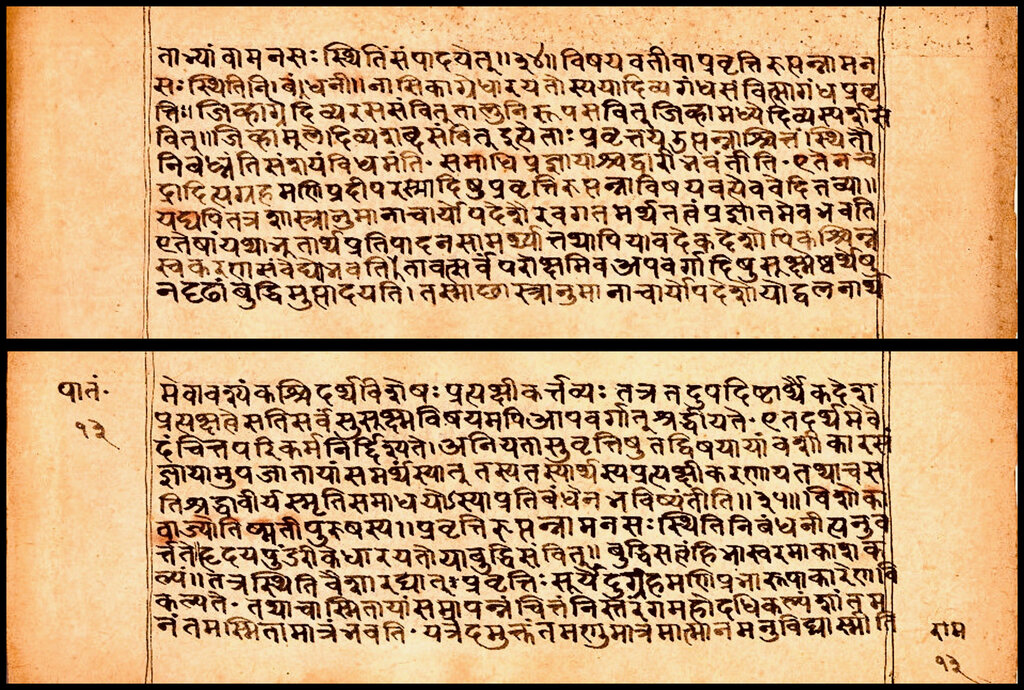
Historically, Hatha Yoga emerged in India around the 11th century. Its early practitioners developed physical techniques as a way to prepare the body for long periods of meditation. They discovered that by purifying the body and controlling their breath, they could quiet the constant chatter of the mind. This made it easier to reach deeper states of consciousness.
The Building Blocks
Hatha Yoga uses a few core tools to create this internal balance. The two most fundamental are asana and pranayama.
Asana
noun
A physical posture or pose held in yoga.
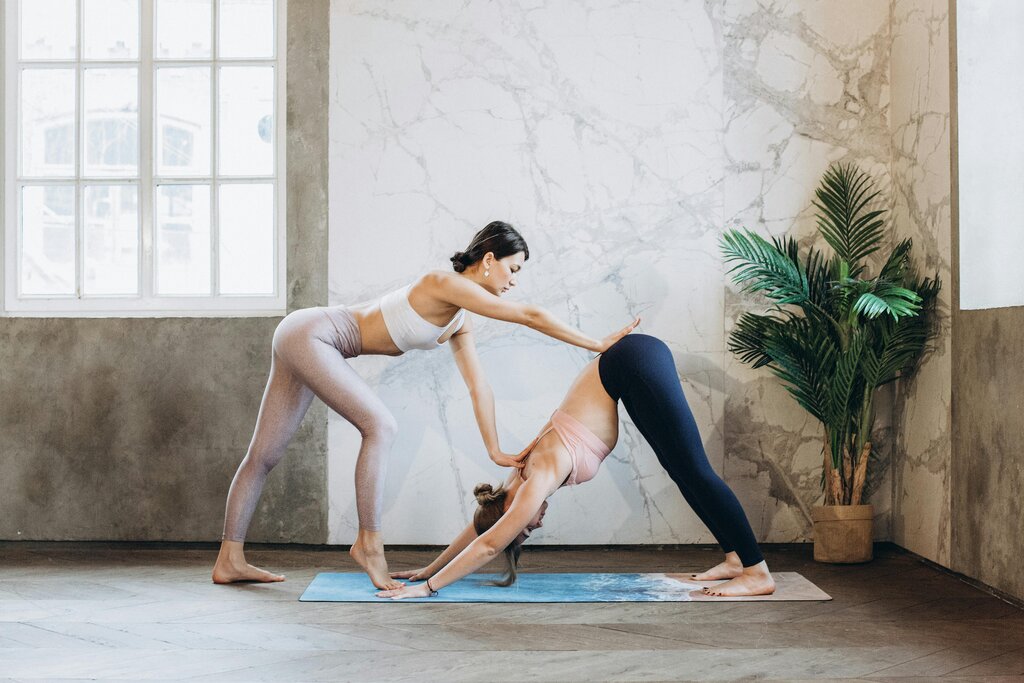
Asanas are the physical postures we associate with yoga, like Downward-Facing Dog or Warrior Pose. Originally, the term simply meant "seat," referring to the stable, comfortable position a person would take for meditation. Over time, it evolved to include a wide range of poses designed to build strength, increase flexibility, and release physical tension. Each pose works on the body in a specific way, helping to align the skeleton, tone muscles, and improve organ function.
The second key component is breath control.
Pranayama
noun
The practice of controlling the breath, which is the source of our prana, or vital life force.
In yogic philosophy, breath is much more than just air. It’s considered the carrier of prana, our vital life energy. Pranayama involves various breathing techniques that can energize or calm the body, focus the mind, and influence our emotional state. By learning to regulate the breath, a practitioner learns to regulate their own energy and mental state.
By uniting these physical and energetic practices, Hatha Yoga creates a powerful mind-body connection. The body becomes a tool for influencing the mind, and the mind becomes a tool for understanding the body.
A Foundation for Stillness
Ultimately, the physical practices of Hatha Yoga serve a higher purpose: to prepare the practitioner for meditation. It's difficult to sit still and focus when your body is uncomfortable and your mind is racing. Hatha Yoga addresses these challenges directly.
The asanas release physical restlessness and tension, allowing the body to be still without discomfort. Pranayama helps to slow the stream of thoughts, making the mind less distractible. Together, they create a stable and calm foundation, allowing a person to turn their attention inward without being pulled away by physical or mental noise.
This makes Hatha a gateway practice. It offers a tangible starting point—the body and the breath—for the more subtle and internal work of meditation and self-exploration. It’s a path to wellness that integrates all aspects of our being.
Ready to check your understanding?
What is the philosophical meaning behind the name "Hatha" in Hatha Yoga?
According to the text, what is the primary historical purpose of practicing asanas and pranayama?
By understanding these principles, you can see that Hatha Yoga is more than exercise. It's a holistic practice aimed at creating harmony.