Foundations of Global Martial Arts
Striking Systems Mechanics
Power from the Ground Up
Power in striking doesn't come from just the arm or leg. It starts from the floor. Think of a whip; the energy flows from the handle all the way to the tip. In martial arts, your body is that whip, and the ground is the handle. This principle is called kinetic linking (or the kinetic chain), and it's how a fighter generates devastating force.
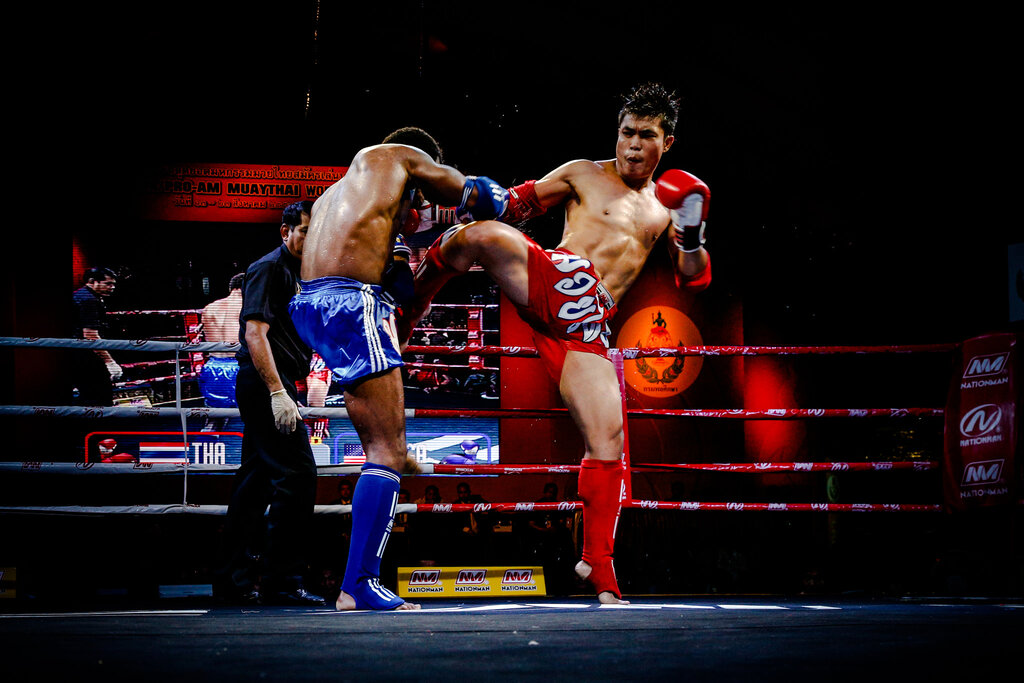
Muay Thai is a masterclass in this concept. When a Thai boxer throws a roundhouse kick, they don't just swing their leg. They pivot on their standing foot, rotate their hips violently, and let that rotational energy travel up through their core and into the striking shin. The entire body acts as a single, coordinated unit. This is why a relatively small fighter can generate knockout power. They aren't just using muscle; they're using physics, turning their whole body into a lever.
Stance Dictates Strategy
A fighter's stance is their home base. It's not just a way of standing; it's a direct reflection of their art's philosophy and primary weapons. Two fundamental stances illustrate this perfectly: the squared stance of Muay Thai and the bladed stance of Western boxing.
A Muay Thai fighter stands more square, with their feet wider apart and weight more evenly distributed. This solid base is crucial for delivering powerful kicks with either leg and for checking incoming low kicks without losing balance. The hips are open and ready to rotate into a strike at a moment's notice.
A boxer, on the other hand, adopts a bladed stance. They stand with their non-dominant side forward, presenting a smaller target to their opponent. This stance maximises the reach of their jab and keeps their power hand coiled and ready to fire. It's built for hand-based offense and elusive head movement.
| Stance | Primary Advantage | Primary Disadvantage |
|---|---|---|
| Squared (Muay Thai) | Powerful kicks from either leg; stable base for checking kicks. | Larger target for straight punches; less mobile head. |
| Bladed (Boxing) | Smaller target; maximises jab reach; facilitates head movement. | Vulnerable to low kicks; telegraphs roundhouse kicks. |
Defense Defines the Art
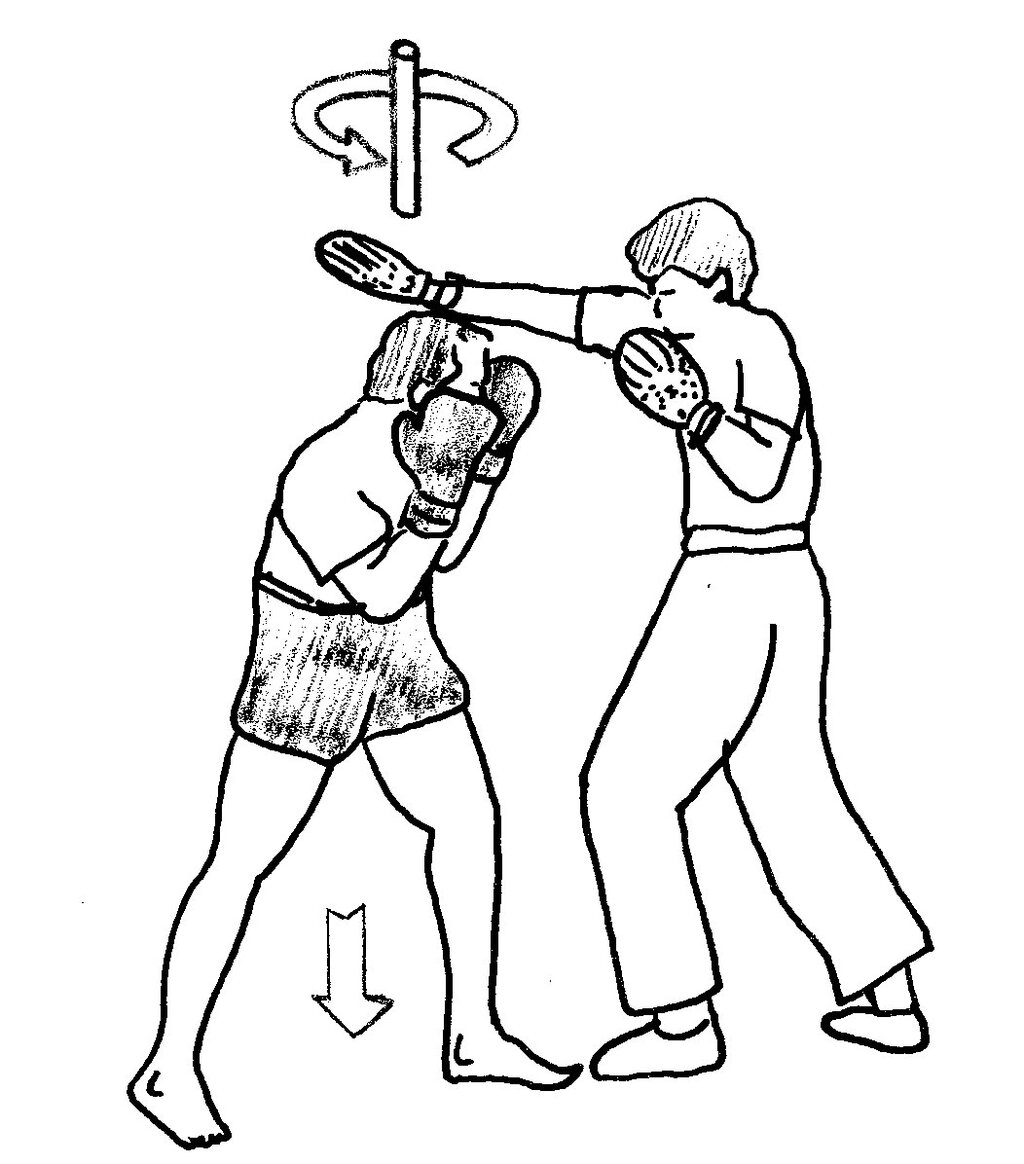
How a fighter defends is a direct result of their stance and the attacks they expect. In boxing, where the only weapons are punches, the premier defense is slipping. From a bladed stance, a boxer can make subtle shifts with their head and torso, causing punches to sail harmlessly past. It's a game of inches, relying on timing and upper-body fluidity.
A Muay Thai fighter trying to slip punches constantly would be a sitting duck for a low kick. Their answer to attack is often more direct: the kick check. From their stable, squared stance, they simply lift their lead leg, turning their shin into a hard shield to intercept the opponent's kick. It’s a painful and effective deterrent that can injure the attacker and shut down their kicking game entirely.
These defensive choices aren't matters of preference; they are necessary adaptations to the rules and weapons of each sport.
Another defensive tool, particularly in Muay Thai and Dutch Kickboxing, is the . Instead of keeping both hands tight to the face like a boxer, a fighter extends their lead hand forward. This serves multiple purposes: it acts as a rangefinder, obstructs the opponent's vision, and serves as an early warning system for incoming strikes. It's a way of controlling the space between fighters before an attack is even launched.
According to the principle of the kinetic chain, where does the power for a devastating strike primarily originate?
What is the primary advantage of a boxer's bladed stance?
Understanding these mechanical differences reveals that each striking art is a complete system, where every element—from stance to strike to defense—is logically connected.