Foundations of Global Citizenship Education
Introduction to Global Citizenship
What Is a Global Citizen?
Being a citizen of a country is straightforward. You have a passport, you follow the laws, and you are part of a national community. But what does it mean to be a citizen of the world?
Global citizenship isn't about a world government or a single passport. It's a mindset. It’s the understanding that we live in an interconnected world and that our choices and actions can affect people and communities locally, nationally, and internationally.
A global citizen sees the world as one large, interdependent community. They understand that the big challenges we face, from climate change to public health, don't stop at national borders. This awareness leads to a sense of responsibility to contribute to a better world for everyone.
Global Citizen
noun
An individual who is aware of and understands the wider world and their place in it. They take an active role in their community and work with others to make our planet more peaceful, sustainable, and fair.
This way of thinking is at the heart of Global Citizenship Education (GCED). The goal of GCED is to equip learners of all ages with the values, knowledge, and skills to tackle global challenges and become proactive contributors to a more inclusive and sustainable world.
A Brief History of the Idea
The idea of being a citizen of the world isn't new. Ancient Greek philosophers called themselves kosmopolitês, or 'citizens of the cosmos'. They believed that their primary allegiance was to the worldwide community of humanity.
This concept has evolved over centuries, but it gained significant momentum in the 20th century. The devastation of two world wars made it clear that global cooperation was necessary for survival. The creation of the United Nations in 1945 was a major step, establishing a platform for nations to work together on shared problems. Shortly after, the Universal Declaration of Human Rights laid out fundamental rights and freedoms for all people, everywhere, reinforcing the idea of a shared human identity.
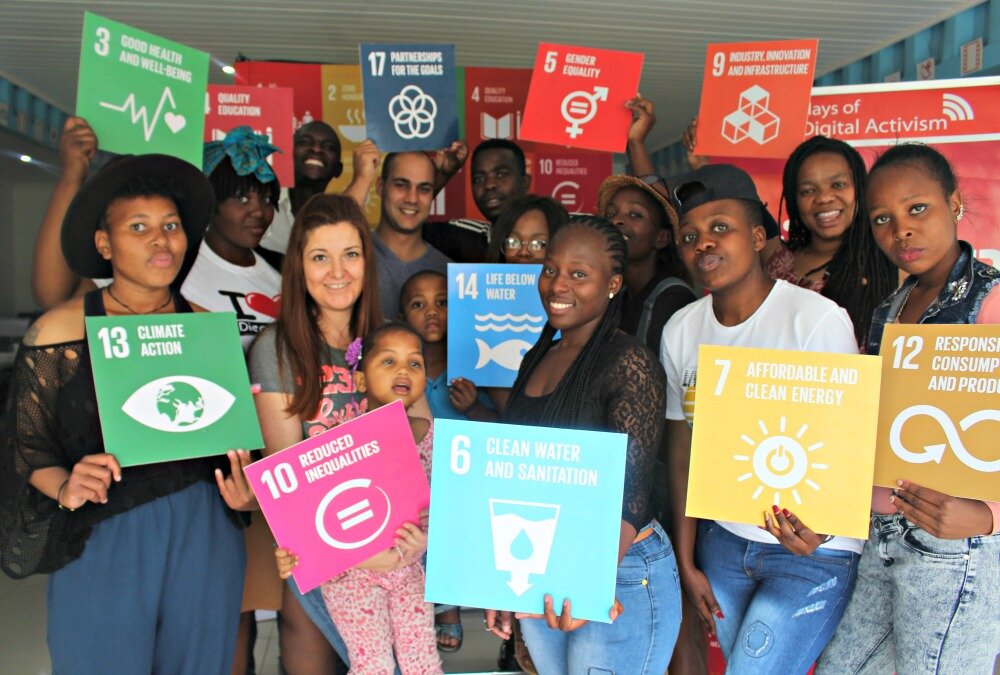
In recent decades, organizations like UNESCO have formally promoted Global Citizenship Education. They recognize that to solve global problems, we need people who are educated about them and feel empowered to act.
Why It Matters Now
Today, our lives are more globally linked than ever before. The food we eat, the technology we use, and the air we breathe connect us to people across the planet. This interconnectedness means that local problems can have global consequences, and vice-versa.
Think about a pandemic. A health crisis in one part of the world can quickly become a global emergency. Similarly, pollution from one country affects the climate for all. These challenges require us to think and act beyond our immediate surroundings.
Being a „Global Citizen“ would undoubtedly have an idealistic-pragmatic significance, expressed through an attitude of interest, openness, compassion, engagement, and responsibility as a potentially cross-border civic activity.
Global citizenship gives us a framework for understanding and addressing these complex issues. It encourages critical thinking, empathy, and a commitment to collective well-being. It's about recognizing our shared humanity and working together to build a future that is fair and sustainable for all.
Your Role and Responsibilities
Being a global citizen isn't just about understanding the world; it’s about participating in it. This participation can take many forms, and you don’t need to be a diplomat or world leader to make a difference.
The responsibilities of a global citizen include:
-
Staying Informed: Understanding major global issues and how they connect to your own life.
-
Respecting Diversity: Appreciating different cultures, beliefs, and perspectives, and promoting inclusivity.
-
Thinking Critically: Questioning injustices and inequalities, and challenging stereotypes.
-
Taking Action: Making ethical choices as a consumer, advocating for change in your community, and participating in efforts to address global challenges.
Essentially, the role of a global citizen is to be a responsible member of the global community, starting with your own local actions.
These responsibilities aren't a burden. They are an invitation to engage with the world in a more meaningful way, contributing to a shared future that is more peaceful, just, and sustainable for everyone.
Ready to test your understanding? This quiz will help you check what you've learned about the foundations of global citizenship.
What is the core concept of global citizenship?
The ancient Greek philosophers who saw themselves as 'citizens of the cosmos' used which term to describe this idea?
Understanding global citizenship is the first step. It's about shifting your perspective to see how you fit into the larger global picture.