Foundations of Fitness and Nutrition
Introduction to Nutrition
The Building Blocks of Health
Everything you eat contains nutrients that your body uses to function. Think of your body as a complex machine. Just like a car needs fuel, oil, and various fluids to run smoothly, your body needs a mix of different nutrients to operate at its best. These nutrients are divided into two main categories: macronutrients and micronutrients.
Macronutrients are the main components of foods like carbohydrates, protein, fiber, cholesterol, and fats — resources we need daily and in large quantities.
You need macronutrients in large amounts—that's what the "macro" prefix means. They provide your body with energy, measured in calories, and are the primary building materials for growth and repair.
Micronutrients, on the other hand, are needed in much smaller quantities. The "micro" prefix gives that away. While they don't provide energy directly, they are essential for nearly every process in your body, from fighting infections to converting food into usable energy.
The Big Three Macronutrients
There are three types of macronutrients: carbohydrates, proteins, and fats. Each one plays a unique and vital role.
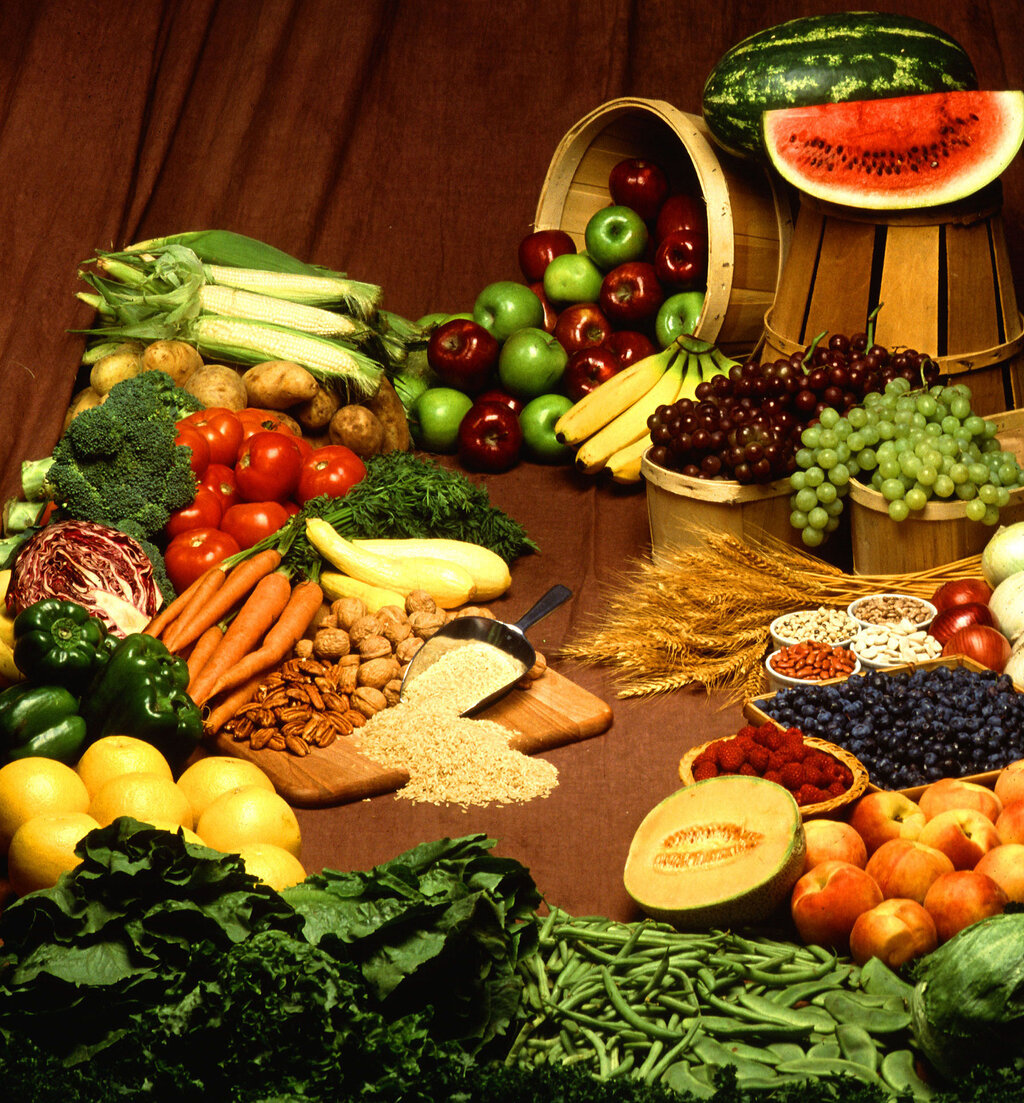
Carbohydrates are your body's main source of fuel. When you eat carbs, your body breaks them down into glucose, a type of sugar that your cells use for immediate energy. Your brain, in particular, relies heavily on glucose to function. Good sources include fruits, vegetables, whole grains, and legumes.
Proteins are the primary building blocks for your body. They are essential for building and repairing tissues like muscle, skin, and hair. They also play a critical role in producing enzymes and hormones that regulate bodily functions. You can find protein in foods like meat, fish, eggs, dairy products, beans, and nuts.
Fats often get a bad rap, but they are crucial for your health. They provide a concentrated source of energy, help your body absorb certain vitamins (A, D, E, and K), and are essential for producing hormones and protecting your organs. Healthy fats are found in foods like avocados, olive oil, nuts, and seeds.
| Macronutrient | Primary Function | Common Sources |
|---|---|---|
| Carbohydrates | Main energy source | Grains, fruits, vegetables, legumes |
| Protein | Build and repair tissue | Meat, fish, eggs, dairy, beans, nuts |
| Fat | Energy storage, vitamin absorption, hormone production | Avocados, nuts, seeds, oils |
Small but Mighty Micronutrients
Micronutrients are the vitamins and minerals that your body needs to thrive. While you only need them in tiny amounts, a deficiency can have a significant impact on your health.
Think of it this way: if macronutrients are the bricks and wood for building a house, micronutrients are the nails, screws, and wiring that hold it all together and make it functional.
Vitamins are organic compounds that help regulate many bodily processes, including energy production and immune function. For example, Vitamin C, found in citrus fruits and peppers, is crucial for a healthy immune system. Minerals are inorganic elements that are essential for things like bone health and fluid balance. Calcium, found in dairy products and leafy greens, is vital for strong bones and teeth.
Eating a wide variety of whole foods, especially a colorful mix of fruits and vegetables, is the best way to ensure you're getting the full spectrum of micronutrients your body needs.
Balancing Your Plate
True health isn't about focusing on just one nutrient group. It's about balance. A diet rich in whole foods will naturally provide a good mix of carbohydrates, proteins, and fats, along with all the essential vitamins and minerals.
When your body gets the right fuel from both macro and micronutrients, you'll notice the difference in your energy levels, physical performance, and overall well-being. This balance is the foundation of good nutrition.
Ready to check your understanding? Let's see what you've learned about the building blocks of nutrition.
What is the primary role of macronutrients in the body?
Which of the following is a primary function of proteins?