Foundations of Financial Risk Management
Introduction to Risk Management
What Is Risk Management?
Risk is a part of life and business. It’s the chance that an unexpected outcome will have a negative impact. Risk management isn't about eliminating every possible risk—that's impossible. Instead, it’s the process of identifying, assessing, and controlling threats to an organization's capital and earnings.
Think of it like planning a cross-country road trip. You identify risks like a flat tire, bad weather, or getting lost. You then take steps to manage them: pack a spare, check the forecast, and bring a map. You don't cancel the trip; you just prepare for the bumps in the road.
In the financial world, these “bumps” can come from many directions. A sound risk management strategy helps a company navigate uncertainty, minimize losses, and seize opportunities. It's about making smarter, more informed decisions.
The Four Main Flavors of Financial Risk
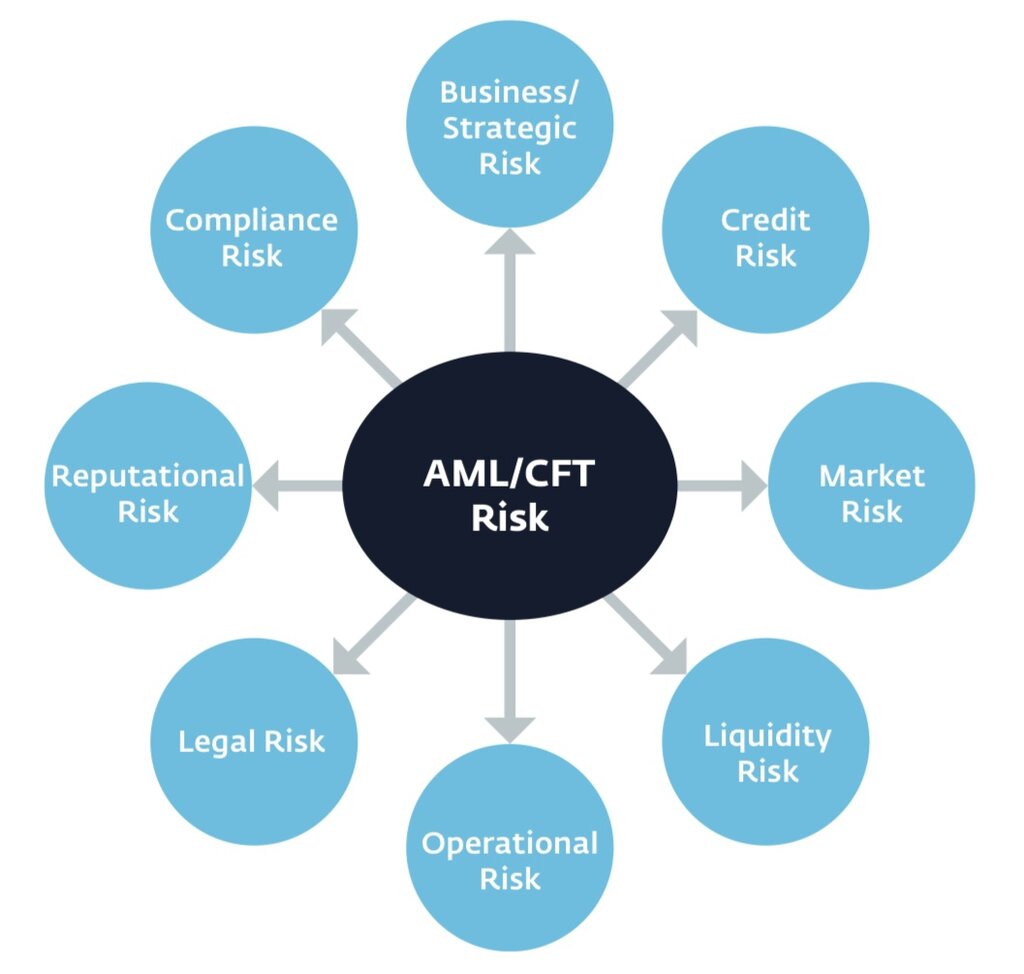
Financial risks aren't all the same. Understanding the different types is the first step to managing them effectively. The main categories are credit, market, operational, and liquidity risk.
Credit Risk
noun
The risk of loss arising from a borrower who does not make payments as promised.
This is the most straightforward type of risk. If you lend someone money, there's a chance you won't get it back. For banks and other lenders, credit risk is a central concern. They analyze a borrower's financial health to estimate the probability of default before approving a loan.
Market Risk
noun
The risk of losses in positions arising from movements in market prices.
Market risk is the danger that your investments will lose value because of factors that affect the entire market. Think of things like interest rate changes, geopolitical events, or economic recessions. Even if you own stock in a fantastic, well-run company, its price can still fall if the whole market takes a downturn.
Operational Risk
noun
The risk of loss resulting from inadequate or failed internal processes, people, and systems or from external events.
This category covers all the things that can go wrong on the inside. It includes human error, fraud, system failures, and legal issues. A factory shutdown due to equipment failure or a financial loss from a rogue trader are both examples of operational risk. It’s about the execution of a company's day-to-day business.
Liquidity Risk
noun
The risk that a company or bank may be unable to meet short-term financial demands.
Liquidity risk comes in two forms. The first is not having enough cash on hand to pay your bills. The second is being unable to sell an asset quickly without taking a massive price cut. You might own a valuable painting, but if you need cash by tomorrow, you can't easily convert it to money. For a bank, this risk is critical; if too many depositors ask for their money back at once, the bank might not have enough cash to pay them all, even if it has plenty of assets tied up in long-term loans.
The Risk Management Playbook
Companies don't manage risk by guessing. They use a structured approach called a risk management process or framework. While the details can vary, the core steps are generally the same.
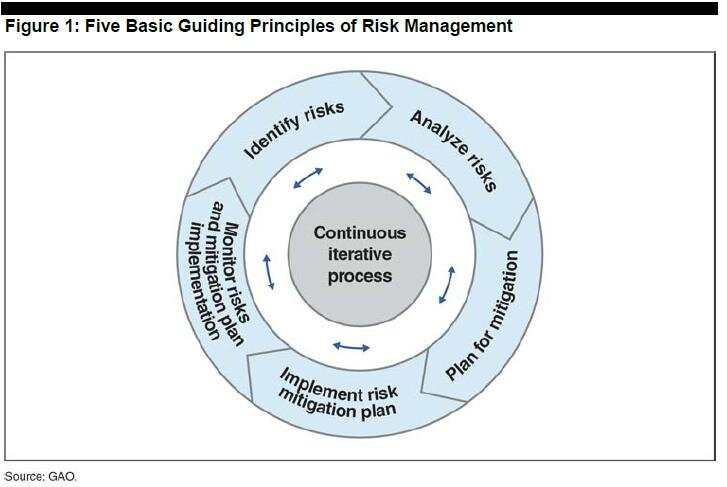
- Identify Risks: What could go wrong? The first step is to brainstorm all potential threats, from economic downturns to supply chain disruptions.
- Analyze Risks: Once a risk is identified, it needs to be assessed. How likely is it to happen? And if it does, what will the impact be? This helps prioritize which risks need the most attention.
- Plan for Mitigation: How can we reduce the likelihood or impact of the risk? This might involve creating new procedures, buying insurance, or diversifying investments.
- Implement the Plan: Put the mitigation strategies into action. This requires clear communication and assigning responsibility.
- Monitor and Review: Risk isn't static. The world changes, and new risks emerge. The process must be continuous, with regular reviews to ensure the plan is still effective and to identify new threats.
Governance, Ethics, and Performance
Effective risk management isn't just a job for a single department. It has to be embedded in the company's culture, starting from the top.
Risk governance is the system of rules and processes that a company uses to manage its risks. It defines who is responsible for what, from the board of directors down to individual employees.
This is closely tied to corporate governance, which is the broader framework for directing and controlling the company. Good governance ensures that the company is run in the best interests of its stakeholders, and managing risk is a key part of that responsibility. The board of directors sets the company's
Risk Appetite
noun
The level of risk an organization is prepared to accept in pursuit of its objectives.
Ethical considerations are also vital. A company might be able to take a risk that benefits shareholders but harms customers or the environment. A strong ethical framework guides decisions, ensuring that risk-taking is not only profitable but also responsible.
Finally, how do we measure success? Simply looking at profit isn't enough. We need risk-adjusted performance measurement. This means evaluating returns in relation to the amount of risk taken to achieve them. A 20% return might look amazing, but not if it was achieved by betting the entire company on a single, high-risk venture. A 10% return achieved with very low risk might be a much better outcome. This balanced view helps companies make sustainable, long-term decisions.
What is the primary goal of risk management?
A well-managed, profitable company sees its stock price fall dramatically because of a widespread economic recession. This is a primary example of which type of risk?
Managing risk is a fundamental part of running any successful organization. By understanding the types of risks and implementing a clear process to handle them, companies can better navigate an uncertain world.