Foundations of Finance
Introduction to Finance
What Is Finance?
At its heart, finance is simply the management of money. It’s the art and science of how individuals, businesses, and governments get money, spend it, and invest it. This isn't just about stocks and banking; it's a fundamental part of everyday life.
Finance
noun
The management of large amounts of money, especially by governments or large companies.
Finance can be broken down into three main areas:
- Personal Finance: This is about your own money. How do you create a budget, save for a vacation, pay off debt, or plan for retirement? These are all personal finance decisions.
- Corporate Finance: This involves the financial decisions businesses make. How does a company raise money to build a new factory? How does it manage its profits and cash flow? That's corporate finance.
- Public Finance: This area deals with how governments manage their revenue and spending. It includes things like taxes, government budgets, and issuing bonds to fund infrastructure projects.
Whether you're saving for a new phone or a company is planning a major expansion, the underlying principles of managing money are the same.
The Engine of the Economy
Think of finance as the circulatory system of the economy. It moves money from people who have it (savers) to those who need it (borrowers). This continuous flow is essential for growth.
When you deposit money in a savings account, the bank doesn't just let it sit there. It lends that money to someone else who might want to buy a house, or to a business that needs to buy new equipment. This process allows capital to be put to productive use, creating jobs and driving economic activity.
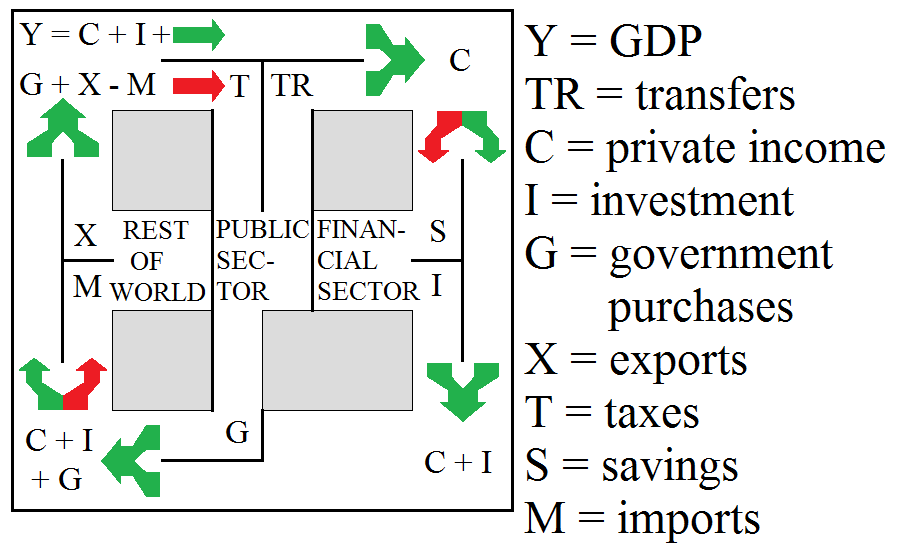
Without a functioning financial system, businesses would struggle to expand, innovation would slow down, and individuals would find it much harder to achieve major life goals like buying a home or funding an education. Financial literacy, or understanding these concepts, empowers you to make smarter decisions for your own future and participate more effectively in the economy.
Start with the basics of personal finance, saving money for the future, managing and paying off debt, fundamentals of investing, and risk management to protect your finances from unexpected events.
Making Financial Decisions
Every financial decision, big or small, involves weighing a few core ideas. Understanding them can help you navigate choices more confidently.
A core principle is the time value of money. A dollar today is worth more than a dollar a year from now. Why? Because you can invest that dollar today and it can earn interest, growing into more than a dollar over the year. This concept is why lenders charge interest and why it's so important to start saving for long-term goals as early as possible.
Another key idea is the relationship between risk and return. Generally, to get a higher potential return on an investment, you have to accept a higher level of risk. A government bond is very safe, but it offers a low return. Investing in a brand-new tech startup could potentially bring huge returns, but there's also a much higher chance you could lose your entire investment.
Finally, all financial decisions are based on cash flows. A company decides whether to build a new factory by estimating the cash it will spend to build it and the cash it expects to earn from it in the future. On a personal level, you decide if you can afford a car payment by looking at your monthly income (cash in) and your other expenses (cash out).
Thinking through your goals and weighing these principles is the foundation of smart financial decision-making.
Which statement best describes the fundamental role of finance in an economy?
A tech company decides to sell new shares of stock to raise money for building a new data center. This decision is an example of:
This introduction covers the essential role of finance. By understanding these basics, you're building a foundation for making better financial choices in all areas of your life.