Foundations of English
Alphabet and Phonics
The Building Blocks of English
Every word in the English language is built from a small set of symbols called the alphabet. Think of them as the basic ingredients for everything you'll read, write, and say. There are 26 letters in total.
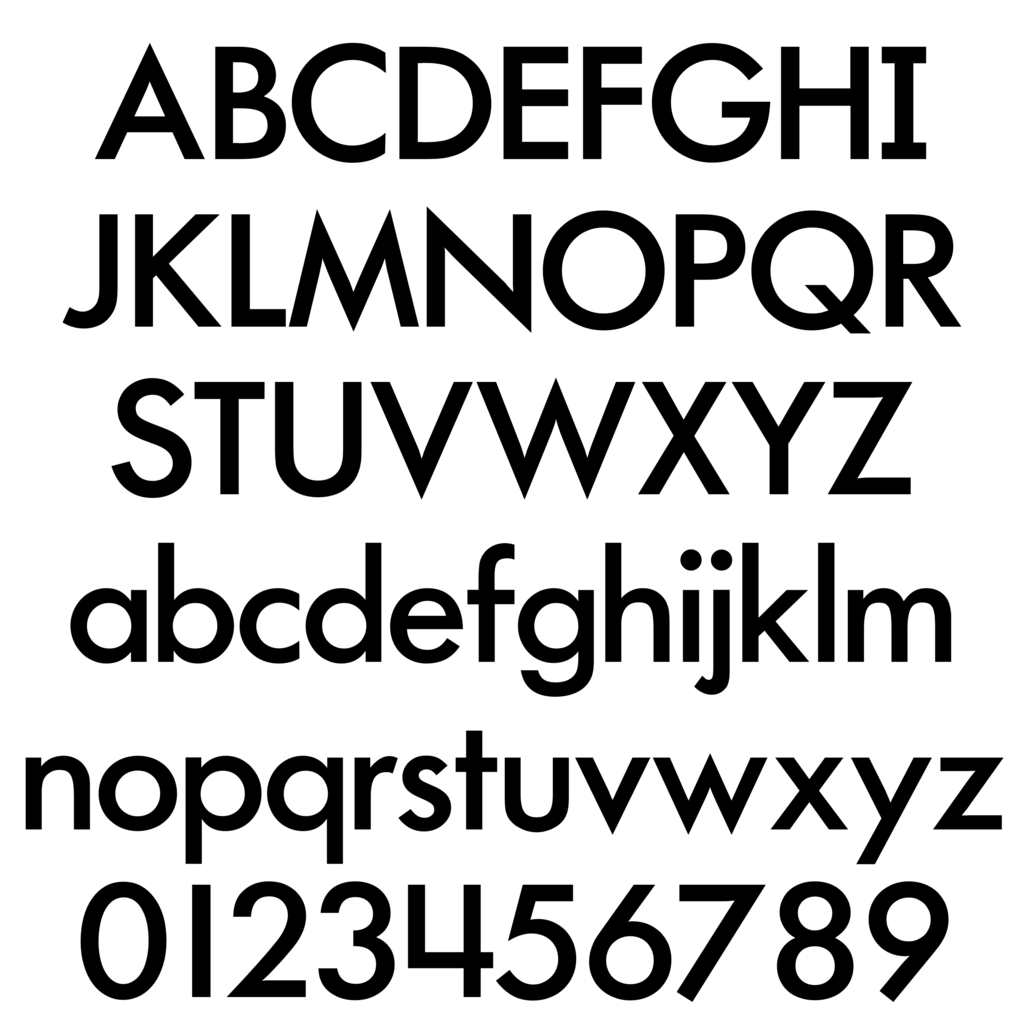
Each letter comes in two forms: uppercase (like A, B, C) and lowercase (a, b, c). We use uppercase letters to start sentences and for proper nouns, like names (David) and places (London). Most of the time, you'll be reading and writing with lowercase letters.
Letters Have Sounds
Knowing the names of the letters isn't enough to read. You also need to know the sounds they make. This connection between letters and their sounds is called phonics. It's the key that unlocks reading.
Each letter has a name (like "bee" for B), but it also represents a sound (like the /b/ sound in ball). When we read, we are actually decoding the sounds, not just reciting letter names. Each individual sound in a word is called a phoneme.
Phoneme
noun
The smallest unit of sound in a language that can distinguish one word from another.
Let's look at a few examples to make the difference between letter names and sounds clear.
| Letter | Letter Name | Common Sound | Example Word |
|---|---|---|---|
| A a | ay | /æ/ | apple |
| B b | bee | /b/ | ball |
| C c | cee | /k/ | cat |
| D d | dee | /d/ | dog |
Remember, the name of a letter and the sound it makes are two different things. To read, you need to focus on the sounds.
From Sounds to Words
Once you know the sounds of individual letters, you can start putting them together to form simple words. This process is called blending. You simply say each letter's sound in order, without pausing, to read the word.
Let's try it with the word "cat."
- First sound: The letter 'c' makes a /k/ sound.
- Second sound: The letter 'a' makes an /æ/ sound (like in apple).
- Third sound: The letter 't' makes a /t/ sound.
Now, blend them together: /k/ - /æ/ - /t/. If you say them quickly, you'll hear the word "cat."
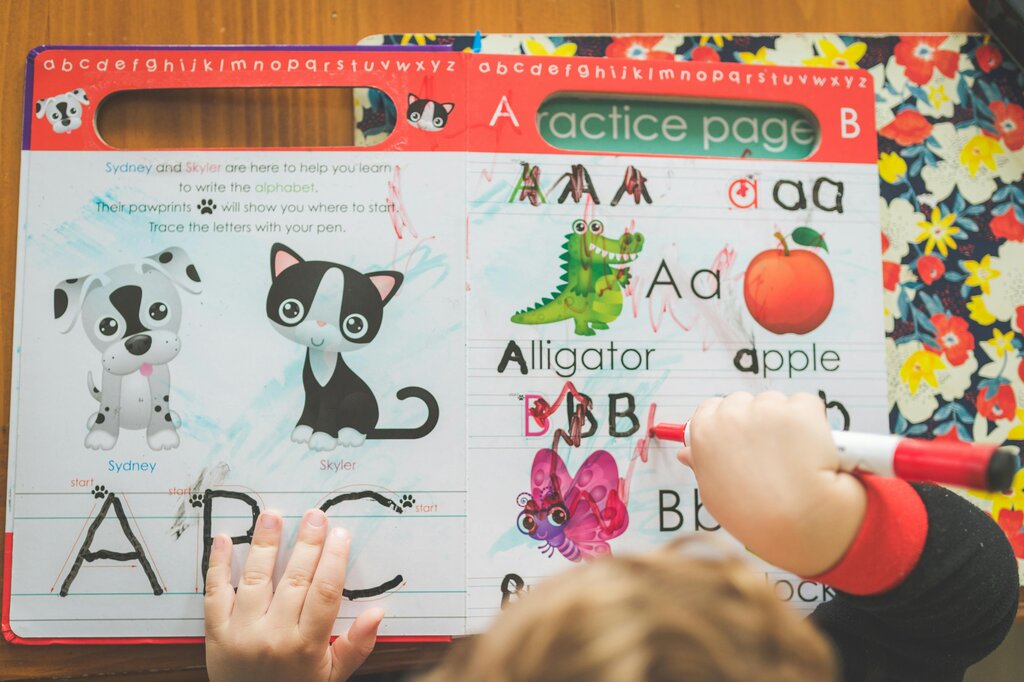
This blending technique works for many simple words. Let's try another one: "sun."
The sounds are /s/ - /u/ - /n/. Blending them gives you "sun."
Mastering the alphabet and these basic sounds is the first major step toward reading and speaking English confidently.