Foundations of English
Introduction to English Sounds
The Building Blocks of Speech
Every word you speak is built from small units of sound called phonemes. Think of them as the atoms of language. Mastering these sounds is the first step to clear and confident pronunciation. English sounds are broadly divided into two families: vowels and consonants.
Open Sounds: The Vowels
Vowel sounds are made with an open vocal tract. Your breath flows freely from your lungs, and you shape the sound using your tongue, lips, and jaw. The position of your tongue—high or low, front or back—and the shape of your lips create different vowels.
English has more vowel sounds than it has vowel letters (a, e, i, o, u). This is why one letter can make several different sounds. We can group them into short vowels and long vowels.
Short vowels are quick, clipped sounds. Think of the words: cat, bed, sit, top, sun.
Long vowels often sound like you're saying the name of the letter itself.
Listen to the vowel sounds in these words: say, see, ice, go, use.
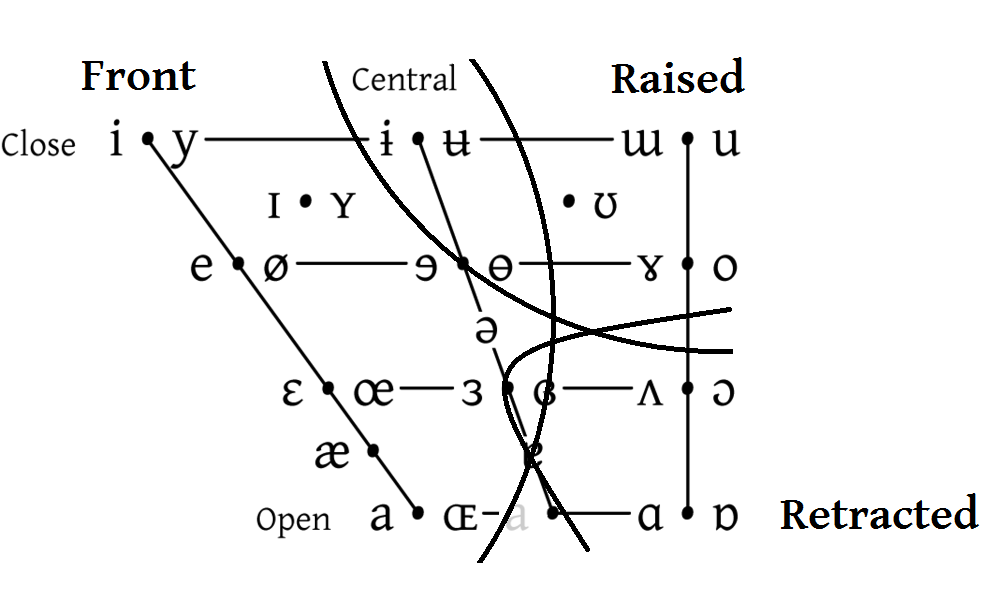
The key is to pay attention to your mouth's shape. For the /iː/ sound in "see," your lips are spread wide, almost like a smile. For the /uː/ sound in "blue," your lips are rounded and pushed forward.
Blocked Sounds: The Consonants
Consonants are formed by partially or completely blocking the airflow from your mouth. You use your tongue, teeth, or lips to create these obstructions. For example, the /p/ sound in "pat" is made by pressing your lips together to stop the air, then releasing it in a small puff.
phoneme
noun
The smallest unit of sound in a language that can distinguish one word from another.
Consonants can be grouped by how you block the air. Here are a few common types:
| Type | Description | Examples |
|---|---|---|
| Stops | Air is stopped completely, then released. | pat, bat, tip, dip, cat, go |
| Fricatives | Air is forced through a narrow gap. | fan, van, see, zoo, think |
| Nasals | Air is redirected through the nose. | me, no, sing |
Sounds in Action
Words are rarely made of single sounds. They're strings of vowels and consonants working together. Sometimes, multiple letters combine to make a single new sound. These are called digraphs. Common examples include sh, ch, and th.
Other times, consonants cluster together without a vowel in between, like the str in "street" or the bl in "blue." Practicing these combinations is key to fluency.
Try saying this sentence aloud, paying attention to each sound: The quick brown fox jumps over the lazy dog.
To improve, start by isolating sounds you find difficult. Record yourself saying words and compare your pronunciation to that of a native speaker. Tongue twisters are also a fun way to train your mouth muscles to make new shapes.
Listen to native speakers, practise key sounds, use phonetic transcriptions, and break words into syllables.
Ready to test your knowledge of English sounds?
What is the fundamental difference in how vowel and consonant sounds are produced?
The letters "ch" in the word "chair" combine to make a single sound. What is this combination called?
Understanding these basic sounds is the foundation for everything else in English. Keep practicing, and most importantly, keep listening.