Foundations of Engineering Practice
Introduction to Engineering
What Is Engineering?
At its heart, engineering is about solving problems. It's the creative application of science and math to design, build, and improve the world around us. Think of it as the bridge between a scientific discovery and a useful product or solution that people can use every day.
Engineering is fundamentally the systematic application of scientific and mathematical principles to design, build, and maintain structures, machines, systems, and processes that solve practical problems and improve human life.
Engineers don't just crunch numbers. They imagine, invent, and create. They figure out how to build stronger bridges, develop faster computers, create life-saving medical devices, and even design the systems that bring clean water to our homes. It’s a field driven by curiosity and the desire to make things work better.
A Look Back in Time
Engineering has been around as long as humans have been creating tools to solve problems. The pyramids of Egypt and the aqueducts of Rome are magnificent examples of ancient civil engineering. These structures were built without modern computers, relying on ingenious principles of geometry and physics.
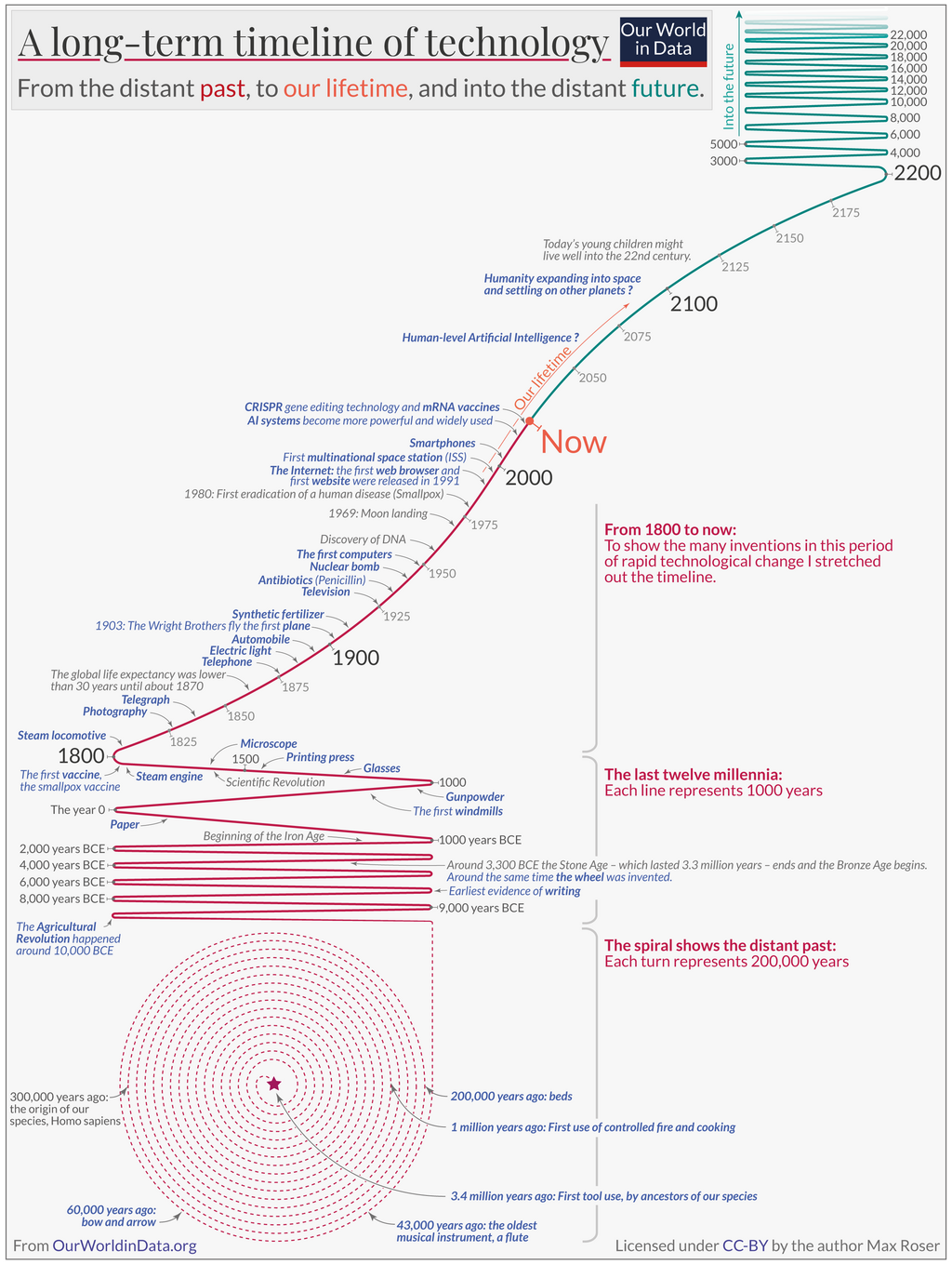
The Industrial Revolution in the 18th and 19th centuries was a major turning point. Inventions like the steam engine, pioneered by engineers like James Watt, transformed manufacturing, transportation, and society itself. The 20th century brought even more rapid change with the advent of electricity, the automobile, airplanes, and finally, the computer and the internet. Each step forward was built on the work of engineers.
The Many Faces of Engineering
Engineering is not a single field but a broad collection of disciplines, each focused on a different area of technology and innovation. While there are dozens of specialties, most fall under a few major branches.
| Discipline | What They Do |
|---|---|
| Civil Engineering | Design and build infrastructure like bridges, roads, dams, and buildings. |
| Mechanical Engineering | Work with machines, from car engines to robotic arms to power plants. |
| Electrical Engineering | Focus on electricity, electronics, and systems like power grids and computer hardware. |
| Chemical Engineering | Transform chemicals and raw materials into useful products like fuel, medicine, and plastics. |
| Computer Engineering | Design and develop computer hardware, software, and networks. |
| Aerospace Engineering | Design, build, and test aircraft, spacecraft, satellites, and missiles. |
These fields often overlap. Building a modern airplane, for example, requires aerospace engineers for the body and wings, mechanical engineers for the engines, electrical engineers for the navigation systems, and computer engineers for the flight control software. Major projects are almost always a team effort.
More Than Just Building Things
Engineering carries a great deal of responsibility. The solutions engineers create can have a profound impact on people's lives, the environment, and society as a whole. Because of this, ethics are a cornerstone of the profession.
Engineers must also understand the risks and the short- and long-term impacts inherent to engineering activities, and they must take action to assess, inform, address and mitigate those risks and impacts.
An engineer's primary duty is to protect public safety, health, and welfare. This means designing products that are safe and reliable, considering the environmental consequences of a project, and being honest and impartial in their professional judgments. It’s about building a better future, not just for some, but for everyone.
Now, let's test your understanding of these core engineering concepts.
What is the primary function of engineering?
The pyramids of Egypt and the aqueducts of Rome are magnificent examples of ancient __________ engineering.
From ancient aqueducts to modern spacecraft, engineering is the engine of human progress. It combines creativity with scientific principles to solve the world's most pressing challenges.