Foundations of E-Business
Introduction to E-Business
What is E-Business?
Simply put, e-business is any business process that takes place over the internet. It's a broad term that covers a lot of ground. Think about all the things a company does: managing supplies, talking to customers, running marketing campaigns, training employees, and of course, selling products. When these activities are done using digital tools and online networks, it's all part of e-business.
E-business
noun
The practice of conducting business processes on the internet. This includes not only buying and selling but also internal processes and collaboration with business partners.
People often use the terms 'e-business' and 'e-commerce' interchangeably, but they are not the same. E-commerce is a key part of e-business, but it doesn't cover the whole picture.
E-commerce specifically refers to the act of buying and selling goods or services online. It's the transaction itself. E-business, on the other hand, is the entire framework. It includes e-commerce, but also things like managing the supply chain, processing payments, handling customer relationship management (CRM) online, and even internal company communications over an intranet.
Think of it like this: e-commerce is the online storefront and cash register. E-business is the entire building, including the warehouse, the manager's office, and the staff breakroom.
Now that we've clarified the terms, let's look at how we got here.
The Rise of E-Business
The story of e-business is tied to the story of the internet. In the early 1990s, the internet was mostly a space for academics and researchers. But when the World Wide Web became publicly accessible, businesses saw an opportunity.
Companies started by creating simple websites, which were like digital brochures. Then came the 'dot-com' boom of the late 90s. This was a period of rapid growth and investment in internet-based companies. While many of these early ventures failed, giants like Amazon and eBay survived and paved the way.
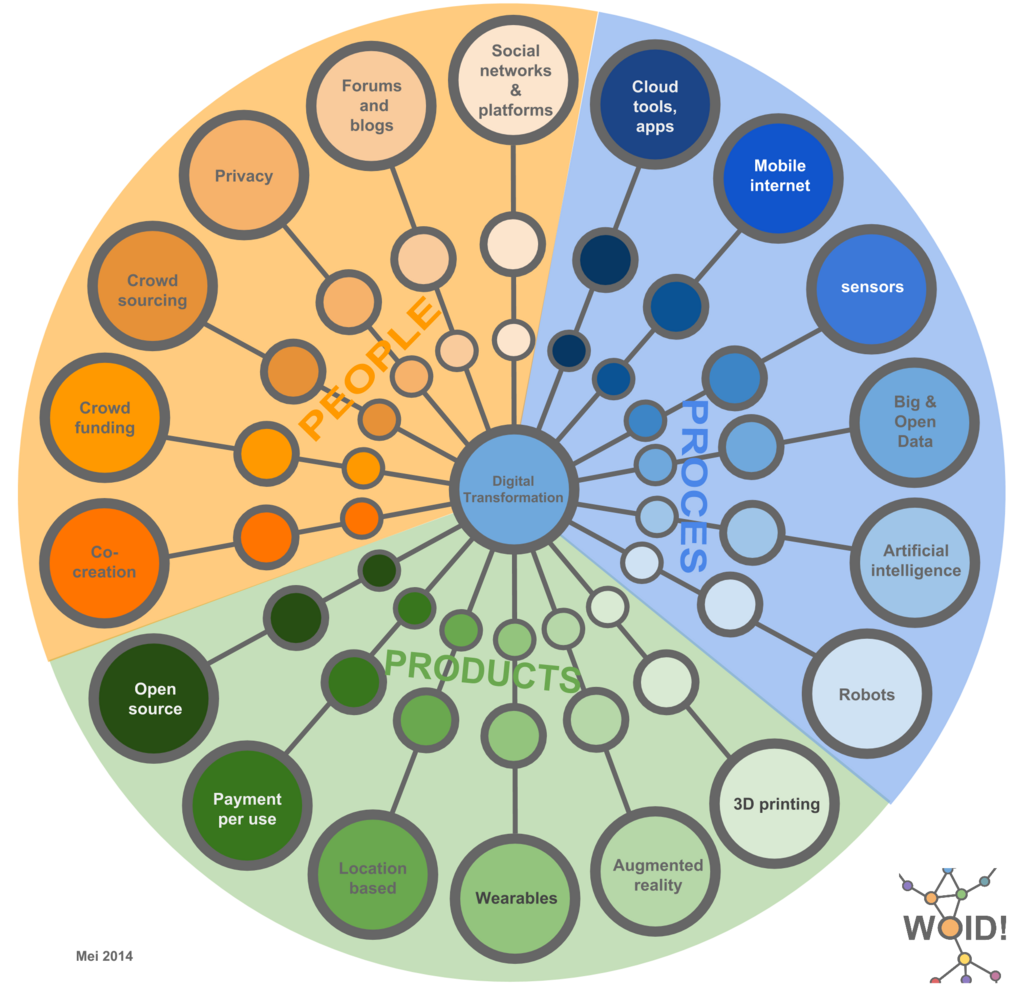
The 2000s brought faster internet speeds, more secure online payment systems, and the rise of digital marketing through platforms like Google. The last decade has been defined by the explosion of mobile devices, cloud computing, and social media, making e-business an essential part of the global economy.
Why It Matters Today
E-business is no longer a novelty; it's a necessity. It has fundamentally changed how companies operate and compete. The most significant advantage is breaking down geographical barriers. A small shop in Jaipur can now sell its products to a customer in London with just a few clicks. This opens up a global marketplace.
Implement e-commerce for wider geographic reach
Efficiency is another major benefit. Automating processes like inventory management, order tracking, and billing saves time and reduces human error. Digital communication tools allow teams from different parts of the world to collaborate seamlessly. This not only cuts operational costs but also allows businesses to be more agile and responsive to market changes.
Ultimately, e-business allows for a deeper relationship with customers. Companies can collect data on customer preferences to offer personalised products and services. Online support, chatbots, and social media engagement provide instant channels for communication, improving customer satisfaction and loyalty.
Here's a quick comparison of how traditional business stacks up against e-business:
| Feature | Traditional Business | E-Business |
|---|---|---|
| Reach | Local or regional | Global |
| Operating Hours | Limited (e.g., 9 am to 5 pm) | 24/7, 365 days a year |
| Marketing | Print, TV, radio (often expensive) | Digital ads, social media (often cheaper and targeted) |
| Customer Interaction | Face-to-face, phone calls | Email, chatbots, social media, online reviews |
| Startup Cost | High (rent, physical inventory) | Lower (no need for a physical store) |
For small and medium enterprises (SMEs), this shift is revolutionary. E-business tools level the playing field, allowing smaller players to compete with large corporations by reaching a wider audience and operating more efficiently. In today's digital-first world, having an online presence is crucial for survival and growth.
What is the most accurate description of e-business?
Which statement best explains the relationship between e-business and e-commerce?
Understanding these core ideas is the first step in seeing how the digital world shapes modern commerce.