Foundations of Digital Marketing
Introduction to Digital Marketing
What Is Digital Marketing?
Digital marketing is any marketing effort that uses an electronic device or the internet. Businesses leverage digital channels like search engines, social media, email, and their websites to connect with current and prospective customers.
Think of it like this: traditional marketing is like shouting from a rooftop, hoping the right people hear you. Digital marketing is like having a quiet conversation with someone you know is interested in what you have to say. It's more direct, personal, and measurable.
It’s not about finding customers for your products, but about creating products for your customers. Digital tools just make this process faster and more precise.
In today’s world, your customers are online. They’re browsing social media, reading news on their tablets, and searching for solutions on their phones. Digital marketing meets them where they are.
From Billboards to Clicks
Marketing has always been about connecting with your audience in the right place at the right time. Years ago, that meant billboards, magazine ads, and TV commercials. While these methods still exist, their power has diminished as attention has shifted to screens.
The evolution from traditional to digital marketing represents a fundamental change in how businesses communicate. Instead of one-way broadcasts, it's now a two-way conversation.
| Feature | Traditional Marketing | Digital Marketing |
|---|---|---|
| Reach | Broad, often local or national | Global and highly specific |
| Targeting | General (e.g., magazine readers) | Precise (e.g., age, interests, behavior) |
| Interaction | One-way (broadcast) | Two-way (conversation, feedback) |
| Measurement | Difficult and often estimated | Highly measurable (clicks, views, sales) |
| Cost | Often high with uncertain ROI | More cost-effective and scalable |
The key difference is data. With digital marketing, you can track almost every aspect of a campaign. You know how many people saw your ad, how many clicked on it, and how many made a purchase. This allows for constant refinement and a much better return on investment.
The Digital Marketing Toolbox
Digital marketing isn't just one thing; it's a collection of different tools and strategies. Each channel has its own strengths, and they often work best when used together.
Here's a quick look at the main channels:
- Website: Your digital storefront. It's the central hub for all your online activity.
- Search Engine Optimization (SEO): The process of making your website more visible on search engines like Google, so more people find you organically.
- Social Media Marketing: Using platforms like Facebook, Instagram, and LinkedIn to build a community, share content, and engage with your audience.
- Email Marketing: Directly communicating with potential and current customers through email. It's excellent for building loyalty and promoting offers.
- Content Marketing: Creating and sharing valuable free content—like blog posts, videos, and guides—to attract and convert prospects into customers.
- Pay-Per-Click (PPC) Advertising: Paying for ad placements on search engines or social media to drive traffic to your website. You only pay when someone clicks your ad.
Benefits and Challenges
The shift to digital offers incredible advantages. Businesses can now compete on a global scale, even small ones. They can reach niche audiences with tailored messages, building stronger relationships and brand loyalty.
The biggest benefit is measurability. Every action can be tracked, providing clear insight into what works and what doesn't. This data-driven approach removes much of the guesswork from marketing.
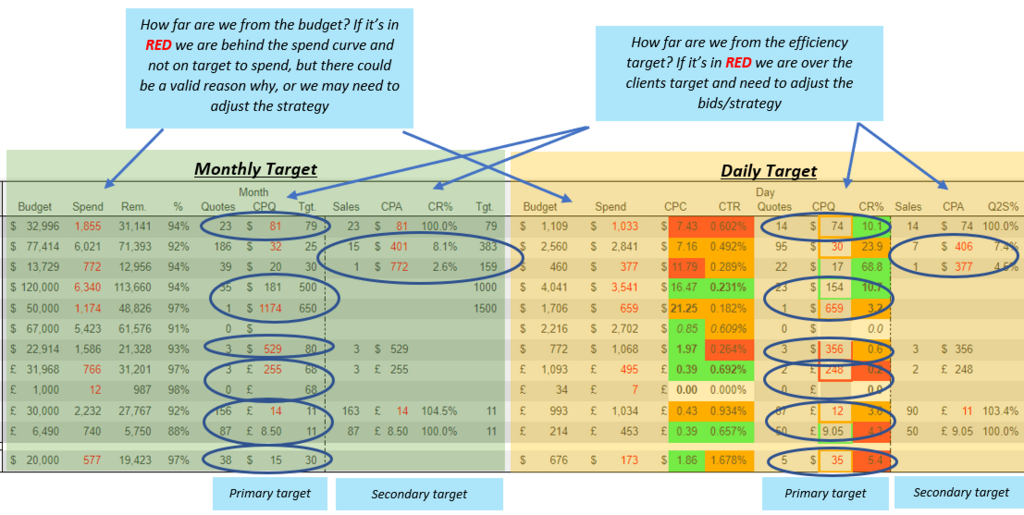
However, it's not without its challenges. The digital world changes at a breakneck pace. New platforms emerge, algorithms change, and trends come and go. Marketers must constantly learn and adapt.
Competition is also fierce. Because the barrier to entry is low, the online space is crowded. Standing out requires creativity, strategy, and a deep understanding of your audience. Finally, concerns about data privacy are growing, requiring marketers to be transparent and ethical in their practices.
What is the primary advantage of digital marketing when compared to traditional marketing?
A new online bookstore wants to attract customers who are actively looking to buy fantasy novels. Which strategy would most directly target these potential customers at their moment of interest?
This foundation gives you a starting point for exploring the exciting and dynamic field of digital marketing.