Foundations of Digital Marketing
Introduction to Digital Marketing
What Is Digital Marketing?
At its core, digital marketing is simply marketing that uses electronic devices and the internet. It’s how businesses use digital channels like search engines, social media, email, and their websites to connect with current and prospective customers.
Think about the ads you see in a magazine or on a billboard. That's traditional marketing. It casts a wide net, hoping to catch the attention of anyone passing by. Digital marketing is different. It’s more targeted, personal, and measurable. It allows a business to show an ad for running shoes to someone who has been searching for running shoes online.
This form of marketing didn't appear overnight. It started with the first clickable banner ad in 1994 and has evolved dramatically since. Early on, it was mostly about putting up a basic website. Today, it’s a complex ecosystem of interacting with customers across dozens of different platforms in real time.
The Main Channels
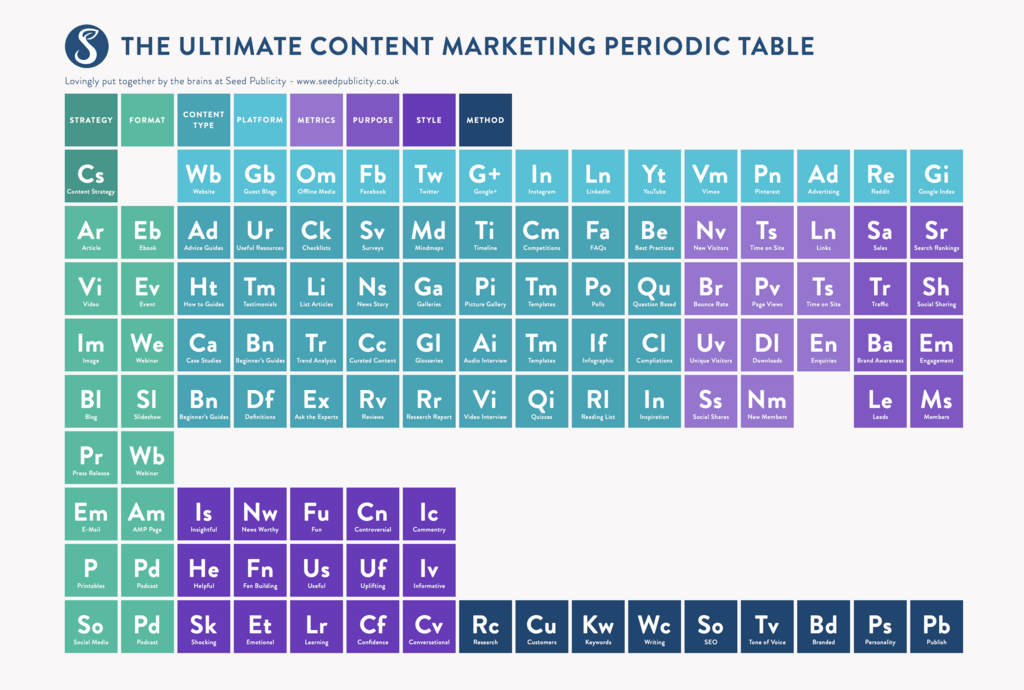
Digital marketing isn't a single thing; it's a collection of different channels and tactics. A company's website is often the central hub, like a digital storefront. But customers don't just magically appear there. Businesses use several key channels to attract and engage an audience.
- Search Engines: When you google a question, the results you see are influenced by digital marketing. Businesses work to appear high on the list to attract people actively looking for their products or services.
- Social Media: Platforms like Instagram, TikTok, and LinkedIn allow companies to build communities, share content, and run targeted ads based on users' interests and demographics.
- Email: This is a direct line to your audience. Businesses use email to send newsletters, promotions, and personalized messages to nurture relationships with customers.
- Content Marketing: This involves creating and sharing valuable free content—like blog posts, videos, or guides—to attract and retain a clearly defined audience.
The Building Blocks
What do businesses actually share on these channels? They use different forms of digital media, each with its own strengths.
- Text is the foundation. It's used for everything from website copy and blog posts to email newsletters and social media updates.
- Images grab attention quickly. Think of compelling photos on Instagram, helpful infographics, or custom graphics that explain a concept.
- Video has become incredibly popular. From short-form videos on TikTok and Reels to longer educational content on YouTube, video is a powerful way to tell a story and engage an audience.
- Audio is growing, too. Podcasts allow businesses to have deep conversations about their industry, while audio ads can reach listeners on music streaming services.
Data and Technology
The secret ingredient that makes digital marketing so effective is data. Every time someone clicks a link, watches a video, or buys a product online, they create a data point. Marketers analyze this data to understand what people want and how they behave.
This allows for powerful personalization. For example, if you visit a website and look at a pair of blue shoes, you might start seeing ads for those exact shoes on other websites and social media apps. That’s data at work. It helps businesses show more relevant content to people, making marketing less intrusive and more helpful.
Behind all of this is a suite of digital marketing technologies. These are the tools that help manage social media accounts, send emails, run ads, and measure the results of every campaign. Platforms like Google Analytics, for instance, let a business see how many people visited their site, where they came from, and what pages they viewed.
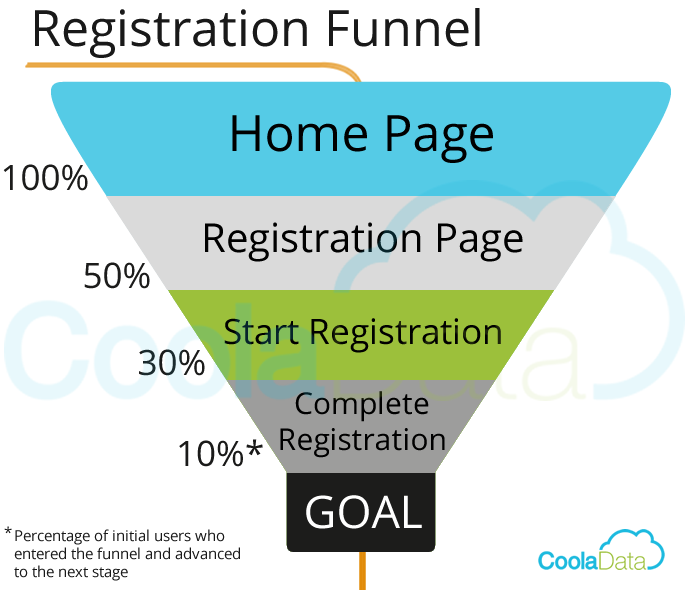
Together, these elements—the channels, the media, the data, and the technology—form the foundation of modern digital marketing. It's a dynamic field that connects businesses with people in the digital spaces where they spend their time.
What is the primary characteristic that defines digital marketing?
How does digital marketing primarily differ from traditional marketing, like a billboard ad?