Foundations of Diet and Nutrition
Introduction to Nutrition
What is Nutrition?
At its core, nutrition is the study of how food and drink affect our bodies. It's about the fuel we choose for ourselves. Every single process, from your heart beating to your brain thinking, relies on the energy and building materials you get from what you eat.
Nutrition
noun
The process of providing or obtaining the food necessary for health and growth.
Think of your body like a complex and amazing machine. Food provides the energy to run that machine, the parts to repair it when it breaks down, and the instructions for it to grow and function correctly. Without the right fuel, the machine sputters and struggles. With high-quality fuel, it runs smoothly and efficiently.
Why a Balanced Diet Matters
A “balanced diet” means getting the right variety and amount of nutrients to keep your body in top shape. It's not about eating one “superfood” or cutting out entire food groups. Instead, it’s about making sure your body has everything it needs to function.
Imagine you're building a house. You can't construct it with only wood. You also need nails, concrete, wires, and pipes. Each material has a specific job. Your body is the same. It needs a mix of different nutrients, each with its own role, to build and maintain itself.
Think of your diet as a team. You need a variety of players, each with a special role, to win the game of health.
When you eat a balanced diet, you feel it. You have more consistent energy throughout the day, your immune system is stronger, and you can think more clearly. Over the long term, good nutrition is one of the most powerful tools we have for preventing chronic diseases like heart disease and diabetes.
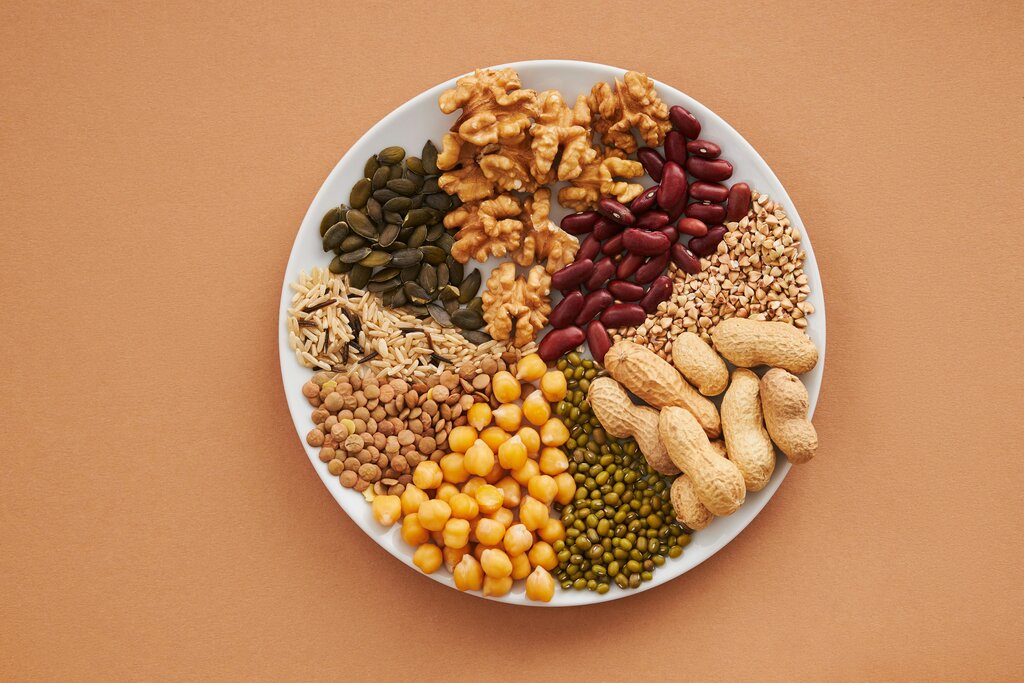
An Overview of Nutrients
The foods we eat contain specific components called nutrients. We call them essential nutrients because our bodies can't produce them on their own, or can't make enough of them. That means we have to get them from our diet. These nutrients are generally divided into two main groups, macronutrients and micronutrients, based on how much of them we need.
For now, let's just meet the six basic categories of essential nutrients.
| Nutrient Category | Primary Role |
|---|---|
| Carbohydrates | The body's main source of energy. |
| Proteins | Building blocks for tissues, muscles, and enzymes. |
| Fats | Provide energy, support cell growth, and protect organs. |
| Vitamins | Help with various body processes, like immunity and energy production. |
| Minerals | Crucial for building strong bones and transmitting nerve signals. |
| Water | Essential for every single function in the body. |
Each of these nutrients plays a vital part in the complex system that is you. In the upcoming sections, we'll dive deeper into each category to understand exactly what they do and where you can find them.
What is the primary focus of the study of nutrition?
The text uses the analogy of building a house to explain a balanced diet. What is the main point of this comparison?