Foundations of Design
Introduction to Design Elements
The Building Blocks of Design
Every design you've ever seen, from a simple logo to a complex website, is built from the same basic ingredients. These are the elements of design. Think of them as the fundamental tools in a designer's toolkit. By understanding each one, you can start to see how visual compositions are created and why they make you feel a certain way. Let's look at the six essential elements: line, shape, form, texture, space, and color.
Line
A line is the most basic design element. It's a mark that connects two points. But its simplicity is deceptive. Lines do much more than just divide or outline; they guide the viewer's eye through a composition. Think of the lines on a road map—they show you the path from one place to another. In design, lines work the same way, creating a journey for your eyes.
Lines can have different personalities. A thin, straight line feels clean and orderly. A thick, jagged line can create a sense of energy or chaos. A soft, curving line feels gentle and organic. By changing a line's weight, curve, or texture, a designer can change the entire mood of a piece.
Shape and Form
When a line encloses an area, it creates a shape. Shapes are flat, two-dimensional objects that form the foundation of a design. They can be geometric, like circles, squares, and triangles, which feel structured and stable. Or they can be organic, with free-flowing, natural curves like a leaf or a puddle, which feel more spontaneous.
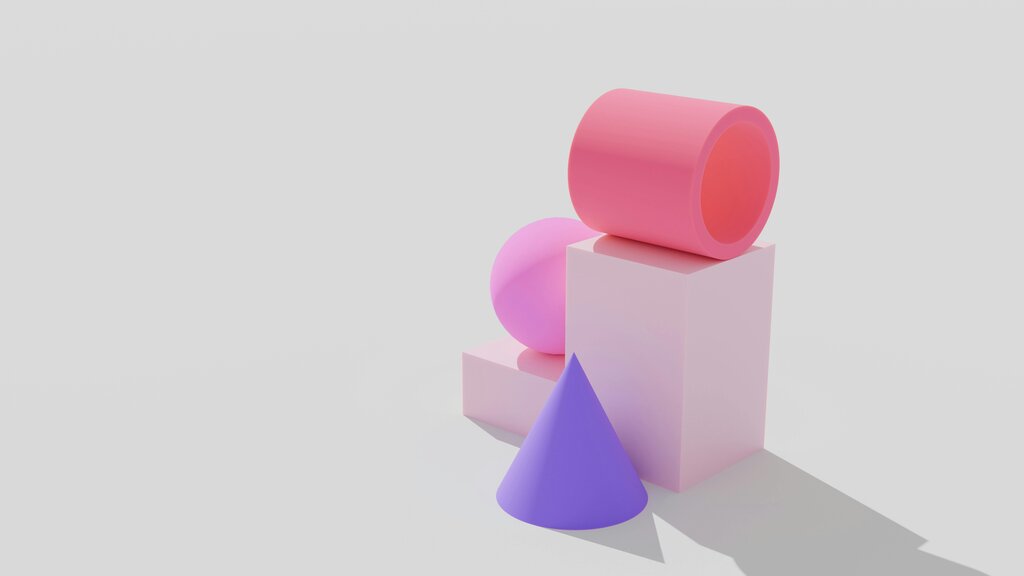
Form is the three-dimensional cousin of shape. While a square is a shape, a cube is a form. While a circle is a shape, a sphere is a form. Form has depth, width, and height. In digital design, artists create the illusion of form using light, shadow, and perspective to make flat objects appear as if they have real-world volume and mass.
Texture, Space, and Color
Texture refers to the surface quality of an object. It's the element you can both see and feel. In design, texture can be physical, like the rough paper of a book cover, or it can be implied. Visual texture is an illusion created to look like a real surface. A photo of a brick wall on a website, for example, gives the impression of roughness without actually being rough to the touch. Texture adds depth and sensory detail to a design, making it more engaging.
A smooth, glossy texture can feel modern and sleek, while a grainy, rustic texture might feel warm and traditional.
Space, often called negative space or white space, is the empty area around and between other design elements. It's not just blank background; it's an active element that gives your design room to breathe. Good use of space reduces clutter, improves readability, and can be used to draw attention to the most important parts of the composition. A design with too little space can feel cramped and chaotic, while one with ample space feels open and calm.
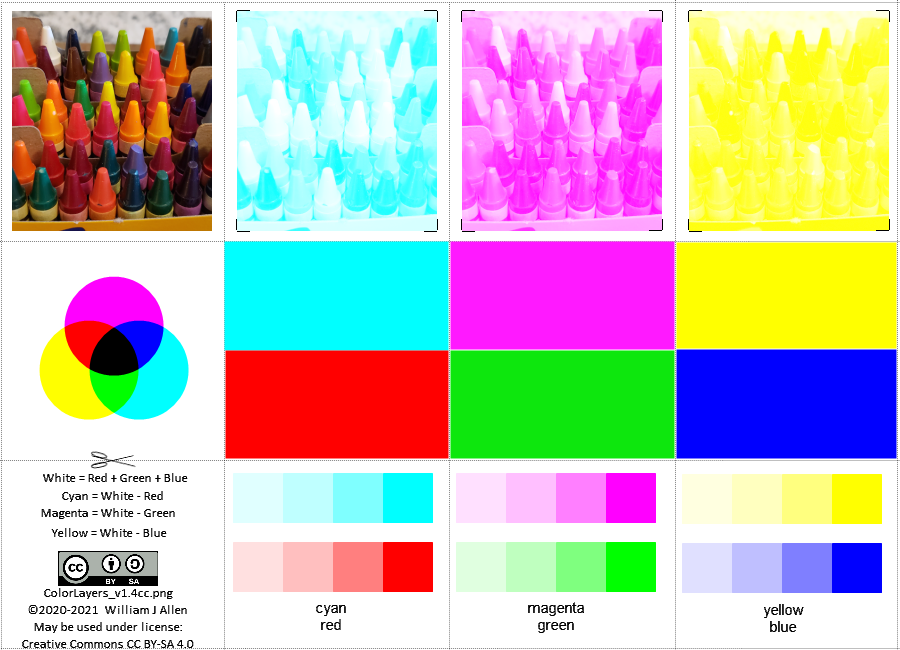
Finally, there's color. Color is perhaps the most emotionally resonant design element. It can instantly set a mood, convey a message, and capture attention. Colors like red and orange are warm and energetic, while blues and greens are cool and calming. Every color has cultural and psychological associations that a designer can use to communicate ideas without words.
These six elements are the vocabulary of visual language. By learning to recognize and use them, you've taken the first step toward creating and understanding compelling design.