Foundations of Data Protection
Introduction to Data Protection
What Is Personal Data?
In the digital world, data is everywhere. But not all data is the same. The kind that gets the most attention is personal data, which is any piece of information that can be used to identify you as an individual.
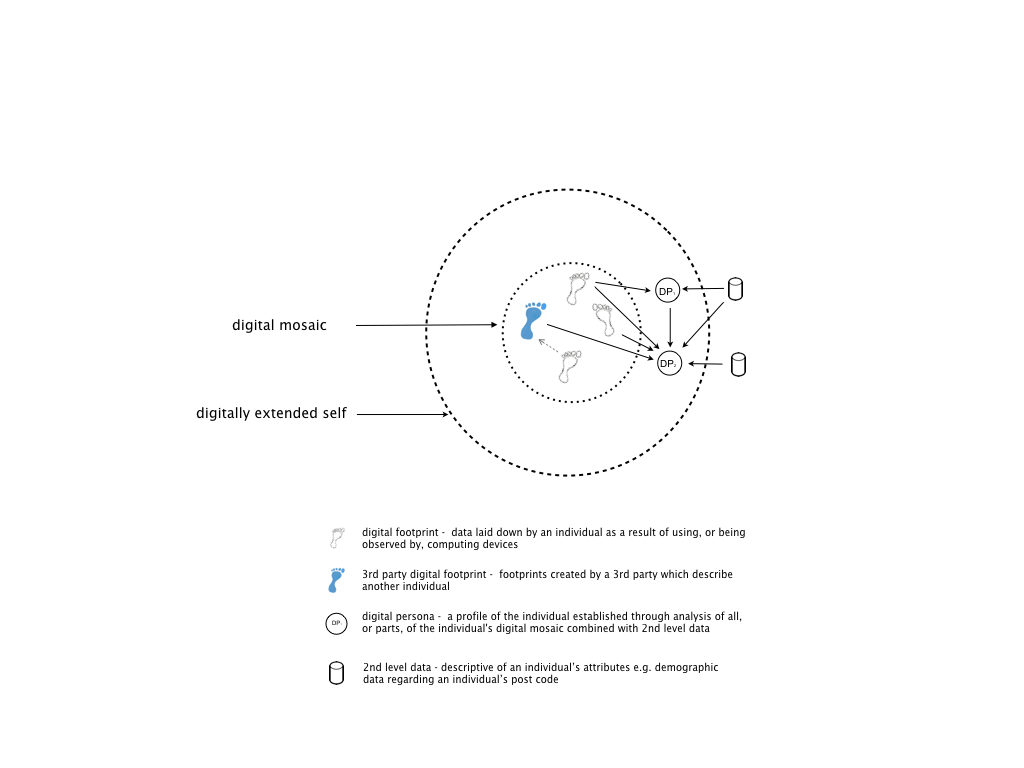
This goes far beyond your name. It includes obvious identifiers like your home address, email, or phone number. But it also covers information that, when pieced together, can point directly to you. Think about your IP address, your location data, or even your purchase history. A record of you buying a specific brand of coffee at the same shop every morning is a piece of a puzzle that describes you.
Personal Data
noun
Any information relating to an identified or identifiable person. This can include direct identifiers (like a name) or indirect identifiers (like a unique ID number or location data).
Even data about your opinions, your health, or your political beliefs can be considered personal data if it's linked to you. Essentially, if a piece of information can answer the question "Who is this about?" with your name, it's personal data.
Why Data Protection Matters
Protecting personal data is about protecting people. When your information isn't secure, it can be used in ways you never intended. It might be used for identity theft, financial fraud, or even to influence your decisions without your awareness. It’s a matter of personal safety and autonomy.
Imagine leaving your front door unlocked. Someone could walk in, look through your things, and learn everything about you. Data protection is the digital equivalent of locking that door. It establishes rules for how organizations should handle your information, ensuring they treat it with respect and keep it secure.
When companies protect your data, it builds trust. You're more likely to use a service if you believe your information is safe. This isn't just good ethics; it's good business. Data protection ensures that the relationship between individuals and organizations is built on a foundation of security and transparency.
Your Basic Data Rights
You aren't powerless when it comes to your personal data. Around the world, a set of fundamental rights has emerged, giving you more control over your information. While specific laws vary, they are generally built on a few core principles. These rights empower you to understand and manage how your data is being used.
| Right | What it Means |
|---|---|
| Right to Access | You can ask an organization for a copy of the personal data they hold about you. |
| Right to Rectification | If you find that the data is inaccurate or incomplete, you can ask for it to be corrected. |
| Right to Erasure | Often called the "right to be forgotten," this allows you to request the deletion of your personal data under certain circumstances. |
| Right to Restrict Processing | You can request that an organization limit the way it uses your data. |
These rights form the basis of modern data privacy. They shift the balance of power, making organizations more accountable and individuals more informed.
This is where data privacy comes into play—it’s about giving you control and visibility over the sensitive personal data being collected about you.
Understanding what personal data is, why it needs protection, and what your rights are is the first step toward navigating the digital world safely and confidently.
Ready to check your understanding? Let's see what you've learned.
Which of the following would be considered personal data?
The text compares data protection to “locking your front door.” What is the primary reason for this analogy?
With these fundamentals in place, you're ready to explore the specific laws and practices that bring data protection to life.