Foundations of Data Engineering
Introduction to Data Engineering
The Foundation of Data
Most modern companies are swimming in data. It comes from everywhere: customer clicks on a website, sales transactions, sensor readings from machinery, and social media posts. But this raw data is often a messy, disorganized flood. It's like trying to drink from a fire hose. This is where data engineering comes in.
A data engineer builds the pipelines, storage, and processing systems to transform that raw mess into clean, structured, reliable data that analysts, scientists, and AI models can actually use.
Data engineering is the discipline of designing and building systems for collecting, storing, and analyzing data at scale. It's the essential groundwork that makes everything else possible, from business reports to complex machine learning models. Without clean, reliable, and accessible data, data science is just a theoretical exercise. Data engineers build the roads and bridges that allow data to travel from its source to its destination, ready for use.
The Data Engineering Lifecycle
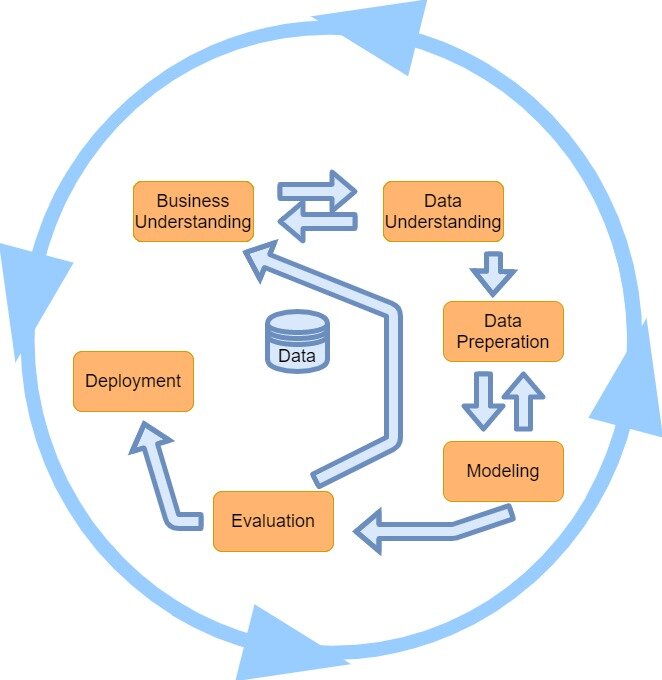
The journey of data from raw information to valuable insight follows a well-defined path, often called the data engineering lifecycle. This process ensures that data is handled systematically and efficiently.
Each stage is critical. Collecting data involves tapping into databases, APIs, and logs. Processing, the most complex step, is where raw data is cleaned of errors, transformed into a consistent format, and enriched with other information. Storing means placing this refined data into a system like a data warehouse or data lake, where it can be easily accessed. Finally, serving involves providing tools and interfaces for data scientists, analysts, and applications to use the data.
Building the Pipelines
So, how does data move through this lifecycle? The primary tool a data engineer builds and maintains is the data pipeline. A data pipeline is a series of automated steps that move data from a source system to a destination. Think of it as an automated assembly line for data.
Pipelines handle several key tasks:
- Ingestion: Getting data out of its original source.
- Transformation: Applying rules to clean, validate, and reshape the data.
- Loading: Putting the transformed data into a storage system.
These pipelines need to be robust, reliable, and scalable. A data engineer's job is to ensure they run smoothly, handle errors gracefully, and can cope with ever-increasing volumes of data. A broken pipeline can halt business operations, so their design and maintenance are crucial.
The goal is automation. A well-designed pipeline requires minimal human intervention, freeing up time for more complex problem-solving.
Quality and Governance
Not all data is good data. Raw data can be riddled with issues: missing values, incorrect entries, or inconsistent formats. Using low-quality data for analysis leads to flawed insights and bad business decisions. This is why data quality and governance are central to data engineering.
Treat data quality as an engineering and governance task.
Data quality involves implementing checks and validations within the pipeline to ensure the data is accurate, complete, and consistent. It's about catching problems early before they can corrupt your datasets.
Data governance is a broader concept. It refers to the overall management of data availability, usability, integrity, and security. It answers questions like:
- Who has permission to access this data?
- What do these data fields actually mean?
- How is sensitive information protected?
A data engineer plays a key role in implementing the technical side of a governance strategy, ensuring that data is not just clean but also secure and well-documented.
Now that we've covered the core concepts, let's test your understanding.
What is the primary goal of data engineering?
Which of the following lists the main stages of the data engineering lifecycle in the correct order?
Data engineering is a vast field, but it all starts with these foundational ideas. Understanding the lifecycle, the role of pipelines, and the importance of quality gives you a solid base for exploring this critical domain.