Foundations of Data Engineering
Data Engineering Overview
The Backbone of Big Data
Modern businesses run on data. From customer clicks to supply chain logistics, information is constantly being generated. But raw data is often messy, disorganized, and spread across many different systems. It's like having a warehouse full of jumbled, unlabeled boxes. You know there's valuable stuff inside, but you can't use it until someone sorts it all out.
That's where data engineering comes in. It's the work of building the systems that collect, clean, and organize massive amounts of data so it can be used for analysis, machine learning, and making smart business decisions.
Data engineering is the practice of designing, building, and managing data infrastructure that collects, transforms, and delivers data at scale for analytical and operational purposes.
Think of data engineers as the civil engineers of the data world. They don't necessarily analyze the data to find insights themselves. Instead, they design and build the robust infrastructure—the roads, bridges, and plumbing—that allows data to flow reliably from its source to the people and systems that need it. Without this foundational work, data scientists and analysts wouldn't have the clean, accessible data required to do their jobs.
Building the Data Pipeline
The core job of a data engineer is to build and maintain data pipelines. A data pipeline is an automated process that moves data from one place to another, transforming it along the way to make it more useful. It's a series of steps that turns raw data into a valuable asset.
These pipelines typically have four main stages.
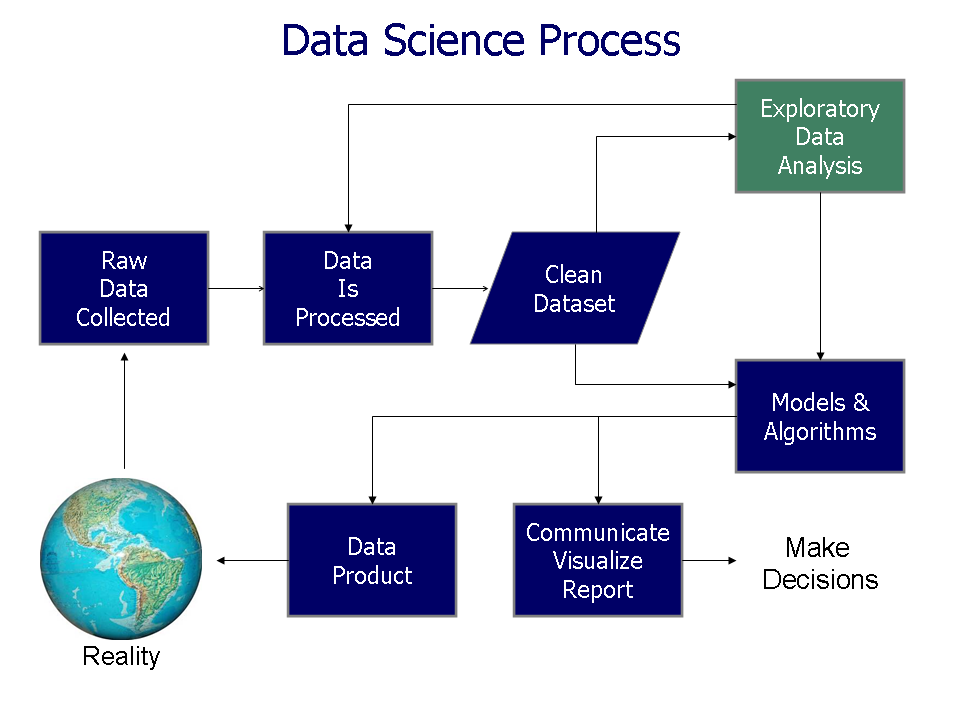
1. Ingestion This is the starting point. Data is collected from all its different sources. This could be anything from a mobile app, website activity logs, sales transactions in a database, or even sensors on a factory floor. Ingestion is about getting all this varied data into one system.
Imagine a chef sourcing ingredients. Ingestion is like getting vegetables from a farm, spices from a market, and meat from a butcher all delivered to the kitchen.
2. Transformation Once the raw data is collected, it needs to be processed. This is often the most complex step. Transformation involves cleaning the data by removing errors or duplicates, structuring it into a consistent format, and enriching it by combining it with other data. The goal is to turn a chaotic mess into a clean, organized, and reliable dataset.
3. Storage After transformation, the clean data needs a place to live. Data engineers design and manage large-scale storage systems, such as data warehouses or data lakes. A data warehouse stores structured, processed data ready for analysis. A data lake is a vast pool of raw data in its native format. The choice of storage depends on what the data will be used for.
4. Serving Finally, the data must be made available to those who need it. This is the 'serving' layer. Data engineers build APIs or set up connections that allow data scientists, analysts, and business intelligence tools to easily access and query the prepared data. This final step is what empowers the rest of the organization to make data-driven decisions.
The Unseen Engine
In a data-driven organization, data engineering is the engine that makes everything else possible. It ensures that the information powering reports, dashboards, and machine learning models is accurate, timely, and trustworthy.
Without effective data engineering, companies are left with a swamp of unusable data. Analysts waste time cleaning data instead of analyzing it, and business decisions might be based on flawed or incomplete information. By building scalable and reliable data systems, data engineers provide the solid foundation needed to unlock the true value of data.
Now, let's test your understanding of the foundational role of data engineering.
Which analogy best describes the primary role of a data engineer in an organization?
What is a data pipeline?
By understanding these core responsibilities, you can see how data engineering forms the critical first step in any successful data strategy.