Foundations of Data Analysis
Introduction to Data Analysis
What Is Data Analysis?
Data analysis is the process of inspecting, cleaning, transforming, and modeling data to discover useful information, draw conclusions, and support decision-making. Think of a data analyst as a detective. They start with a pile of clues—the raw data—and look for patterns, connections, and stories hidden within.
The goal is to turn numbers and text into actionable insights. A business might analyze sales data to figure out which products are most popular. A scientist might analyze experimental data to see if a new drug is effective. In every case, the aim is the same: to make sense of the information you have.
The core purpose of data analysis is to transform raw data into a clear story that can guide future actions.
Without analysis, data is just a collection of facts with no context. By applying systematic methods, we can uncover trends and make informed predictions, moving from simply having information to understanding what it means.
Types of Data Analysis
Data analysis isn't a one-size-fits-all process. Depending on the question you're trying to answer, you'll use a different approach. The main types of analysis build on each other, moving from simple summaries to complex predictions.
| Type | Question Answered | Example |
|---|---|---|
| Descriptive | What happened? | A monthly report showing total website traffic. |
| Diagnostic | Why did it happen? | Finding that a drop in traffic coincided with a broken link in an email campaign. |
| Predictive | What is likely to happen? | Forecasting next month's sales based on the past three years of data. |
| Exploratory | What patterns can we find? | Sifting through customer feedback to discover unexpected complaints or feature requests. |
Descriptive analysis is the most common type. It summarizes past data to describe what has occurred. It gives you a clear picture of the past but doesn't explain why it happened.
Diagnostic analysis takes the next step. It digs deeper to understand the root causes behind the outcomes found in descriptive analysis. It's about connecting events to find out why something happened.
Predictive analysis uses historical data, statistical algorithms, and machine learning techniques to identify the likelihood of future outcomes. This is where forecasting comes into play, helping organizations anticipate future trends.
Finally, exploratory analysis is used when you don't have a specific question in mind. You explore the data to find previously unknown relationships and patterns, which can lead to new questions and insights.
The Data Analysis Process
While the specific techniques may vary, most data analysis projects follow a similar lifecycle. This structured approach ensures that the insights are reliable and relevant to the initial goal.
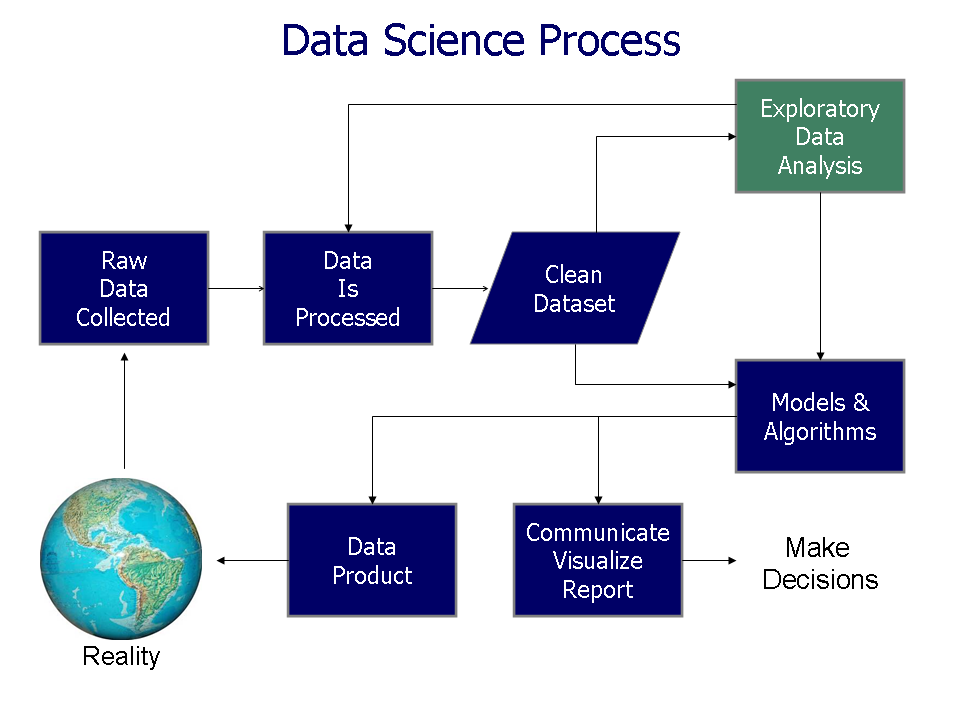
The process generally involves these key phases:
-
Problem Definition: Before you even look at data, you need to know what you're trying to solve. This involves asking clear, specific questions that will guide your analysis.
-
Data Collection: Once you have a question, you need to gather the relevant data. This could come from internal databases, surveys, or public sources.
-
Data Preparation: Raw data is often messy. This phase involves cleaning the data to handle errors, missing values, and inconsistencies, making it suitable for analysis.
-
Analysis: This is where you apply one of the four types of analysis. You'll use statistical tools and other techniques to explore the data, find patterns, and build models.
-
Interpretation & Communication: The final step is to interpret your findings and communicate them to others. This often involves creating charts and reports to tell a clear story with your data, leading to a decision or action.
Ready to check your understanding? This quiz will cover the fundamental concepts of data analysis we've just discussed.
What is the primary goal of data analysis?
A retail company notices a significant drop in sales for a specific product last quarter. To understand the reasons behind this drop, which type of analysis should they primarily conduct?
Understanding these core ideas—what data analysis is, its different types, and the general process—provides a solid foundation for any data-related work.