Foundations of Data Analysis
Introduction to Data Analysis
What Is Data Analysis?
Data analysis is the process of inspecting, cleaning, transforming, and modeling data to discover useful information, inform conclusions, and support decision-making. Think of it as detective work. You have clues (data), and your job is to piece them together to solve a mystery or answer a question.
Every time you make a decision based on past experience, you're performing a simple kind of data analysis. Businesses, scientists, and governments do the same thing, but on a much larger scale. They use data to understand what's working, what isn't, and what they should do next. It’s the engine that powers informed choices in almost every field, from medicine to marketing.
Data analysis is a crucial skill in today’s data-driven world, enabling professionals to make informed decisions based on statistical evidence.
The Four Main Types
Data analysis isn't a single activity. It's a spectrum of techniques, each answering a different kind of question. We can group these techniques into four main types.
Descriptive Analysis tells you what happened. This is the most common type of analysis and serves as the foundation for the others. It summarizes raw data into something understandable. For example, a retail store might use descriptive analysis to calculate its total sales for the month or identify its best-selling product.
A fitness app uses descriptive analysis to show you a summary of your workouts for the week: total distance run, average pace, and calories burned. It describes your past activity.
Diagnostic Analysis digs deeper to figure out why something happened. After you know what happened, the next logical question is why. This type of analysis involves looking for causes and relationships.
If the retail store's sales were unusually high last month (the what), diagnostic analysis might reveal it was due to a successful marketing campaign or a holiday promotion (the why).
Your fitness app notices your average pace was slower this week. Diagnostic analysis might correlate this with data showing you got less sleep or that the weather was hotter than usual.
Predictive Analysis focuses on what will happen in the future. It uses historical data, statistical algorithms, and machine learning techniques to predict future outcomes. This is where forecasting comes into play.
The retail store could use predictive analysis to forecast how much of a certain product they are likely to sell next season, helping them manage inventory and avoid stockouts.
Based on your training history and recent performance, the fitness app predicts your finish time for an upcoming 10k race. It's making an educated guess about a future event.
Exploratory Analysis is about investigating data without a specific question. The goal is to explore the data to find previously unknown patterns, relationships, or anomalies. It’s like wandering through a new city just to see what you might find.
A company might use exploratory analysis on customer feedback and discover that customers who buy product A are also highly likely to buy product C. This insight could lead to a new product bundle or marketing strategy.
Real-World Applications
These four types of analysis are used everywhere, often in combination.
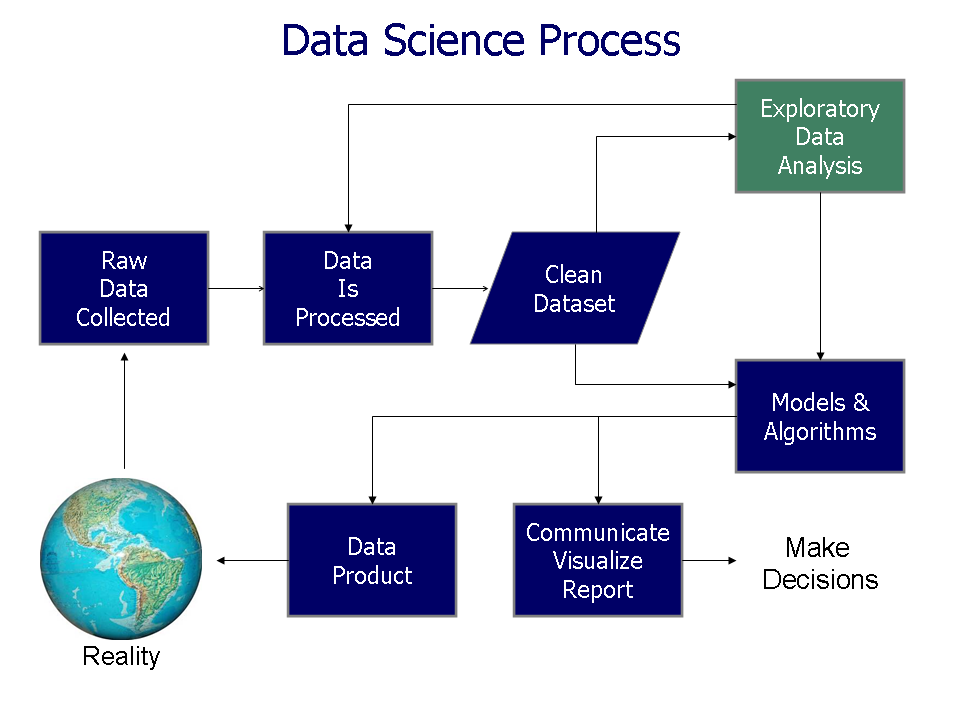
In healthcare, doctors use diagnostic analysis to understand a patient's symptoms and arrive at a diagnosis. Public health officials use predictive analysis to forecast the spread of diseases like the flu, allowing hospitals to prepare for an increase in patients.
Streaming services like Netflix use descriptive analysis to see which shows are being watched the most. They use predictive analysis to recommend shows you might like based on your viewing history, and exploratory analysis to identify new genres that might be popular with a certain audience.
Understanding these fundamental concepts is the first step. By learning to ask the right questions—what happened, why, what will happen, and what else is here—you can begin to unlock the stories hidden within data.
A retail company analyzes its sales data from the past quarter to determine its best-selling product. Which type of data analysis is this?
After a successful quarter, a marketing team wants to understand why a particular ad campaign led to a surge in website traffic. This investigation is an example of which type of analysis?