Foundations of Cybersecurity
Introduction to Cybersecurity
What Is Cybersecurity?
Cybersecurity is the practice of protecting computers, networks, and data from digital attacks, damage, or unauthorized access. Think of it as digital self-defense. In our connected world, we rely on technology for almost everything, from banking and communication to healthcare and transportation. This reliance makes our information valuable, and therefore, a target.
At its core, cybersecurity aims to protect the Confidentiality, Integrity, and Availability of information, a concept often referred to as the CIA Triad.
The threats are always changing. Attackers constantly develop new methods, which means the field of cybersecurity must evolve just as quickly. Protecting our digital lives isn't a one-time fix; it's an ongoing process of staying vigilant and prepared.
The Core Principles
To understand how to protect information, we first need to agree on what
protection means. In cybersecurity, it boils down to three core principles known as the CIA Triad. These three ideas form the foundation of any security strategy.
Confidentiality
noun
Ensuring that information is not disclosed to unauthorized individuals, entities, or processes. It's about keeping secrets.
Think of confidentiality like a sealed envelope. Only the intended recipient should be able to open it and read the contents. In the digital world, this means preventing unauthorized access to your private files, emails, or financial information.
Integrity
noun
Maintaining the consistency, accuracy, and trustworthiness of data over its entire lifecycle. Data must not be changed in transit or altered by unauthorized people.
Integrity is about trust. You need to be sure that the information you're seeing is the same as what was originally sent or stored. If someone intercepts an email and changes its content before it reaches you, the email's integrity has been compromised.
Availability
noun
Ensuring that information is accessible and usable upon demand by an authorized person.
Information is only useful if you can get to it when you need it. Availability means that systems, networks, and data are up and running for legitimate users. If a website crashes or a server goes down, that service is no longer available.
These three principles are often in a delicate balance. Increasing one can sometimes decrease another. For instance, extremely tight confidentiality controls might make a system harder to access, affecting its availability.
The Cybersecurity Landscape
Cybersecurity isn't just one single topic; it's a broad field with many specialized areas, often called domains. Each domain focuses on protecting a different aspect of the digital world. While you don't need to be an expert in all of them, it's helpful to know they exist.
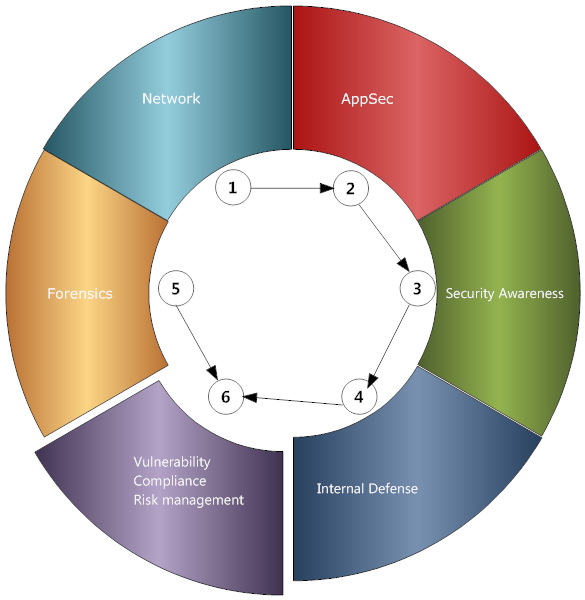
Here are a few of the major domains within cybersecurity:
| Domain | Focus |
|---|---|
| Network Security | Securing computer networks from intruders, whether targeted attackers or opportunistic malware. |
| Application Security | Protecting software and devices from threats. A compromised application could provide access to the data it's designed to protect. |
| Information Security | Protecting the integrity and privacy of data, both in storage and in transit. |
| Operational Security | The processes and decisions for handling and protecting data assets. This includes permissions and user access. |
| Cloud Security | Securing data, applications, and infrastructure that are in a cloud environment. |
| Identity Management | Determining who has access to what within an organization. |
Understanding these foundational concepts is the first step toward building a stronger defense against digital threats. The principles of the CIA Triad and an awareness of the different cybersecurity domains provide a map for navigating this complex but crucial field.
Ready to test your knowledge? Let's see what you've learned about the basics of cybersecurity.