Foundations of Crypto Trading
Introduction to Blockchain and Cryptocurrencies
The Digital Ledger
Think of a shared notebook that everyone in a group can see. When someone adds a new entry, it's there for good. No one can erase it, and everyone can verify it's the real deal. That's the core idea behind blockchain.
At its most basic, a blockchain is a digital ledger. But unlike a traditional bank's ledger, which is kept in one central place, a blockchain is distributed across many computers. This network of computers works together to maintain and update the record book.
Each new entry, or "block," is cryptographically linked to the one before it, forming a secure chain. This structure is what makes the ledger permanent and tamper-proof.
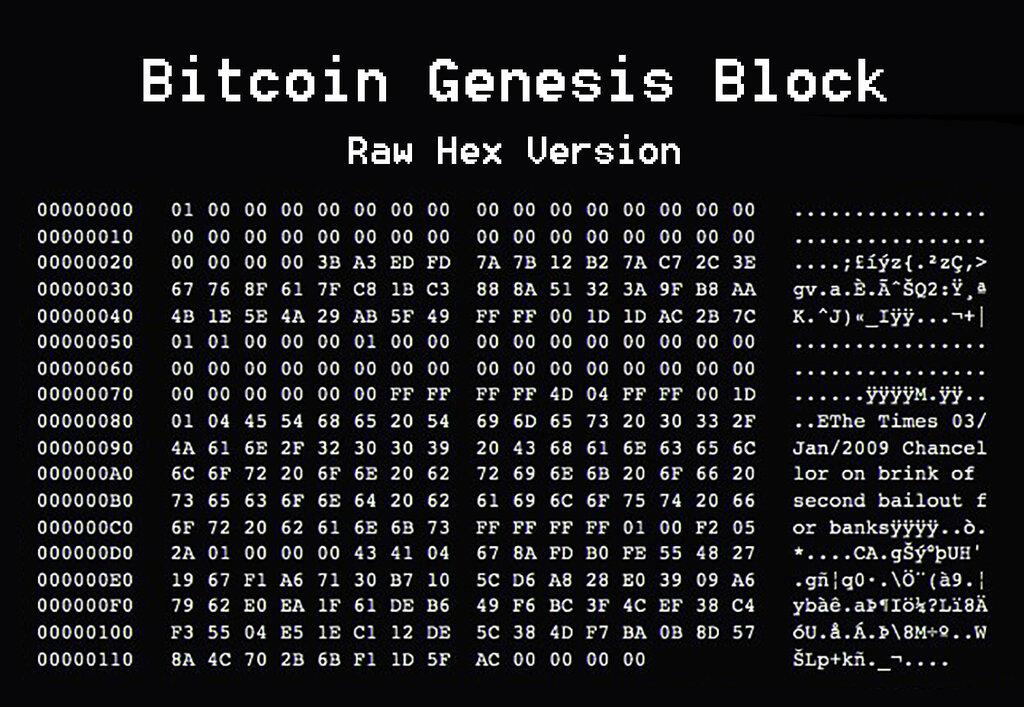
This isn't a new idea from a single person. While the concept of a cryptographically secured chain of blocks was described as early as 1991, it first saw a real-world application in 2009 with the creation of Bitcoin by the pseudonymous Satoshi Nakamoto. This was the birth of the first cryptocurrency.
Why Decentralization Matters
Traditionally, we trust central authorities like banks or governments to manage our money and data. They hold the master copy of the ledger. A decentralized system, like a blockchain, removes the need for this middleman.
Instead of one person or organization being in charge, power is distributed among all the participants in the network. No single entity can control the system, change the rules, or reverse transactions. This creates a system that is resistant to censorship and single points of failure. If one computer in the network goes down, the ledger lives on, securely stored on all the others.
But how does a network of strangers agree on what to add to the ledger? This is solved by something called a consensus mechanism.
Consensus
noun
A general agreement. In blockchain, it's the process by which participants on the network agree on the current state of the ledger.
The most famous consensus mechanism is Proof of Work (PoW), used by Bitcoin. In this system, participants called "miners" compete to solve a complex mathematical puzzle. The first one to solve it gets to add the next block to the chain and is rewarded with cryptocurrency. This process requires significant computational power, which helps secure the network by making it expensive and difficult to attack.
Another popular method is Proof of Stake (PoS). Instead of miners competing with computing power, participants known as "validators" lock up or "stake" their own cryptocurrency for the chance to be chosen to create the next block. If they act dishonestly, they can lose their staked funds. This method is much more energy-efficient than Proof of Work.
Bitcoin and Ethereum
Bitcoin was the pioneer. Its purpose was simple: to be a peer-to-peer electronic cash system. It proved that a decentralized, secure digital currency could exist without any central bank or administrator.
Then came Ethereum. Launched in 2015, Ethereum took the blockchain concept a step further. While it also has its own cryptocurrency, Ether (ETH), the Ethereum network is much more than just a payment system. It introduced the idea of smart contracts.
Smart contracts are self-executing contracts with the terms of the agreement directly written into code. They run on the blockchain, so they are stored on the public ledger and cannot be changed.
This innovation opened the door for building decentralized applications (dApps) for all sorts of things, from financial services (DeFi) to games and digital collectibles (NFTs). Think of it this way: if Bitcoin is like a calculator, designed to do one thing well, Ethereum is like a smartphone, a platform where developers can build all kinds of applications.
Understanding these core concepts is the first step. Blockchain provides the secure and transparent foundation, while cryptocurrencies like Bitcoin and Ethereum offer different ways to use this powerful technology.
What is the most fundamental description of a blockchain?
In a Proof of Stake (PoS) system, participants who validate transactions are known as 'validators' and are chosen based on the amount of cryptocurrency they 'stake'.
This foundational technology is what makes the world of digital assets possible.