Foundations of Course Design for New Trainers
Understanding Learners
Who Are You Teaching?
Before you can teach anything effectively, you need to know who you're talking to. Imagine telling a complex physics joke to a room full of poets. It probably wouldn't land. The same principle applies to creating a course. Understanding your audience is the first and most critical step.
Start with the basics: demographics. This includes age, location, professional background, and education level. Are you teaching recent high school graduates or seasoned executives? The language, examples, and even the pace of your course will change dramatically depending on the answer. A 20-year-old university student in Tokyo learns differently and has different motivations than a 55-year-old manager in Toronto seeking a new skill.
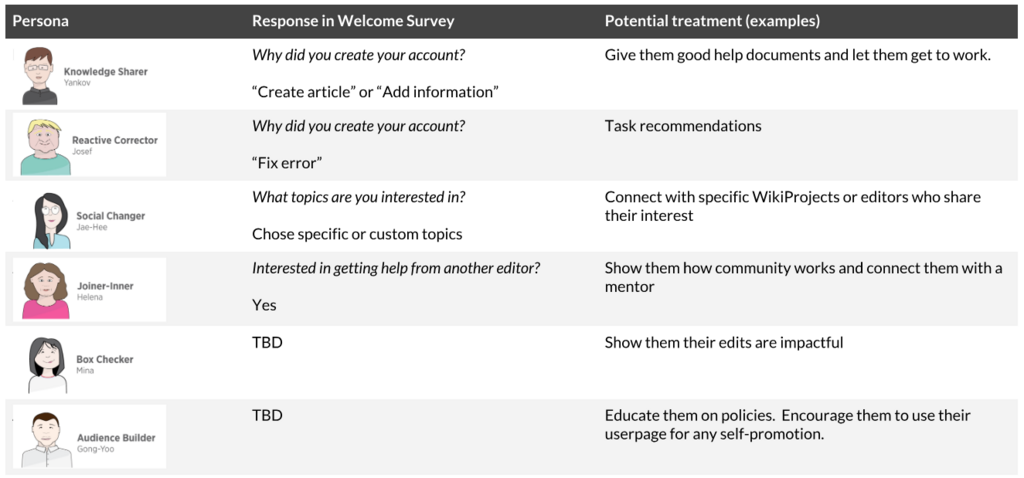
Figure out who your learners are and what their goals are.
Creating learner personas can be a helpful exercise. These are fictional characters based on your target audience's traits. Give them names, jobs, and goals. For example, you might have "Priya," a 30-year-old graphic designer who wants to learn project management to lead her team, or "David," a 62-year-old retiree looking to learn a new language for travel. Thinking about Priya and David helps make the abstract concept of an "audience" concrete and personal.
What Do They Already Know?
Once you have a picture of who your learners are, you need to figure out what they already know about your topic. There’s nothing more frustrating for a student than sitting through a lesson on concepts they've already mastered. It’s equally frustrating to be dropped into a topic without the foundational knowledge needed to understand it.
Assessing prior knowledge helps you find that sweet spot. You can do this in a few ways:
- Surveys: Ask potential learners to rate their own expertise on key topics before the course begins.
- Pre-tests: A short, low-stakes quiz at the beginning can give you a clear baseline of their current skills.
- Informal Questions: If you're teaching live, you can simply ask about their experience with the subject.
The goal is to meet learners where they are, not where you assume they should be.
This assessment doesn't need to be complicated. Even a few simple questions can save you from reteaching the basics or, conversely, skipping over crucial information. It ensures your content is relevant and challenging in the right ways.
How Do They Like to Learn?
People have different preferences for how they absorb information. Some love watching videos, while others prefer to read articles. Some want to jump into hands-on activities, and others need to see a demonstration first. Understanding these preferences helps you create a more engaging and effective course.
A popular framework for thinking about this is the VARK model, which categorizes learning preferences into four types.
| Preference | Description |
|---|---|
| Visual | Prefers seeing information through charts, diagrams, and videos. |
| Auditory | Learns best by listening, through lectures, discussions, and podcasts. |
| Reading/Writing | Likes to interact with text, taking notes and reading detailed explanations. |
| Kinesthetic | Learns by doing, through hands-on activities, simulations, and real-world examples. |
It's important not to oversimplify this. Most people don't fit neatly into one box. The real takeaway is that variety is key. A good course offers multiple ways to engage with the material. Include a video, provide a transcript, create a hands-on exercise, and link to further reading. This approach caters to everyone's preferences and reinforces learning through different modes of engagement.
Considering Culture and Context
Finally, consider the cultural and linguistic backgrounds of your learners. An example or a joke that works perfectly in one culture might be confusing or even inappropriate in another. Idioms and slang are particularly tricky.
For instance, saying something is a "piece of cake" to mean it's easy might not translate for a non-native English speaker. It's best to use clear, simple language and avoid culturally specific references unless you're certain your audience will understand them. If you're creating a course for a global audience, pay special attention to the images and examples you use. Aim for scenarios that are universally relatable or provide a range of examples from different cultural contexts.
Idiom
noun
A group of words established by usage as having a meaning not deducible from those of the individual words.
Language proficiency is another factor. If you're teaching a technical skill, ensure your language isn't an additional barrier to learning. Define key terms and avoid unnecessary jargon. This isn't about "dumbing down" the content; it's about making it accessible.
By taking the time to understand your learners on these different levels, you build a solid foundation. You can create a course that not only imparts knowledge but also resonates with, respects, and empowers your students.
What is the primary benefit of creating a learner persona, such as 'Priya, the 30-year-old graphic designer'?
When designing a course for a global audience, why is it important to avoid culturally specific idioms like 'a piece of cake'?