Foundations of Counseling Theories
Introduction to Counseling Theories
The Four Big Ideas in Counseling
Why do we think, feel, and act the way we do? And how can we change when we feel stuck? Counseling theories are different roadmaps created to answer these questions. Each offers a unique perspective on the human mind and a distinct approach to helping people navigate life's challenges. Think of them as different lenses for viewing the same landscape. None of them is the single “correct” one; instead, they provide a range of tools for understanding and growth. Let's explore the four major schools of thought that have shaped modern therapy.
Psychodynamic Theory
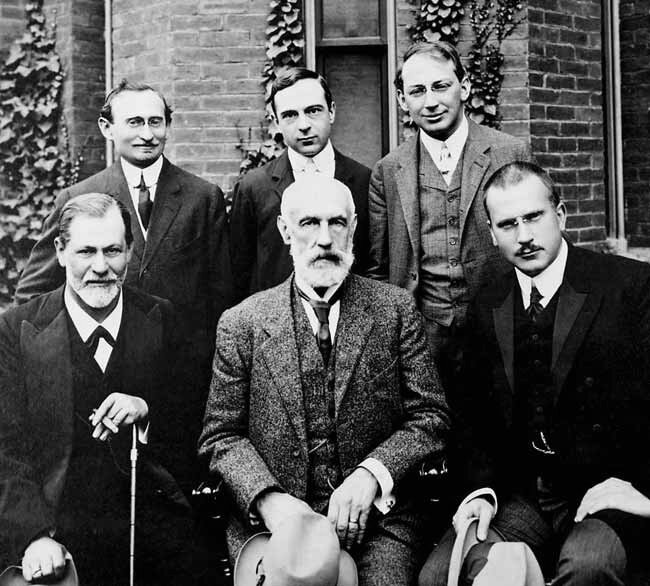
The oldest of the major theories, the psychodynamic approach, began with Sigmund Freud in the late 19th and early 20th centuries. Its central idea is that our present-day problems are often rooted in unresolved conflicts from our past, particularly from early childhood. Freud proposed that much of our mental life happens outside of our awareness, in the unconscious mind.
According to psychodynamic theory, feelings, memories, and desires buried in the unconscious can still influence our current behavior, often in ways we don't understand.
This approach focuses on making the unconscious conscious. By exploring past experiences and emotional patterns, individuals can gain insight into why they repeat certain behaviors or feel certain ways. Key figures who built upon or diverged from Freud's ideas include Carl Jung and Alfred Adler. Jung, for example, expanded the concept of the unconscious to include a collective unconscious shared by all humanity.
Humanistic Theory
Emerging in the mid-20th century as a response to the perceived pessimism of psychodynamic theory, the humanistic approach offers a more optimistic view of human nature. Pioneers like Carl Rogers and Abraham Maslow believed that people are inherently good and have a natural drive to reach their full potential, a concept known as self-actualization.
Unlike psychodynamic theory, humanistic counseling is less focused on the past and more on the present and future. It emphasizes personal growth, free will, and self-discovery. The therapist's role is not to be an expert who interprets your unconscious, but a supportive and empathetic guide who helps you find your own answers. Key concepts include unconditional positive regard, where the therapist accepts the client fully without judgment, and empathy, the ability to understand the client's experience from their point of view.
Cognitive-Behavioral Theory
Cognitive-Behavioral Therapy, or CBT, is a more structured and goal-oriented approach that developed in the 1960s and 70s. Key figures like Aaron Beck and Albert Ellis shifted the focus to the powerful connection between our thoughts, feelings, and behaviors. The foundational idea is that it's not events themselves that upset us, but the way we interpret them.
CBT operates on the principle that our thoughts (cognitions) directly influence our emotions and actions (behaviors). For instance, if you believe you will fail a test, you might feel anxious, which could lead you to avoid studying. This creates a self-fulfilling prophecy. CBT helps people identify unhelpful or inaccurate thought patterns and develop more balanced ways of thinking. This, in turn, leads to healthier emotional responses and more effective behaviors. It is a practical, hands-on approach focused on solving problems in the here and now.
Systemic Theory
Systemic theory takes a broader view. Instead of focusing solely on the individual, it sees people as part of interconnected systems, like a family, a couple, or even a workplace. This approach suggests that an individual's problems cannot be fully understood without looking at the dynamics of the groups they belong to. The problem isn't just in the person; it's also in the system.
Pioneers like Murray Bowen and Virginia Satir helped develop this perspective. A core concept is that systems, especially families, have their own rules, roles, and communication patterns. Sometimes these patterns become dysfunctional. A child's rebellious behavior, for example, might be a symptom of unspoken tension between their parents. Systemic therapy aims to help members of the system understand these dynamics and change their patterns of interaction. The goal is to improve the functioning of the entire system, which then helps the individual within it.
According to psychodynamic theory, what is considered the primary source of a person's present-day problems?
A client tells their therapist, "I'm a complete failure because I didn't get the promotion." A therapist using a Cognitive-Behavioral (CBT) approach would most likely focus on which aspect of this statement?
These four major theories provide the foundational frameworks for modern counseling. While they have distinct origins and focus on different aspects of the human experience, many therapists today integrate ideas from multiple approaches to best meet their clients' needs.