Foundations of Constitutional Law
Introduction to Constitutional Law
The Rulebook for a Nation
Every country needs a set of fundamental rules that governs how it works. This master plan is called a constitution. It’s the ultimate source of legal authority, laying out the foundation for the government and the rights of its people. Think of it as the instruction manual for running a country.
A constitution is the supreme law of the land. All other laws must comply with it.
Constitutional law is the body of law that comes from this document. It deals with the big questions: Who has the power to make laws? What are the limits of that power? And what fundamental rights can citizens always count on?
A Constitution's Core Jobs
A constitution has several critical functions. First, it establishes the structure of the government. Most modern constitutions divide the government into distinct branches, each with its own responsibilities. This separation of powers prevents any single group from gaining absolute control.
Second, a constitution limits government power. It sets boundaries that officials cannot cross, ensuring they remain accountable to the people. This is the heart of the 'rule of law'—the idea that everyone, including the government, is subject to the law.
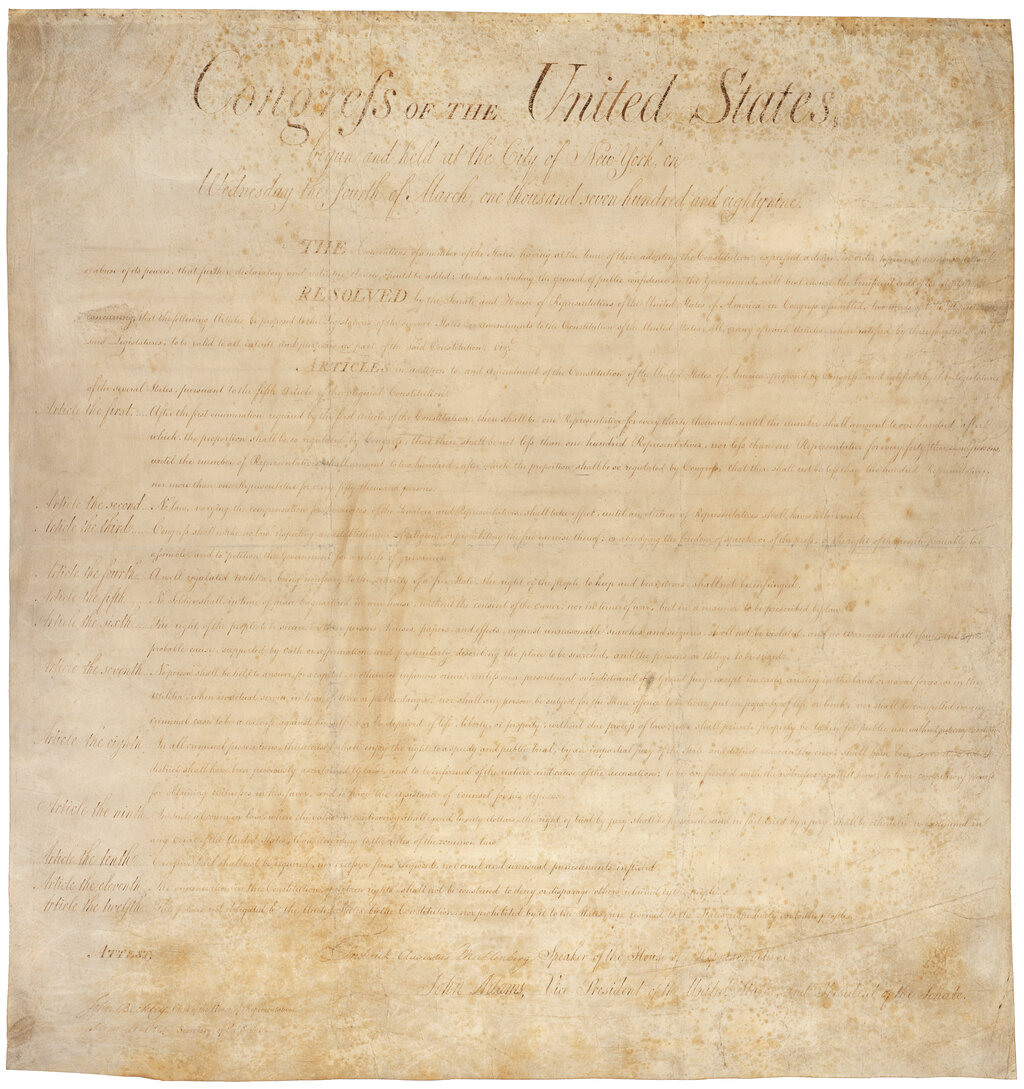
Finally, and perhaps most importantly, a constitution safeguards individual rights. It guarantees essential freedoms, often in a section called a Bill of Rights. These are civil liberties like freedom of speech, religion, and assembly, which the government is forbidden from infringing upon.
Written vs. Unwritten
Constitutions come in two main flavors: written and unwritten.
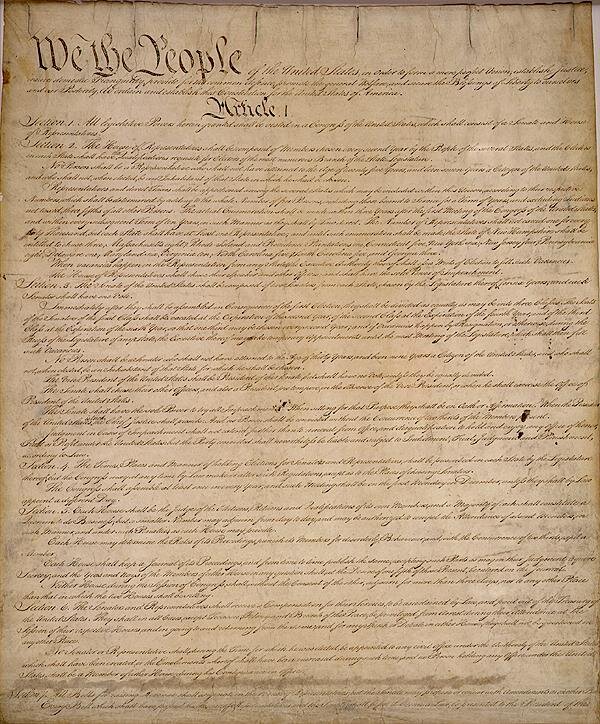
A written constitution is a single, formal document that contains the fundamental laws of the state. It's created at a specific point in time and is often difficult to change. The United States, India, and Germany all have written constitutions.
An unwritten constitution, on the other hand, is not contained in one single document. Instead, it's made up of various sources, including acts of parliament, judicial decisions, and long-standing political conventions. The United Kingdom is the most famous example. Its 'constitution' has evolved over centuries.
| Feature | Written Constitution | Unwritten Constitution |
|---|---|---|
| Form | A single, codified document | Multiple sources (laws, court cases, conventions) |
| Creation | Created at a specific historical moment | Evolved organically over time |
| Amendment | Usually requires a special, difficult process | Can be changed by a simple act of parliament |
| Example | United States | United Kingdom |
Whether written or unwritten, the goal is the same: to provide a stable, predictable framework for governing a nation and protecting its citizens.
What is the primary role of a country's constitution?
The principle that divides governmental responsibilities into distinct branches to prevent any one group from gaining absolute control is known as what?
Constitutional law forms the bedrock of a country's legal system, defining the powers of government and the rights of the people.